+++ Iran-Krieg +++: US-Verteidigungsminister Hegseth wohl bei unangekündigtem Besuch in Israel
UN kürzen Nahrungsmittelhilfe für 700.000 Palästinenser +++ Medien: Iran bestellt deutschen Botschafter ein +++ Saudi-Arabien verschiebt Investorenkonferenz auf 2027 +++ Der Newsblog.
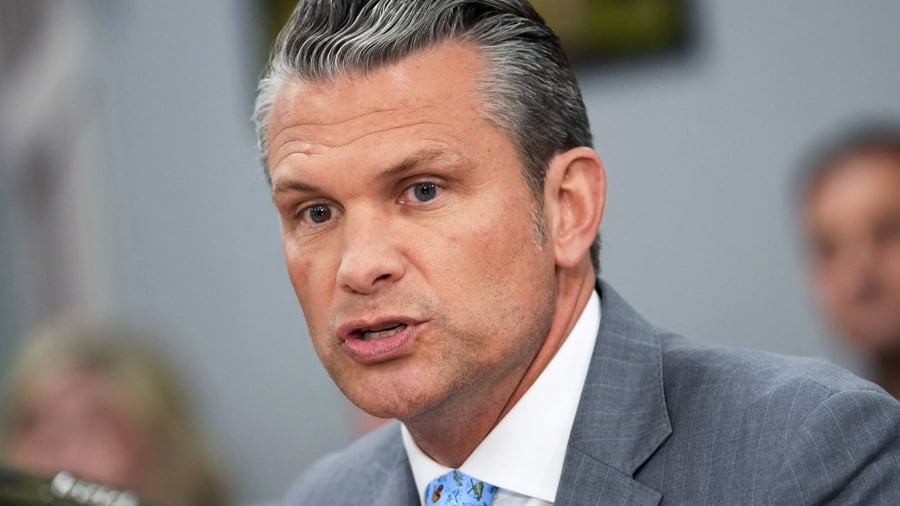
On October 20, 2026, US Secretary of War Pete Hegseth made an unannounced visit to Israel to honor warfighters at CENTCOM. In Gaza, the number of people receiving food aid decreased from 1.6 million to 1.1 million in October, while in the West Bank, the number of beneficiaries halved from 400,000 to 200,000. According to Skau, 1.4 million people in Gaza continue to face acute hunger or worse food insecurity.
Iranian media reports suggested that the German ambassador was appointed to the Republic's Foreign Ministry over "groundless accusations." Previously, the Iranian representative in Berlin was cited by the foreign office. Assassination attempts on Central Council of Jews Josef Schuster and Deutsch-Israelische Gesellschaft president Volker Beck posed legal consequences, according to the German Ministry on X. An Oberlandesgericht Hamburg convicted two men with connections to Tehran for attempted murder of Schuster and Beck.
Saudi Arabia rescheduled its major investors conference, the Future Investment Initiative (FII), set for October 26-29, to a later date, aiming to attract billions of investments to make its economy less dependent on oil. The conference, unofficially called "Davos in the Desert," is a mandatory event for the global financial elite, with big banks and financial investors expected to attend.
However, Saudi Arabia has faced increased attacks from Iran-backed Houthi rebels in Yemen, targeting military and civilian facilities, including Aramco headquarters and Riyadh's international airport. At least 18 people were killed and hundreds injured in attacks this month. Egypt's parliament postponed a vote on military support for Saudi Arabia against Yemeni Huthi rebels due to lack of information on the mission's objectives, duration, costs, and risks.
The party warned against indefinite military engagement, citing economic concerns and potential dangers to shipping in the Red Sea and Suez Canal. President Abdel Fattah al-Sisi promised Egypt would take necessary measures to protect its allies in the Gulf, requiring a two-thirds majority and National Defense Council approval under the Egyptian constitution for foreign military deployments.
Written by urgent.news from Handelsblatt's reporting — not their text. Machine-written — may contain errors; check the original before relying on it.