Humanitarian protection and funding cuts
EDITORIAL: The UNHCR warning that nearly 8.3 million forcibly displaced people could lose vital assistance is a harsh reminder that humanitarian crises do not end when the headlines fade. Behind the number are refugees, internally displaced people, and stateless persons whose access to documentation, child protection, shelter, livelihoods and basic security increasingly depend on an international…
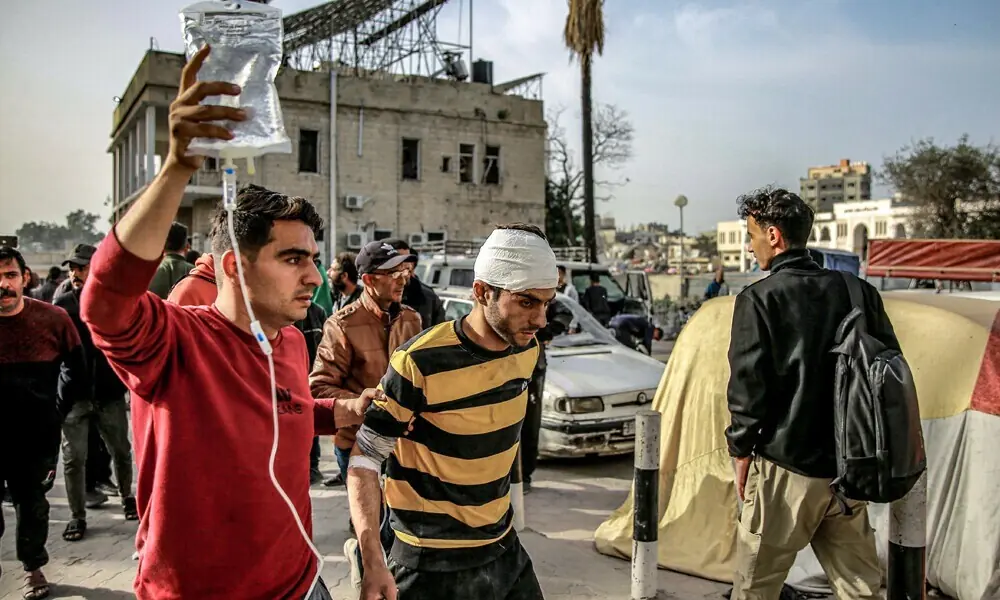
The United Nations High Commissioner for Refugees (UNHCR) has warned that nearly 8.3 million displaced individuals may lose crucial aid, highlighting the precarious state of humanitarian assistance amid financial constraints. The number of people displaced by conflict or persecution has remained alarmingly high, despite a slight decrease from 123.2 million at the end of 2024 to 117.8 million by the end of 2025.
UNHCR's available funding dropped from $5.2 billion in 2024 to $3.9 billion in 2025, yet the organization needs $8.5 billion to address the ongoing crises. As of July, only 32 per cent of the required funds had been secured. This disparity underscores the widening gap between humanitarian needs and the resources at hand.
The ramifications are already evident. In Chad, refugee registration has been delayed, risking the loss of essential identity documents. Ethiopia's child protection efforts have weakened in certain regions, and Sudan's survivors of sexual violence and vulnerable children may soon face a shortage of critical protection services. These services are vital to prevent further exploitation, abuse, trafficking, and violence among displaced populations.
Furthermore, UNHCR's workforce has been reduced by nearly 5,000 employees in 2025, accounting for over a quarter of its staff. This reduction signals the institutional impact of decreased funding. While the agency has implemented reforms and focused on essential activities, the extent of improvement is limited by the available resources.
While global forced displacement has slightly decreased, the remaining 117.8 million individuals remain in dire need of assistance. Humanitarian aid should be regarded as an investment in stability rather than a temporary response. By providing services such as documentation, education, child protection, and economic inclusion, vulnerable groups can be better equipped to withstand challenges and eventually achieve self-sufficiency.
However, abruptly withdrawing such support may exacerbate poverty and insecurity, potentially generating higher costs for host nations and the international community. Donor governments must acknowledge that cuts to refugee aid do not merely diminish the quantity of assistance. Such reductions can dismantle the very systems responsible for delivering protection.
For millions of displaced people, funding decisions hold significant weight. They can dictate whether a child receives protection, whether a refugee possesses legal documentation, and whether a family has the opportunity to rebuild their lives with dignity.
Written by urgent.news from Business Recorder's reporting — not their text. Machine-written — may contain errors; check the original before relying on it.