Europe’s race against the ballot box
As elections approach across the continent, European leaders are rushing to settle the multi-trillion euro budget and European Central Bank leadership before potential changes in government alter the political landscape, says Helen Thomas Europe is racing to settle its future before its voters have their say. Negotiations over its next seven-year budget coincide with manoeuvring [...]
As European elections approach, leaders across the continent are working to finalize crucial financial decisions before any potential shifts in government could alter the political landscape, according to Helen Thomas of Blonde Money. Negotiations over the next seven-year budget and European Central Bank (ECB) leadership are taking place simultaneously, with both decisions shaping how the continent finances its ambitions and responds to financial stress.
The timing of these decisions becomes even more critical as elections alter the governments negotiating the terms.
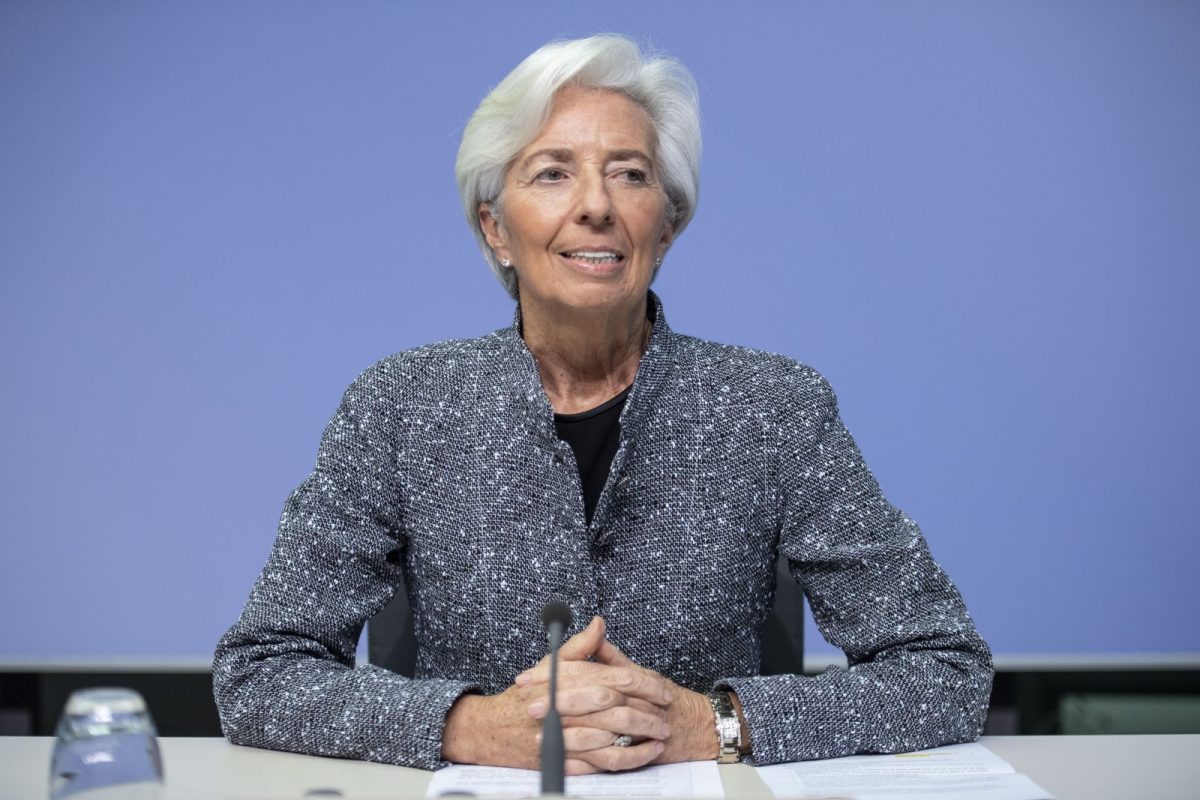
Christine Lagarde could be selected as the next chair of the World Economic Forum as early as November, though her appointment has not been finalized. If she chooses to step down before her term ends in October 2027, Emmanuel Macron could influence her successor before France’s presidential election. Marine Le Pen, the likely winner of the election, would present a challenge for those seeking to preserve the European status quo.
The European Central Bank has always involved political bargaining in its leadership selection. In 1998, France wanted Jean-Claude Trichet to become its first president, while the Netherlands supported Wim Duisenberg. Their compromise appointed Duisenberg for eight years, with anticipation of his early departure and a French successor.
The choreography became more visible in 2011 when Mario Draghi’s appointment left Italy with two members of the ECB’s six-person Executive Board and France with none. Nicolas Sarkozy pressured Lorenzo Bini Smaghi to make room, resulting in Bini Smaghi departing before his term expired and Benoît Cœuré replacing him.
Political selection of ECB leadership does not establish political obedience, but it highlights the consequential role politicians play in decision-making. Elections could soon bring significant changes in Europe's leadership, with Spain voting in November, France electing a president next spring, and Italy and Poland holding elections in 2027.
Germany's Friedrich Merz faces electoral setbacks and may be removed from office, weakening Europe's current leadership and their ability to assume successors will share their priorities or willingness to compromise.
The upcoming budget agreement and ECB leadership appointment are particularly challenging as Europe must begin paying for its last major institutional innovation while financing its next ambitions. The pandemic generated a new kind of funding for Brussels, borrowing to finance a recovery program with repayment through the common budget, creating shared fiscal capacity without forming a permanent fiscal union.
The grants return to governments through EU revenues, national contributions, or spending displaced elsewhere, creating a distributional argument. French President Emmanuel Macron has urged agreement before the end of the year, as the budget requires unanimity, giving a future French president substantial leverage.
For investors, the widening French-German bond spread is testing confidence in France's fiscal trajectory and the institutional response in case of disorderly markets. The ECB must distinguish justified repricing from dangerous fragmentation, requiring expertise, authority, and sufficient political trust to sustain difficult decisions.
While Europe has advanced through crises, such as the sovereign-debt emergency and the pandemic, which expanded its monetary defenses and common borrowing, there is no guarantee that future compromises will be as effortless. Investors should evaluate Europe's resilience by determining whether their bargains can withstand a change of government and whether present leaders can strike them successfully.
Written by urgent.news from City AM's reporting — not their text. Machine-written — may contain errors; check the original before relying on it.