EFTA–Vietnam Free Trade Agreement opens up opportunities to enhance supply chain
The EFTA–Vietnam Free Trade Agreement will open up opportunities for Vietnamese products especially those with supply chains meeting increasingly stringent quality and sustainability requirements in new markets
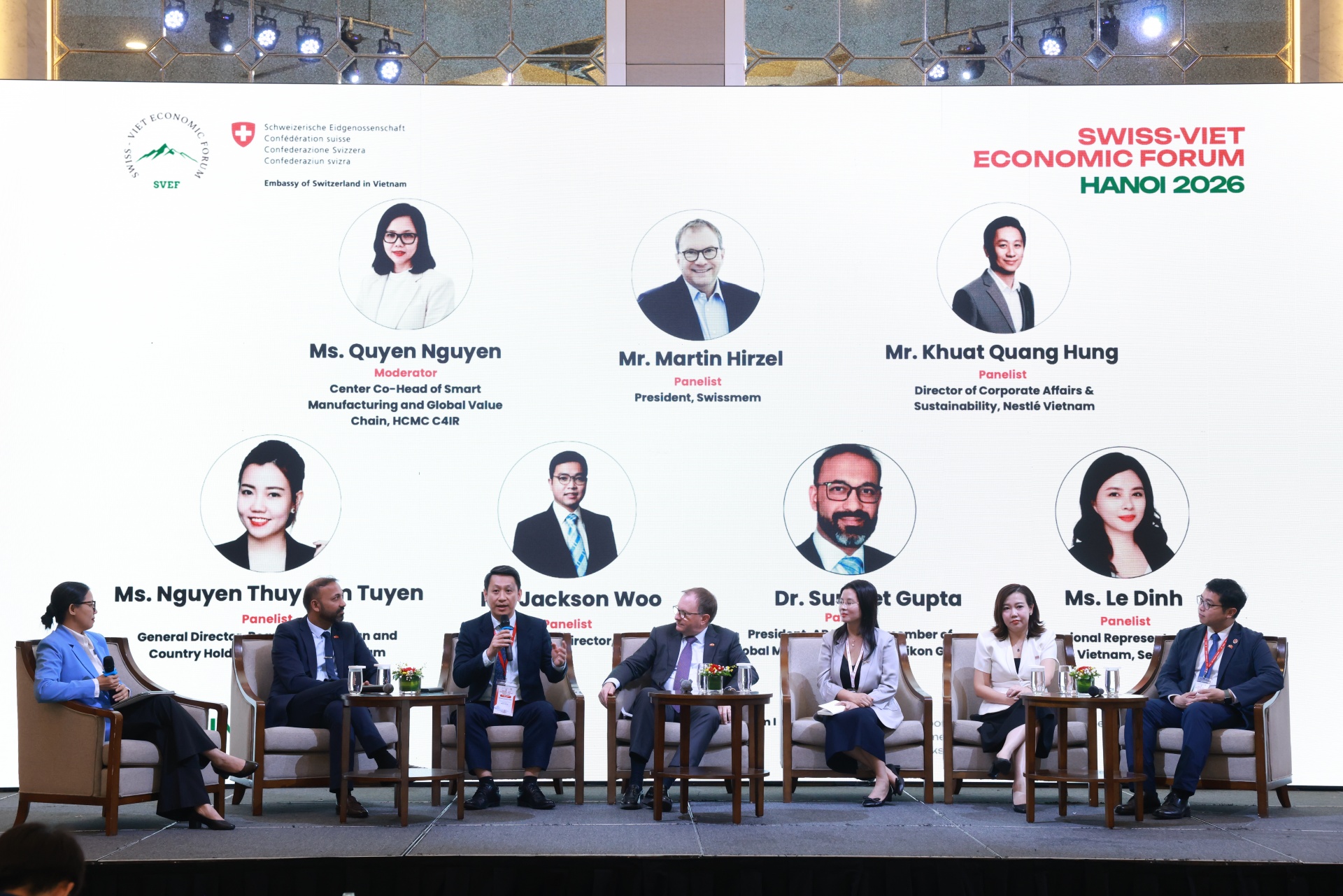
At the Swiss-Vietnam Economic Forum 2026 in Hanoi, Nestlé shared its expertise in fortifying supply chains. The forum coincided with Vietnam and Switzerland's 55-year diplomatic relations and the completion of EFTA–Vietnam free trade negotiations. EFTA includes Switzerland, Norway, Iceland, and Liechtenstein. Bilateral trade between Vietnam and EFTA reached €4.8 billion in 2025.
The EFTA–Vietnam agreement encompasses industrial goods, sustainable development, small and medium-sized enterprises, collaboration, and capacity building.
Nestlé Vietnam deputy general director Khuat Quang Hung discussed industrial transformation and supply chains in a panel. He highlighted the importance of a strong, competitive, and resilient supply chain starting with farmers. Hung emphasized that farmers are crucial in a robust coffee supply chain, especially in addressing soil quality, water resources, traceability, and emissions concerns amid climate change.
He advocated for businesses to transition from conventional purchasing relationships to long-term partnerships with farmers to boost yields, reduce costs, and promote sustainable practices. This approach would increase productivity, improve income, lessen environmental impacts, and stimulate small- and medium-sized enterprises in the supply chain.
Since 2011, Nestlé's Nescafé Plan has benefited over 23,000 farming households and conducted more than 492,000 training sessions on sustainable coffee production under the 4C standard. The program supports high-yield coffee varieties resistant to drought and pests, promotes water-saving irrigation, limits chemical fertilizer usage, and encourages regenerative agriculture.
These actions have enabled farmers to lower costs, enhance incomes, and better comply with export requirements. Nestlé Vietnam believes a sustainable value chain must be built on trust for joint investment and problem-solving, capability to meet stringent standards, and a long-term commitment to partnerships, capacity development, and supplier support.
Hung suggested that Swiss and Vietnamese businesses combining their strengths—technology, expertise, quality standards, international experience, and local knowledge—can create more competitive and sustainable value chains in the future.
Written by urgent.news from Vietnam Investment Review's reporting — not their text. Machine-written — may contain errors; check the original before relying on it.