Early-life pain led to lasting social deficits in mice, and brain stimulation reversed them
Early-life pain may leave a lasting mark on social behavior by tipping the balance between excitation and inhibition in the brain. In mice, restoring that balance, including with deep brain stimulation, reversed the resulting social deficits.
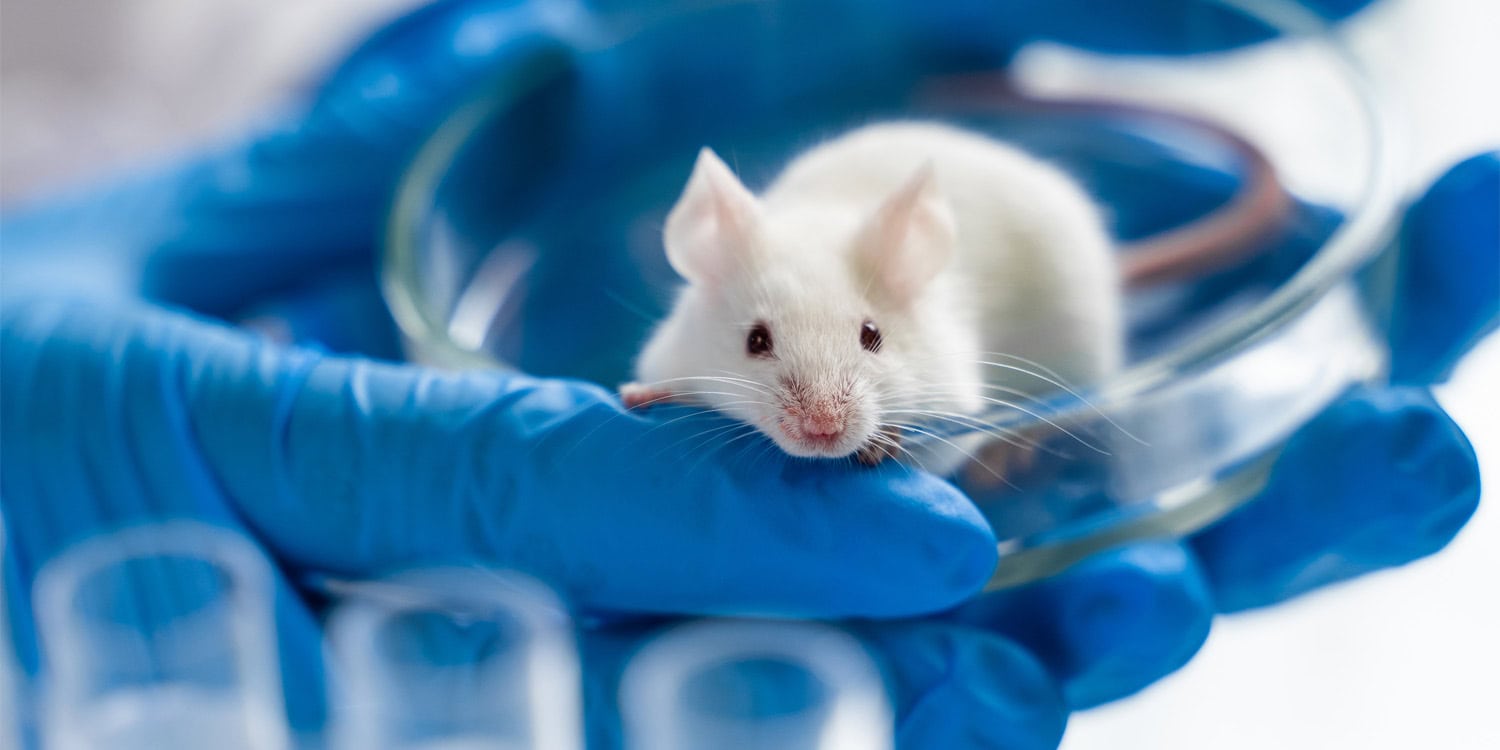
A recent study with mice suggests that early-life pain may lead to lasting social issues, but deep brain stimulation could potentially reverse these effects. Researchers observed that pain experienced during early development, particularly in the anterior cingulate cortex, disrupted the balance between excitatory and inhibitory neurons.
When they enhanced excitatory neurons or reduced inhibitory neurons, or applied deep brain stimulation, they found that the social deficits in mice were reversed. This research, published in Translational Psychiatry, highlights the importance of considering early-life experiences when examining the development of complex social behaviors and the potential therapeutic applications of deep brain stimulation.
Written by urgent.news from PsyPost's reporting — not their text. Machine-written — may contain errors; check the original before relying on it.