Designing a Claim-Validation Workflow for AI-Generated Customer Emails
AI-generated emails can contain unsupported claims. Learn five checks for verifying evidence, audiences, approvals, and final content before sending.
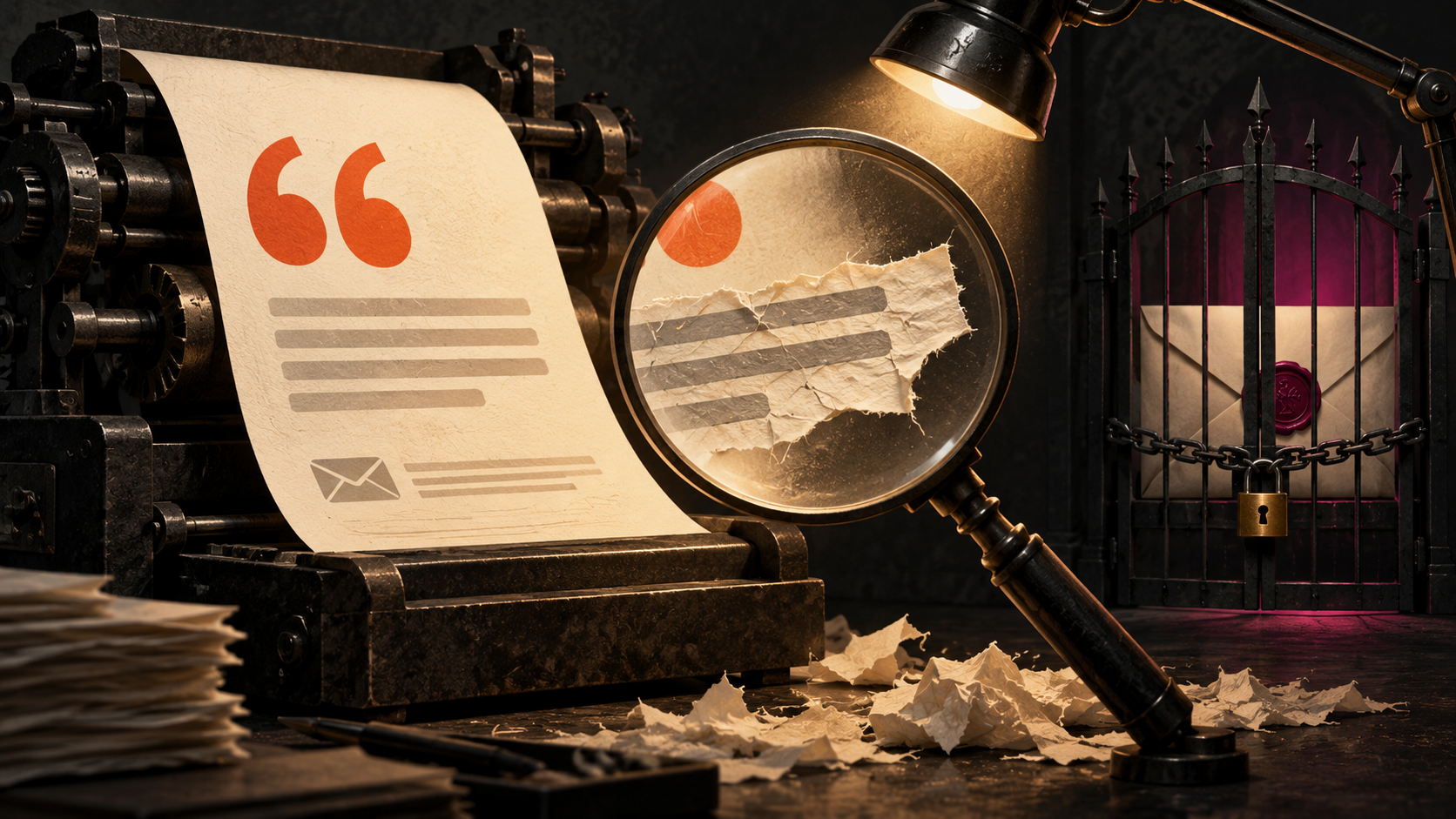
Designing a Claim-Validation Workflow for AI-Generated Customer Emails involves implementing a five-step Claim-to-Send Gate to ensure that all material statements in an email are substantiated with appropriate evidence before reaching the recipient. This gate addresses concerns about AI-generated content by focusing on the sender's ability to verify every claim in the final, customer-visible version.
The process begins with identifying claims within the email text, distinguishing them from style-focused wording. Each claim must be supported by a reliable source, such as current documentation, meeting notes, or customer success stories, depending on the claim's nature. Unsupported claims should be either revised or removed to maintain clarity and accuracy.
Next, the evidence supporting each claim is matched with the exact wording used in the email. Sources must be current and specific enough to validate the claim, whether it relates to product capabilities, customer-specific information, or general product features. For automated emails with merge tokens, previews should be conducted using real edge cases to ensure accuracy.
The audience for the email must also be verified to ensure that the claim is appropriate for the recipient's identity, segment, subscription status, and any personalized details. This step involves checking configuration settings and ensuring that the email content aligns with the recipient's expectations and needs.
Once claims are verified and evidence is matched, the message is approved by the appropriate owner, who is responsible for the final words and potential consequences of the email. This approval process includes a final review of the body, links, recipients, timing, and automation settings to ensure everything is correct before sending.
The Claim-to-Send Gate serves as a decision record, streamlining the review process for emails with no material claims while ensuring stricter checks for those that promise outcomes or reference confidential customer information. By breaking down the review into these structured steps, teams can maintain the quality and trustworthiness of their communications, even when using AI-assisted content generation.
Written by urgent.news from HackerNoon's reporting — not their text. Machine-written — may contain errors; check the original before relying on it.