Dell sees company knowledge, not AI models, as its competitive edge
As AI agents take on more work that people used to do, enterprises need an AI operating model to match. That means changing how people, processes and work are organized, not just which tools get deployed. Dell Technologies Inc. has spent close to two years running fully autonomous agents inside its own business, and those […] The post Dell sees company knowledge, not AI models, as its competitive…
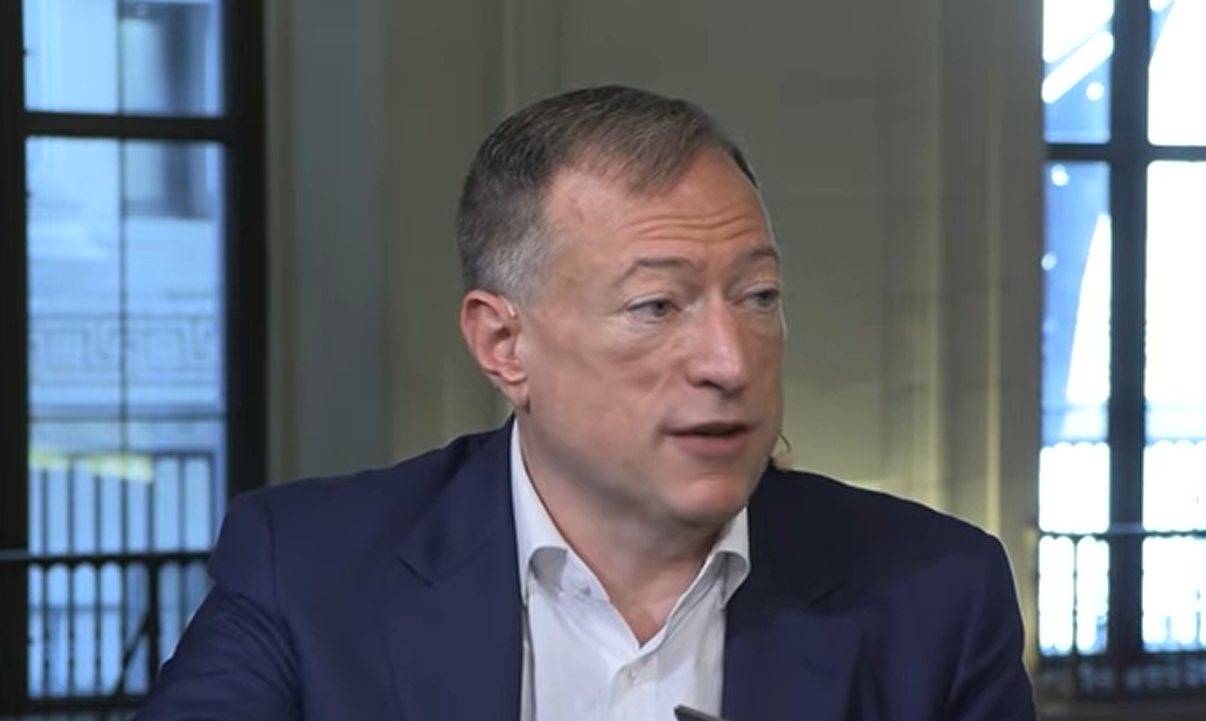
Dell Technologies recognizes that its competitive advantage lies in its unique company knowledge, rather than solely in AI models, as highlighted by John Roese, the global chief technology officer and chief AI officer of the company. Over the past two years, Dell has been experimenting with fully autonomous agents within its own business, and these insights are informing its advice to customers.
Roese emphasized that merely deploying AI tools without altering the underlying operating model will yield minimal results. He explained that implementing AI agents entails reorganizing how people, processes, and work are structured, as the technology merely redistributes tasks between humans and machines. Roese cautioned that companies adopting AI agents without adjusting their operating models will experience a lackluster outcome, as they'll be running their businesses as they did before AI integration, but with a digital twist.
He pointed out that AI agents necessitate a fundamental shift in organizational structure, as they redistribute work between humans and machines. Dell's approach to AI begins with capturing its proprietary knowledge, achieved through subject matter experts encoding the company's practices into machine-readable skill files. These skill files, stored as Markdown text, contain valuable insider knowledge that differentiates Dell from its competitors.
Roese stressed that incorporating this unique knowledge into AI agents enhances their performance by enabling them to operate with the company's specific biases, rules, and digital skills. Furthermore, Roese emphasized the importance of safeguarding this distinctive knowledge, warning against outsourcing it to third parties. By keeping this knowledge in-house, Dell can protect its moat from competitors, even when utilizing frontier or open models.
Written by urgent.news from SiliconANGLE's reporting — not their text. Machine-written — may contain errors; check the original before relying on it.