Could food banks keep Malaysia’s wild elephants out of trouble?
Perak is exploring dedicated feeding areas to reduce encounters between these giants and farmers, drawing inspiration from an existing conservation initiative in Johor.
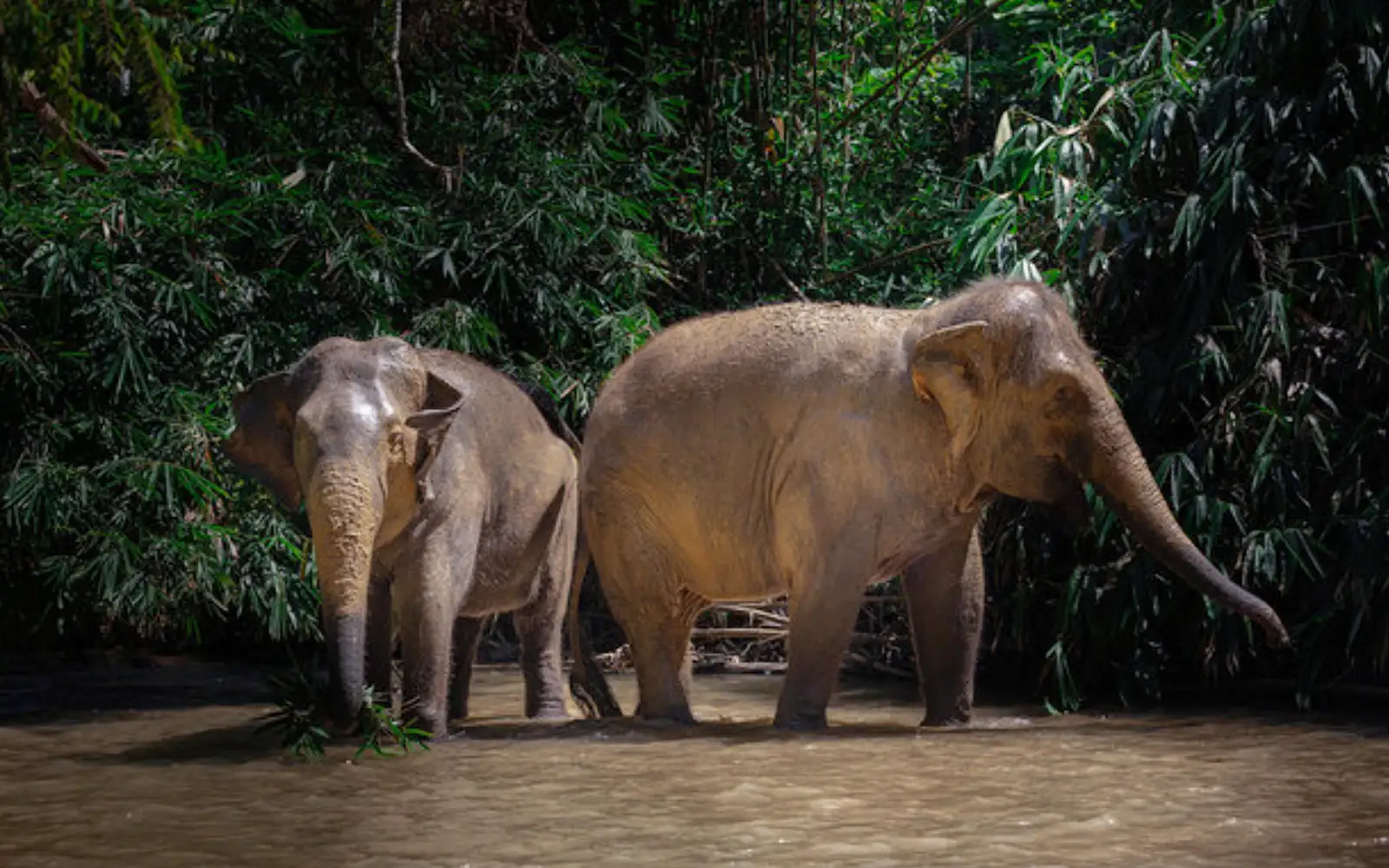
Malaysia's expanding agricultural activities and fragmented forests have led to an increase in human-elephant conflicts, placing pressure on the nation's wildlife conservation efforts. As wild elephants search for food in agricultural areas, farmers suffer extensive crop damage and financial losses, while elephants face risks to their safety and well-being.
To address this issue, the Perak government is considering the establishment of dedicated elephant feeding areas and buffer zones near natural habitats, aiming to discourage elephants from entering farms and residential regions.
Elephant food banks, a concept that might initially seem unconventional, could provide a practical solution to these complex challenges. Instead of conventional food distribution centers, these areas would be planted with vegetation that elephants naturally consume, such as banana plants and Napier grass. By creating supplementary feeding grounds within designated habitats, elephants would be less likely to venture into agricultural land, thus minimizing property damage and potential dangers to both humans and wildlife.
The effectiveness of such food banks will hinge on careful planning and long-term monitoring, particularly due to the vast distances elephants may traverse while searching for sustenance. Poorly situated feeding sites could unintentionally concentrate elephants near agricultural boundaries or disrupt their natural movement patterns, thereby exacerbating the problem rather than resolving it.
Conservation strategies must, therefore, consider the relationship between food availability, habitat connectivity, and elephant behavior alongside practical measures like barriers and protected movement corridors.
While elephant food banks cannot replace the need for broader habitat protection, they may serve as a valuable complementary measure within a more comprehensive approach to managing human-wildlife conflict in Malaysia.
Written by urgent.news from Free Malaysia Today's reporting — not their text. Machine-written — may contain errors; check the original before relying on it.
Also reported by 1 other outlet
- Could food banks keep Malaysia’s wild elephants out of trouble? freemalaysiatoday.com