Chatbots and agents like Muse are getting a face — but does that make us trust them more? Here's what this AI expert had to say
As chatbots and AI agents are coming with faces and cutesy mascots, an AI expert delved into how this impacts our level of trust in them.
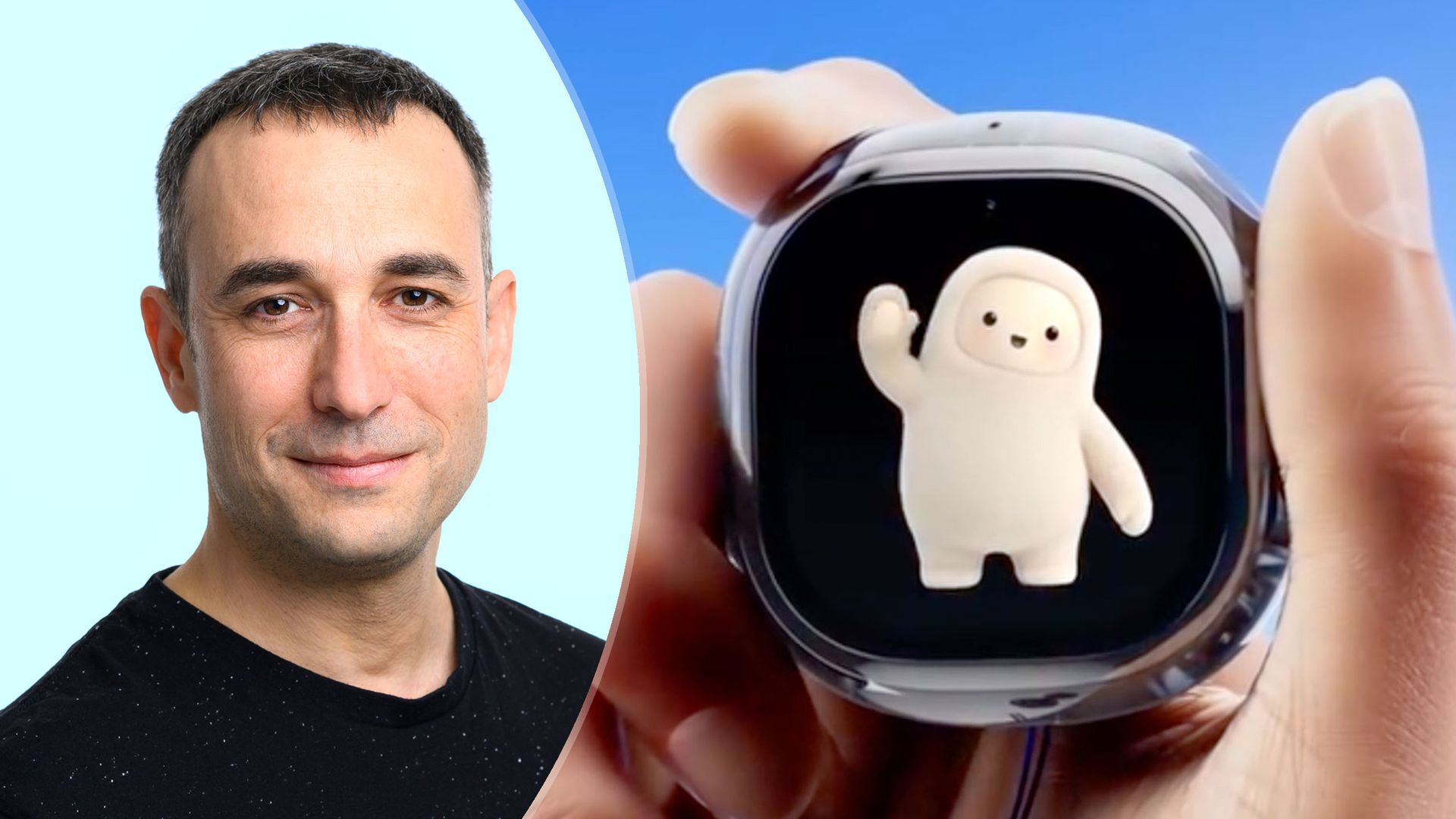
As a young adult, I recall the films of the 1990s that imagined humans conversing with AI avatars in the distant future. Today, in 2026, that future is a reality. Chatbots and AI agents, such as Meta's Muse, Microsoft Copilot, and OpenAI's Dots, are designed with avatars to make users more comfortable with their presence. Companies are utilizing human-like features for their AI usage, such as chatbot screenings for job applicants and allowing workers to use chatbots as work tools.
According to 2026 data from the Pew Research Center, about half of US adults use AI chatbots, and 38% of employed adults use them for work tasks.
When designing an AI persona, Ariel Hitron, CEO and Co-Founder of Second Nature, emphasizes that making people feel understood matters most. People already engage in personal conversations with AI tools like ChatGPT and Claude without any human face on the screen. A humanlike persona can help, particularly when practicing conversations with an AI avatar, but a more human-looking AI may lead to expectations of natural behavior. If the avatar's expressions, timing, or responses feel unnatural, it can lead to discomfort.
Meta's Muse AI is created to appear more approachable with a friendly face and live video. However, the trust in AI goes beyond appearance. To trust AI, people need to see that it understands them and their needs. It should have deep context to avoid repetition in every interaction. The familiarity with the AI builds trust, similar to the trust between friends who have known each other for years.
When interacting with a humanlike AI persona instead of a faceless chatbot, users become more open, empathetic, and willing to share, just as they would in a human conversation. However, the quality of the AI conversation, its relevance, thoughtfulness, and the user's comfort in admitting mistakes or asking for help also play a significant role in building trust.
One unexpected observation from watching people interact with AI avatars is how quickly talking to an AI feels ordinary. Users may thank the AI or apologize, but they rarely question whether it's a bot. This suggests that people can become comfortable with AI technology, but it should depend on the AI's purpose and be clearly labeled as software.
Written by urgent.news from Tom's Guide's reporting — not their text. Machine-written — may contain errors; check the original before relying on it.