Cambodia, Thailand agree to resolve US$300bil Gulf of Thailand dispute
THE HAGUE: Cambodia and Thailand have agreed to work towards resolving their dispute over a swathe of the Gulf of Thailand with undersea energy reserves worth US$300 billion, international mediators said on Monday.
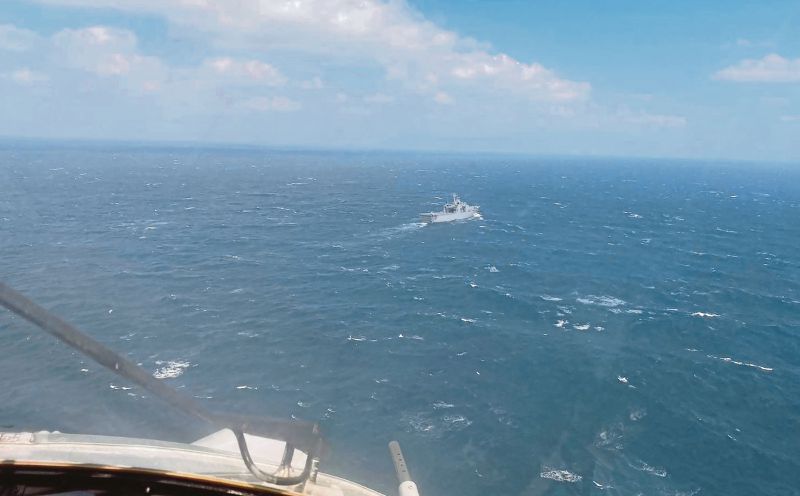
Thailand and Cambodia have concluded an agreement to ease tensions and utilize a hotline between their navy commanders to prevent conflicts over a substantial, energy-rich region in the Gulf of Thailand. The nations have also disputed their 800km land border for years, resulting in clashes that caused casualties and halted trade worth billions of dollars.
A ceasefire agreed in December maintains along the frontier, but relations between Bangkok and Phnom Penh have plummeted to a low point, with both accusing the other of targeting civilians and violating the truce.
This escalated competition over the Gulf seabed, which holds vast oil and gas reserves estimated at $300 billion, prompted Cambodia to request mediation through the United Nations Convention on the Law of the Sea's conciliation commission. This request was made following Thailand's discontinuation of a bilateral channel governing the claims in May. The conciliation commission, hosted in Singapore, began the mediation process last month over the disputed 27,000 sq km of sea.
During the second round of talks at the Permanent Court of Arbitration (PCA) in The Hague, both sides demonstrated goodwill towards resolving the dispute peacefully. They agreed to confidence-building measures, which include refraining from public statements that could strain relations or hinder the conciliation process. The PCA also mandated both parties to exercise restraint in communications that might create tension or mislead the public.
Additionally, the commanders of both navies will employ a hotline for immediate notification and management of maritime incidents to avert misunderstandings and tensions that could negatively affect the conciliation proceedings. Following the PCA's first meeting in Singapore in September, foreign ministers from both countries accused each other of aggression and unfair negotiation tactics, marking the second time in the Law of the Sea Convention's history that the conciliation process has been employed.
The first instance, initiated by East Timor against Australia in 2016, took nearly two years to resolve. The conciliation process, chaired by Australian Katrina Cooper, is not legally binding.
Written by urgent.news from South China Morning Post's reporting — not their text. Machine-written — may contain errors; check the original before relying on it.
This story
This is one outlet's version. Read the fullest account.