BEYOND THE GREEN BOOK: Inside South Africa’s revolutionary leap into the digital identity system
We can’t tell you exactly who should get the credit for the progress made in building out Mzansi’s digital public infrastructure future, but it does look like the Government of National Unity is working for us in a big way.
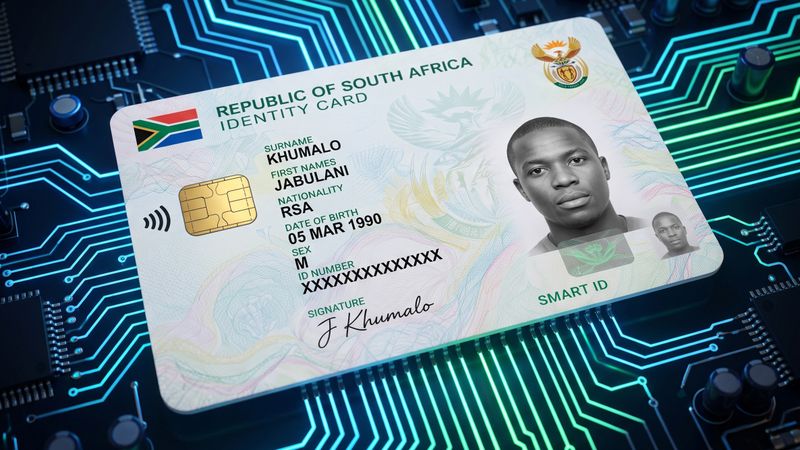
South Africa is undertaking a major digital transformation to modernize its public infrastructure, moving away from its outdated, paper-based systems. This initiative, spearheaded by the Department of Home Affairs, aims to create a secure digital identity framework that will grant citizens digital authentication through their smartphones or partner facilities.
Founder of DIDx, Lohan Spies, shared insights on the collaboration between Estonia and South Africa in building this digital public infrastructure (DPI) system. DIDx, a technology-based business specializing in building Africa's trusted digital identity and payments infrastructure, has been instrumental in developing decentralised identity infrastructure.
Spies emphasized that South Africa's DPI is not a mere replication of Estonia's model, as the two countries differ significantly in terms of societal digital skills proficiency and environmental factors.
The South African government's strategy for 2025-2030 focuses on transitioning from a legacy system to a digital-first organization. The primary objective is to streamline civil registration, national security, and public service delivery through digital means. According to Home Affairs Minister Leon Schreiber, digital IDs will enable instant, paperless processing for various processes, including banking, work visas, and business registrations.
The Department of Home Affairs has unveiled a working prototype of the South African Digital ID. This prototype allows citizens to access their documentation remotely, verify their identity securely, and enhance privacy. The digital ID will replace the traditional Green Book by March 31, 2028. By linking a digitally authenticated population register to an automated biometric identification system, South Africa aims to prevent illicit entries, fraudulent citizenship acquisition, and internal collusion.
Written by urgent.news from Daily Maverick's reporting — not their text. Machine-written — may contain errors; check the original before relying on it.