Ballooning global imbalances risk amplifying messy AI unwind
ORLANDO, Florida: Global imbalances are expanding, with the US trade deficit on one side and outsized Asian surpluses on the other posing growing risks to economies and markets worldwide. AI lies at the heart of it.
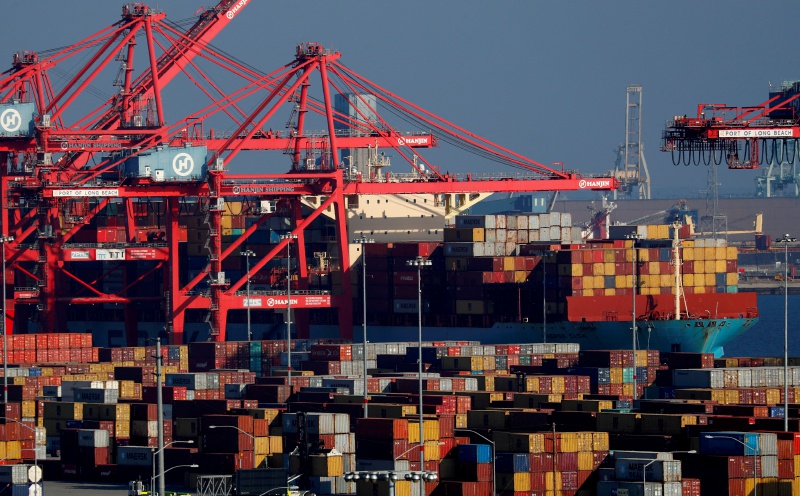
Global trade imbalances are growing more pronounced, with the United States experiencing a trade deficit and Asian nations boasting substantial surpluses. Artificial intelligence (AI) is a key driver behind this trend. In August, the US trade deficit expanded to a record $105.6 billion, driven by a surge in imports, including computer chips, equipment, and materials essential for the AI boom.
A study by the Federal Reserve Bank of Minneapolis found that about 70% of US AI-related capital spending involves imported goods, often sourced from Asian countries like South Korea, Taiwan, and China.
Trade surpluses in Asia have surged, with China's exports increasing by 22% year-over-year. South Korea's exports jumped 83.5% in September, while Taiwan's surplus hit a monthly record of $23.6 billion. Economists estimate that AI-related goods account for nearly two-thirds of China's export boom and a significant portion of South Korea's and Taiwan's surpluses. These surpluses are primarily flowing back into US assets, such as stocks, as overseas investors chase the lucrative AI market.
International institutions warn that such imbalances can distort asset prices and trigger financial bubbles. A disorderly unwind of these imbalances could lead to extreme consequences, including a sharp depreciation of the US dollar, volatility on Wall Street, and a surge in global interest rates. The recent decline of the Philadelphia chip index and the dip of bonds issued for data center construction suggest the potential for a severe market correction.
If IMF chief Kristalina Georgieva is correct, a rapid AI unwind could result in an ugly global market situation.
Written by urgent.news from New Straits Times's reporting — not their text. Machine-written — may contain errors; check the original before relying on it.