Uneven rains may keep price of spices elevated
Southern India is currently grappling with challenges in spice production, primarily due to uneven monsoon patterns and parched soil, which are adversely affecting harvest yields. Despite expanding cultivation areas, turmeric yields are predicted to plummet owing to unfavorable weather. Additionally, delays in red chilli sowing in Andhra Pradesh and Telangana could lead to surging market prices.
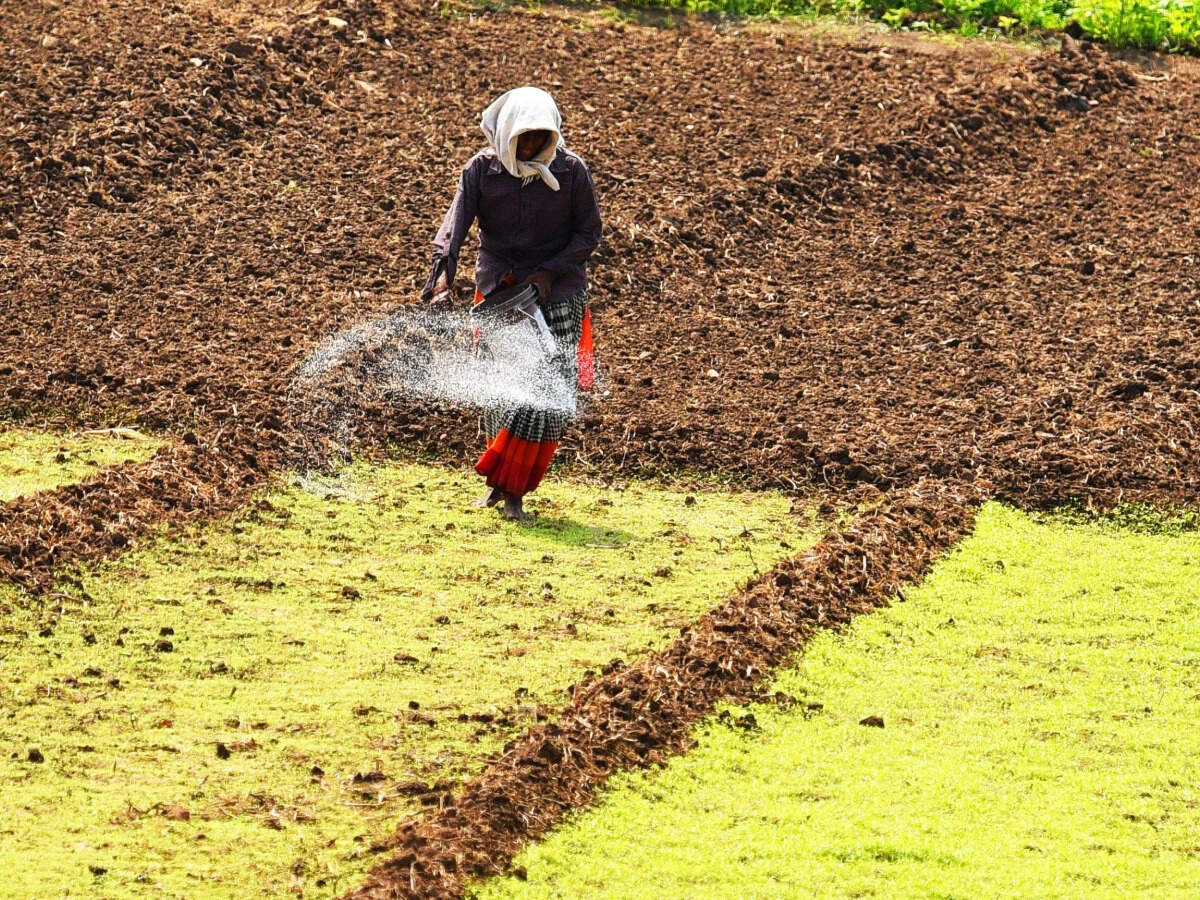
New Delhi: Uneven rainfall and dry soil conditions in southern India are threatening spice production, potentially leading to higher prices in the coming months. Despite more area under cultivation, El Nino is expected to impact yields, particularly in Karnataka, Andhra Pradesh, and Tamil Nadu, according to Sandeep Voddepalli, vice president of BigHaat India.
Carry-over stocks from last year are low, and export demand is anticipated to rise, helping maintain elevated retail prices. Turmeric output is forecast to decline by 10% in 2026-27, even with a 10-15% rise in cultivated area, with the reduction possibly worsening to 20-25% if dry conditions continue. India produces around 75% of the world's turmeric and accounts for over 60% of global trade in it.
Red chilli planting in Andhra Pradesh and Telangana has been delayed by nearly a month due to insufficient rainfall, resulting in a later harvest and sustained price increases. Cumin acreage may decrease due to adverse weather and soil moisture issues, while coriander and celery plantings could rise because of limited carry-over stocks and favorable prices.
Ginger and garlic prices have risen recently, and analysts expect the trend to persist. Food inflation has intensified, with retail food inflation reaching 7.74% in September, up from 5.97% in August, and overall retail inflation increasing to 5.54%. Wholesale prices of turmeric and dry red chillies surged by 23.37% and 35.96% year-on-year in September, respectively, while garlic prices nearly doubled, based on wholesale price data.
Written by urgent.news from The Economic Times - Economy's reporting — not their text. Machine-written — may contain errors; check the original before relying on it.