The Vanishing Shields: Where Did Ghana’s Handwashing Stations Go?
By: Franklin ASARE-DONKOH The United Nations designates October 15 as Global Handwashing Day, and a haunting question echoes through Ghana’s public spaces: Where did all the handwashing stations go? Only a few years ago, at the height of the COVID-19 pandemic, Verona buckets, pedal-operated taps, and brightly coloured plastic sinks were abundant. They stood at […]
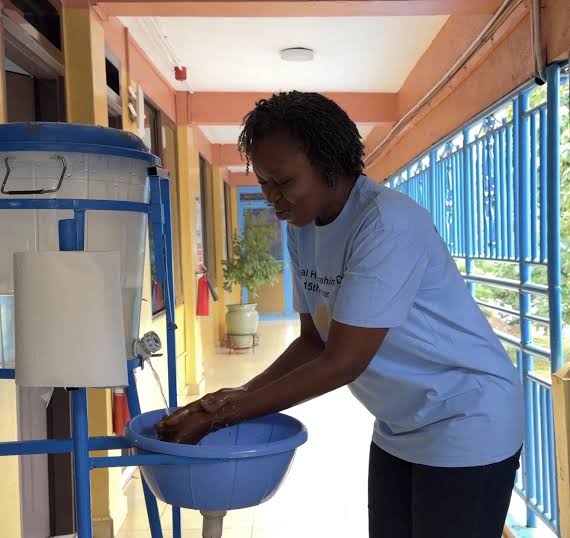
Global Handwashing Day, celebrated annually on October 15, is a stark reminder of a growing crisis in Ghana. A recent investigation by the Ghana WASH Journalists Network (GWJN) has uncovered that handwashing stations, which once proliferated across the country, have vanished, leaving communities particularly vulnerable.
Once ubiquitous, these stations—Verona buckets, pedal-operated taps, and brightly colored plastic sinks—were a beacon of public health, especially during the COVID-19 pandemic. They lined the entrances of schools, markets, and churches, providing essential facilities to prevent the spread of disease. However, the GWJN report reveals that these vital resources have disappeared, leaving a dangerous gap in public health infrastructure.
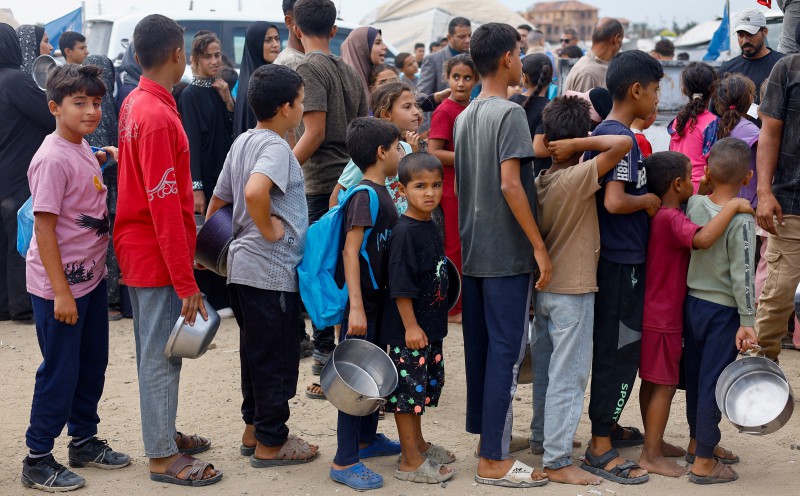
At many public basic schools, the absence of handwashing stations is evident. Children who once followed the assembly routine of washing their hands before eating now rush directly from playtime to the food vendors, their hands visibly dirty. A 12-year-old pupil lamented the loss of this simple yet crucial health practice. The headteachers, speaking anonymously, expressed frustration over the lack of sustainable infrastructure.
They noted that while temporary pandemic-era facilities were provided, there was no budget for maintenance, leading to broken taps and inconsistent water supply. "We were forced to wash our hands before entering the class and before eating," the pupil explained. "Now, the buckets are broken, and there is no water anyway. If you want to wash your hands, you have to buy a sachet of water, and most of us don’t have money for that."
The impact of this disappearance is alarming. Public health experts warn that the lack of handwashing stations in public spaces creates a fertile breeding ground for diseases such as cholera, typhoid, and upper respiratory tract infections. The absence of these facilities, particularly in schools, not only disrupts education but also poses a significant threat to community health. Children are not just carriers of dirt; they become vectors for outbreaks that can devastate entire communities.
The theme for Global Handwashing Day 2026 highlights the importance of clean hands as a fundamental pillar of health. Yet, the findings of the GWJN highlight a significant policy and behavioral relapse in Ghana. Public health officials stress that the absence of these facilities endangers the health of the most vulnerable, especially schoolchildren, and highlights the need for sustainable, long-term solutions to ensure the continued practice of hand hygiene.
Written by urgent.news from GBC Ghana's reporting — not their text. Machine-written — may contain errors; check the original before relying on it.