The Supreme Court is taking on a 158-year-old law that makes distilling spirits at home a federal crime
Home distilling carries up to five years in prison and a $10,000 fine. The justices will review whether the ban is constitutional.
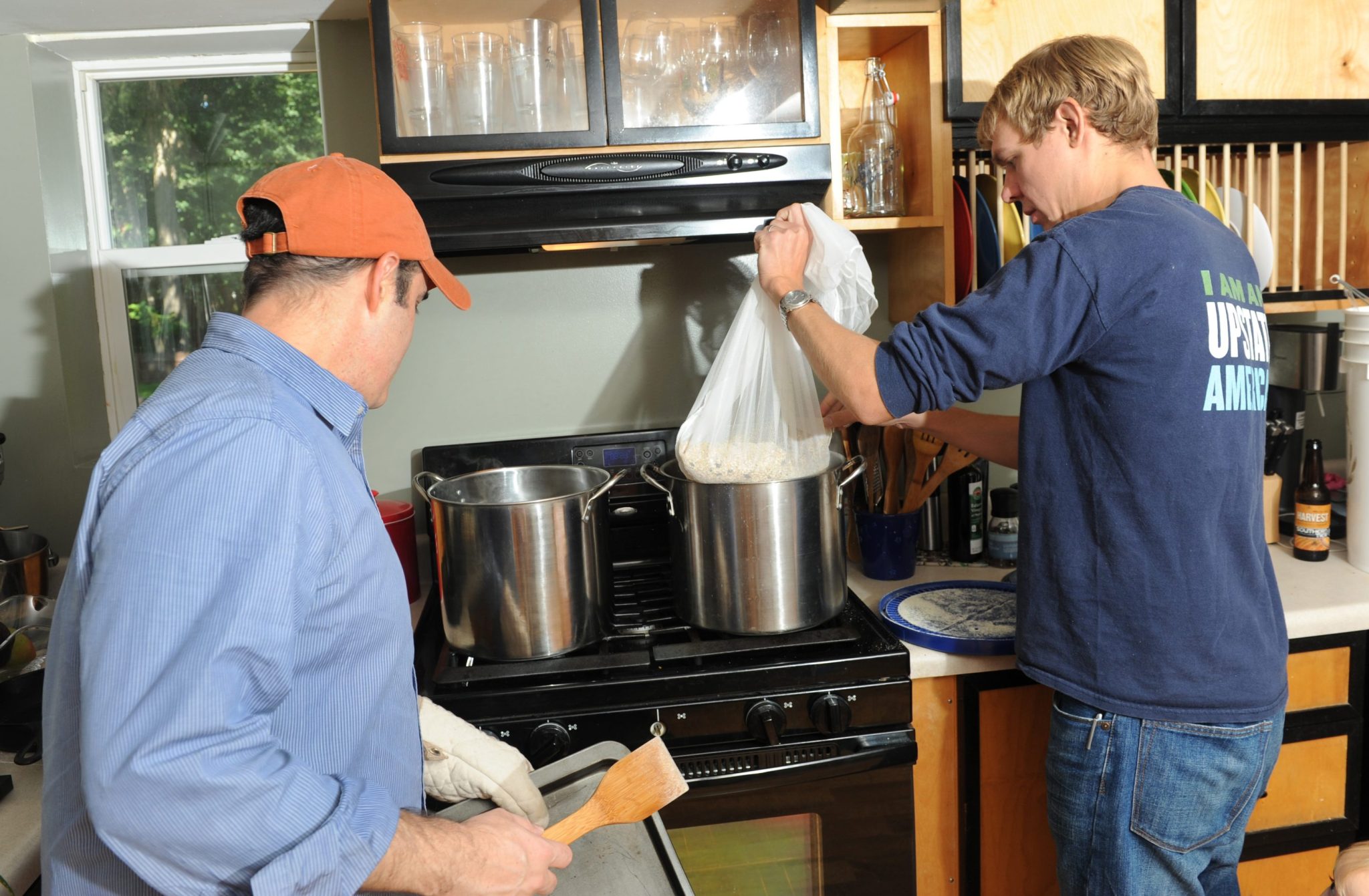
In a landmark decision, the Supreme Court has agreed to review the constitutionality of a 158-year-old law making it a federal crime to distill spirits in private homes. Plaintiffs challenging the prohibition argue that the 1868 law is outdated and stems from Reconstruction-era politics, while government attorneys maintain that Congress had the right to restrict distilling locations to prevent evasion of federal excise taxes.
The ban, which carries a maximum five-year prison sentence and a $10,000 fine, was upheld by separate federal circuit courts, leading to conflicting decisions. The Supreme Court selected the Fifth Circuit's ruling to review, aligning with the Justice Department's preference. The case raises fundamental questions about the extent of federal power and the balance of state and federal authority.
Written by urgent.news from Fortune's reporting — not their text. Machine-written — may contain errors; check the original before relying on it.