The human touch behind the virtual technology for preparing child cancer patients
Hong Kong Polytechnic University professor Shara Lee Wee-yee has been using a mixed reality programme to reduce the fear and uncertainty children face before radiotherapy, with personalised rehearsals that allow families to experience the treatment journey before entering hospital. The simulation programme, HEROCARE, was also a tool that helped carers understand what to expect and for future…
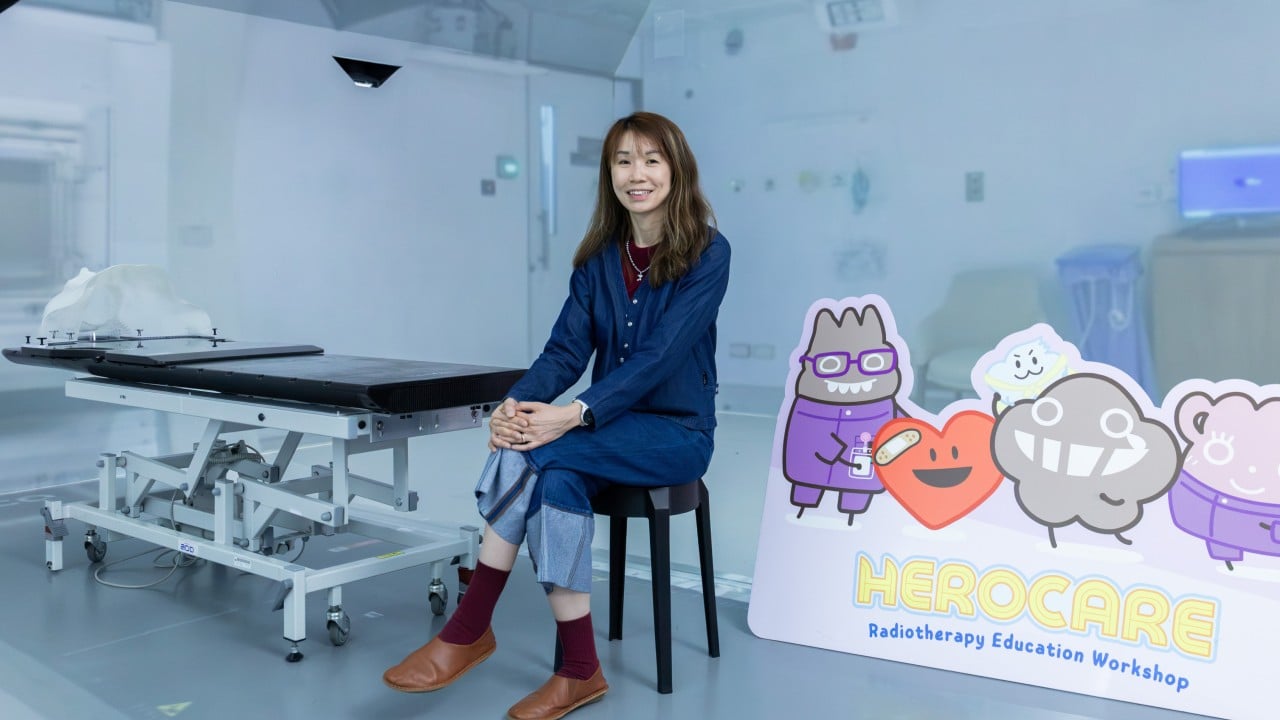
Hong Kong Polytechnic University professor, Shara Lee Wee-yee, has developed a mixed reality programme called HEROCARE to ease the anxiety of child cancer patients before undergoing radiotherapy. This innovative programme simulates hospital environments within PolyU's Hybrid Immersive Virtual Environment (HiVE), allowing families to rehearse the treatment process and helping radiotherapy students develop empathy and communication skills.
HEROCARE was launched during the Covid-19 pandemic when restrictions prevented carers and social workers from hospital areas. The 600-square-foot, six-sided facility, equipped with 360-degree projections, recreates treatment rooms, equipment, and sounds without the need for children to wear headsets.
Each 90-minute session is tailored to the child's interests and includes activities and stories related to their hobbies. A notable example is a six-year-old boy with a brainstem tumour who was initially distressed due to the thought of undergoing general anaesthesia for 30 sessions of palliative radiotherapy. Upon discovering his love for the video game Minecraft, the students transformed his rehearsal into a game-like mission featuring his favourite character.
This approach helped him complete his radiotherapy sessions while awake, avoiding the need for anaesthesia.
The programme also benefits carers by providing them with the opportunity to discuss their concerns and ask questions in a more relaxed setting, separate from the busy hospital environment. By focusing on the human aspect of patient care, HEROCARE helps radiotherapy students understand the person receiving treatment, rather than simply focusing on technical skills.
Since its inception in 2021, HEROCARE has supported 85 families and involved more than 500 students, with 71 or 94.7 per cent of the 75 children assessed for treatment while awake completing their radiotherapy courses without general anaesthesia. The treatment time per session has also been reduced by an estimated 77.8 per cent, allowing hospitals to make more efficient use of their radiotherapy capacity.
Written by urgent.news from South China Morning Post - Hong Kong's reporting — not their text. Machine-written — may contain errors; check the original before relying on it.
This story
This is one outlet's version. Read the fullest account.