THE CONVERSATION: Why are we so obsessed with true crime? It’s not just morbid curiosity
From Netflix documentaries to podcasts, true crime turns fear into relief, teaches audiences about risk and survival, and connects strangers through collective interpretation.
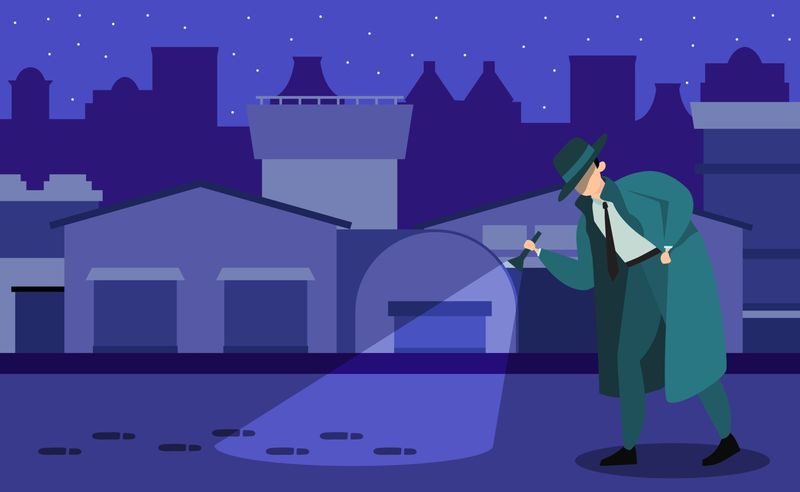
True crime content has become a cultural staple in recent years, with shows like Netflix's "The Idaho Murders: College Nightmare" drawing millions of viewers in a short period. This genre of media seems to be more than just a source of morbid curiosity, as it offers a unique blend of psychological experiences, educational value, and community engagement.
At its core, true crime appears to be a form of "benign hedonic masochism," where individuals derive pleasure from experiencing simulated fear and anxiety through stories of murder and violence. This paradoxical enjoyment, coined by psychologist Paul Rozin, allows people to engage with disturbing content while remaining physically safe, providing an emotional high that is both pleasurable and reassuring.
The genre also serves as a didactic tool, offering audiences lessons in vulnerability, risk, and survival. As Steven Pinker suggests, consuming true crime can help viewers learn how to identify and avoid potential dangers, making it a form of "low-stakes threat simulation" that mirrors real-life experiences and prepares individuals to navigate uncertain situations.
Moreover, true crime has evolved into a social phenomenon, fostering a sense of community among its fans. Through online forums, social media groups, and DIY podcasts, fans can connect with like-minded individuals, share their interpretations, and collectively analyze case details. This shared experience of consuming and discussing true crime content creates a sense of belonging and shared understanding, further fueling its popularity.
In a world where institutional trust is declining and crime appears to be on the rise, true crime provides a controlled and socially acceptable outlet for exploring dangerous scenarios and emotions. By indulging in these narratives, audiences can process their anxieties and gain a sense of control over the forces that threaten their safety, making true crime an enduring and captivating cultural phenomenon.
Written by urgent.news from Daily Maverick's reporting — not their text. Machine-written — may contain errors; check the original before relying on it.