The challenges facing barley farmers and Scotch distillers
Global demand for Scotch appears to be holding up reasonably well, but there is clearly no shortage of supply. With bulging warehouses, distillers have cut production, causing real grief to the farmers and maltsters who supply them. Ron Emler investigates … This year’s British summer, the hottest on record, left a scorched trail down the [...]
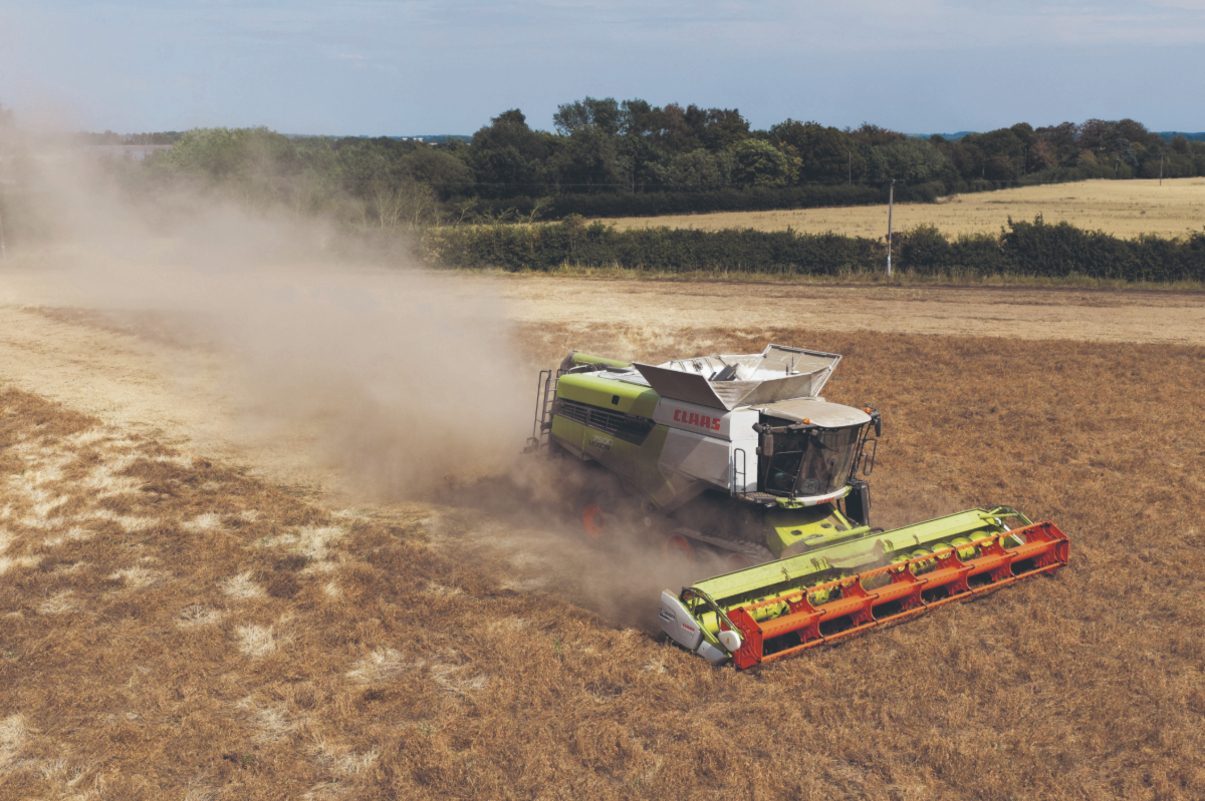
The Scotch whisky industry faces significant challenges due to a combination of factors impacting barley farmers and maltsters who provide the key raw ingredient. A scorching British summer left a scorched trail in the East Coast barley belt, resulting in yields being 17 percent below the five-year mean. This is the second or third successive challenging harvest, and the historic price gap between malting and feed barley has narrowed to just £5-15 per tonne.
Consequently, many farmers are reducing barley plantings, with barley acreage falling by 16 percent to a 16-year low. In Scotland, barley area declined by 13 percent to the lowest level since 1960.
This has put considerable financial pressure on arable farmers, particularly those in the worst-affected areas. The Agriculture and Horticulture Development Board (AHDB) noted that at a time of high input costs, farmers are experiencing significant financial strain. The situation has led to maltsters feeling the pinch, with some closing operations and others postponing investments until the Scotch whisky market recovers.
In 2025, demand for malt dropped by about 300,000 tons, and the surplus stocks held by maltsters will take considerable time to work through, suppressing the market for malting barley.
Despite some hopeful signs of increasing global demand for Scotch whisky, distillers still need to reduce surplus stocks before demand for malting barley returns to normal levels. Factors like the UK-India trade pact, which could push up barley prices, and the drive for more sustainable practices in agriculture, may help revive the barley sector.
However, the transition will require significant changes and shared costs across the supply chain, as farmers may need to adopt new varieties and growing patterns to meet the increasing demands from distillers.
Written by urgent.news from City AM's reporting — not their text. Machine-written — may contain errors; check the original before relying on it.