The burden of choice: when a plethora of options hinder both patients and doctors
More information doesn’t automatically empower. True empowerment happens through shared decision-making, a genuine psychological partnership where clinical evidence meets a patient’s personal values and priorities
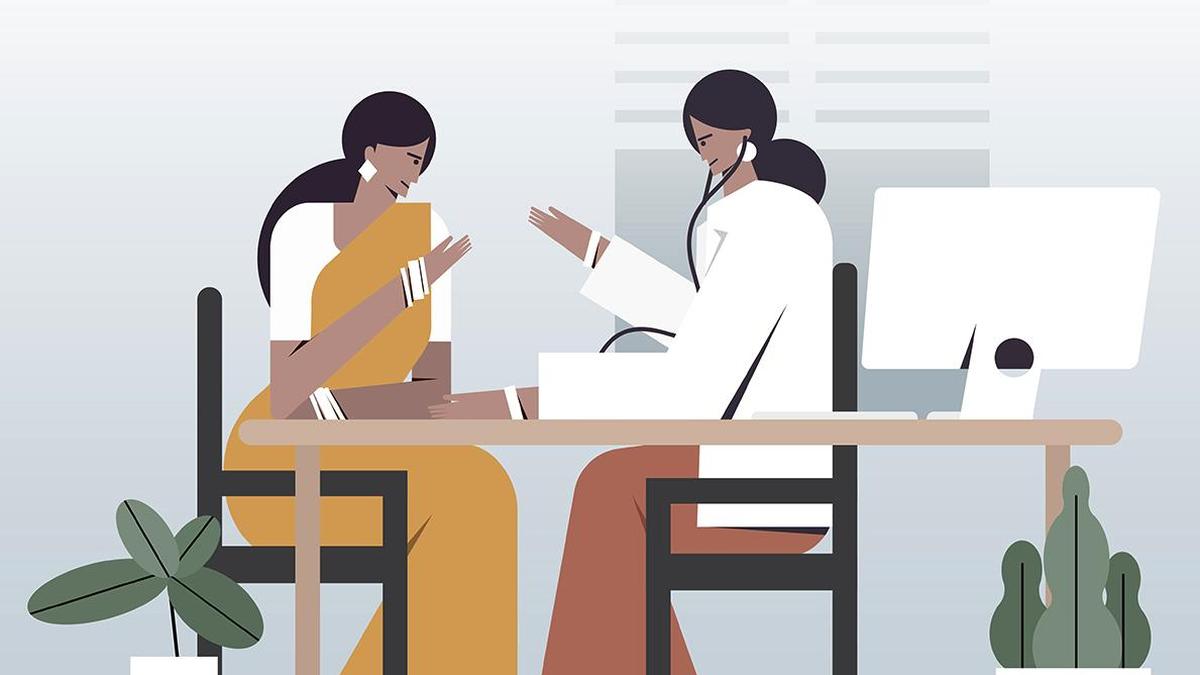
In the modern healthcare landscape, patients and doctors face the challenge of an overwhelming amount of options, which can result in psychological strain for both parties. While choice is seen as a positive, it can lead to decision fatigue and uncertainty, particularly when faced with complex medical decisions. Patients may feel pressured to find the "perfect" option, hoping to eliminate any potential risks, but the reality is that bad outcomes can still occur regardless of the choice made.
Doctors, on the other hand, must navigate a delicate balance between being clinicians, risk managers, educators, and empathetic partners all within a limited time frame. They must weigh the probabilities differently and explain why medicine isn't always straightforward, leaving patients craving certainty. However, doctors cannot promise this certainty, as it's ethically impossible to do so.
The issue lies in the way healthcare systems are structured, with doctors often expected to carry the emotional burden of patients' fears and concerns. To improve the healthcare system, there needs to be a shift towards shared decision-making, where both patients and doctors work together as partners. This approach involves providing clear explanations of clinical evidence and personal values, while also offering support to help patients manage uncertainty.
Ultimately, it's not enough to simply offer more choices; the options must be right and well-explained, with the right amount of support in place to make uncertainty more manageable. The best healthcare is built on a partnership strong enough to carry this shared weight together, rather than relying on any one individual to bear it alone.
Written by urgent.news from The Hindu Health's reporting — not their text. Machine-written — may contain errors; check the original before relying on it.