Teaching our children to care for the elderly
In a world that is moving faster than ever, one of the most valuable lessons we can teach our children is to slow down, sit beside an elderly person, listen to their stories and appreciate the wisdom that comes with age. As we prepare children for academic success and future careers, we must also prepare them to become compassionate human beings who understand the importance of caring for others,…
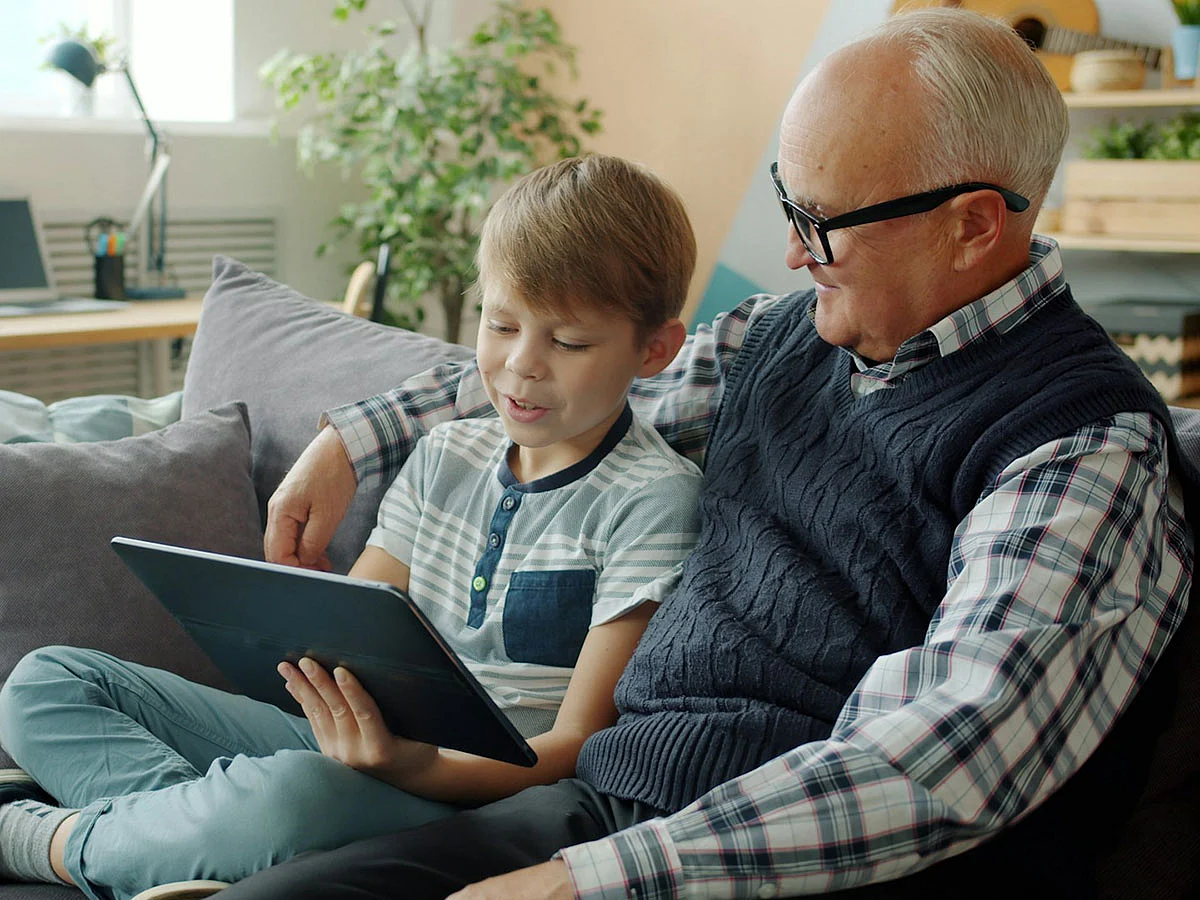
In a rapidly changing world, teaching children the importance of caring for the elderly is a vital lesson. While children focus on academic success and future careers, they must also learn to be compassionate human beings who appreciate the value of caring for others, especially the elderly. The experience of holding a grandparent's hand, listening to stories from another era, or gently assisting an older person with a simple task can nurture empathy, patience, and respect.
These simple moments teach children that caring for others is an expression of love and humanity, rather than an obligation.
In today's fast-paced environment, children often face academic expectations, extracurricular activities, digital distractions, and social pressures, leaving little time for unhurried conversations with grandparents and elderly relatives. This lack of intergenerational connections may make some children uncomfortable when initiating conversations with older people or responding when they need more time to complete a task. However, this is often due to a lack of exposure rather than a lack of kindness.
Exposure to different generations helps children appreciate the wisdom, perspectives, and needs of older people. These experiences can shape a child's understanding of relationships, family values, and life itself. For instance, memories of spending holidays with grandparents and family members can foster a deep appreciation for relationships, values, and the changing world. Elderly individuals often serve as first storytellers and mentors, sharing experiences of sacrifice, perseverance, traditions, and the evolving world.
Adults play a crucial role in fostering these connections. By leading by example, they demonstrate the importance of patience, consideration, and respect when interacting with older people. Children observe how adults speak to older individuals, whether they prioritize time with them, and how they respond to their needs. Thus, families must deliberately create opportunities for children to interact with grandparents and other elderly community members, such as through regular conversations, shared meals, family stories, traditional recipes, and looking through old photographs.
Schools also have a role to play by incorporating intergenerational storytelling sessions, visits to care homes, oral-history projects, and community outreach initiatives that help students understand the experiences and needs of the elderly.
Written by urgent.news from Gulf News's reporting — not their text. Machine-written — may contain errors; check the original before relying on it.