Russia’s Lavrov heads to Tehran as Gulf states press Moscow over Iran attacks
Russian Foreign Minister Sergey Lavrov is due to visit Tehran on Monday after Gulf states urged Moscow to use its influence at the UN to press Iran to halt attacks on regional neighbours. The visit comes as tensions escalate over shipping security and the prospect of renewed war with the US, after President Donald Trump warned overnight that Washington could “soon finish the job” unless Tehran…
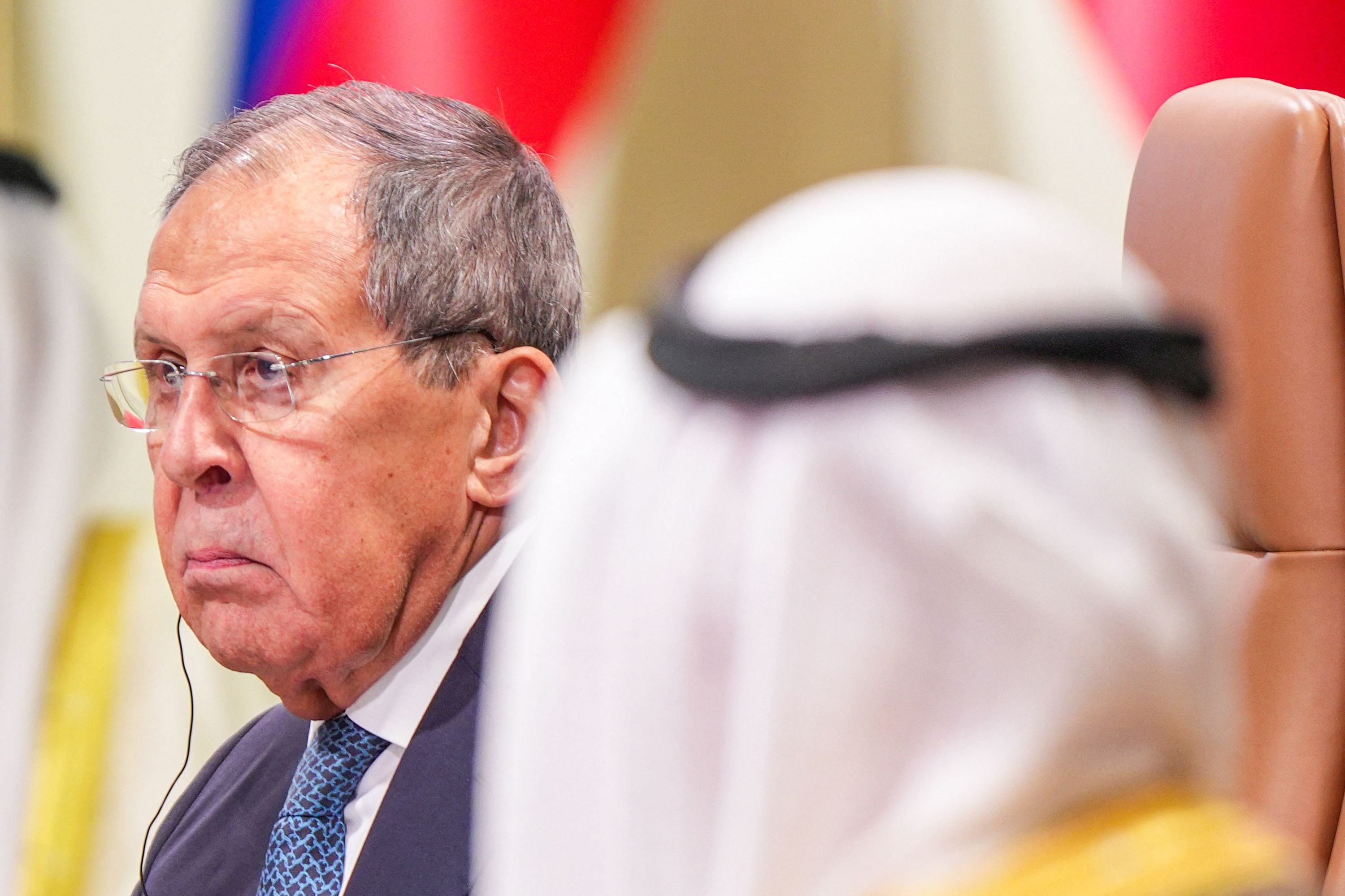
Russian Foreign Minister Sergey Lavrov is set to travel to Tehran on Monday, following calls from Gulf states for Moscow to wield its influence at the UN to dissuade Iran from targeting regional allies. The heightened tensions stem from concerns over shipping security and the possibility of renewed conflict with the United States, after President Trump suggested Washington might "soon finish the job" unless Tehran altered its conduct.
Tehran responded defiantly, with Foreign Minister Abbas Araghchi asserting that Iran had emerged stronger in the past when the US sought to "finish the job". Iran's new Defence Minister, Mehrdad Ketabchi, warned of readiness to respond to any US attack with "Mother of All Bombs", while Brig Gen Mohammad Reza Naqdi of the Islamic Revolutionary Guard Corps asserted Iran possessed the "father of Iranian missiles" to strike enemy energy infrastructure and investments across the region if provoked.
At a meeting in Manama on Sunday between Lavrov and GCC foreign ministers, the bloc urged Russia to actively facilitate Iranian compliance with UN resolutions, cease attacks on Gulf states, and engage in substantive dialogue. Lavrov advocated for a diplomatic resolution, presenting an updated Russian plan for collective security in the Gulf that includes direct discussions among coastal states and neighboring countries like Iraq and Jordan.
He emphasized Russia's respect for existing agreements and stressed the importance of removing core conflict reasons. In Manama, GCC Secretary General Jasem Al Budaiwi reported over 7,000 ballistic missile and drone attacks on GCC targets since February 28, when the US and Israel initiated their war against Iran. The strikes targeted airports, ports, power stations, water desalination plants, and oil and gas facilities, threatening global energy and food security.
The GCC warned that disruptions to maritime navigation in the Strait of Hormuz and threats to shipping in the Red Sea and Bab Al Mandeb straits could endanger international supply chains. Iran has intensified attacks on tankers using a US-backed route through the Strait of Hormuz, which accounts for about one-fifth of global oil and liquefied natural gas supplies.
However, the IRGC's claim of an oil tanker striking a naval mine and catching fire in the Strait of Hormuz could not be independently verified. Iran's hardline Parliament Speaker, Mohammad Bagher Ghalibaf, warned against funding AI and data companies accused of supporting US and Israeli military operations, proposing a "Gulf Data Authority" and threatening enforcement measures against companies providing finance, land, or energy to such entities.
Written by urgent.news from The National UAE's reporting — not their text. Machine-written — may contain errors; check the original before relying on it.
This story
This is one outlet's version. Read the fullest account.
- Russia’s Lavrov heads to Tehran as Gulf states press Moscow over Iran attacks thenationalnews.com