Press Metal faces earnings pressure from falling aluminium prices, rising costs
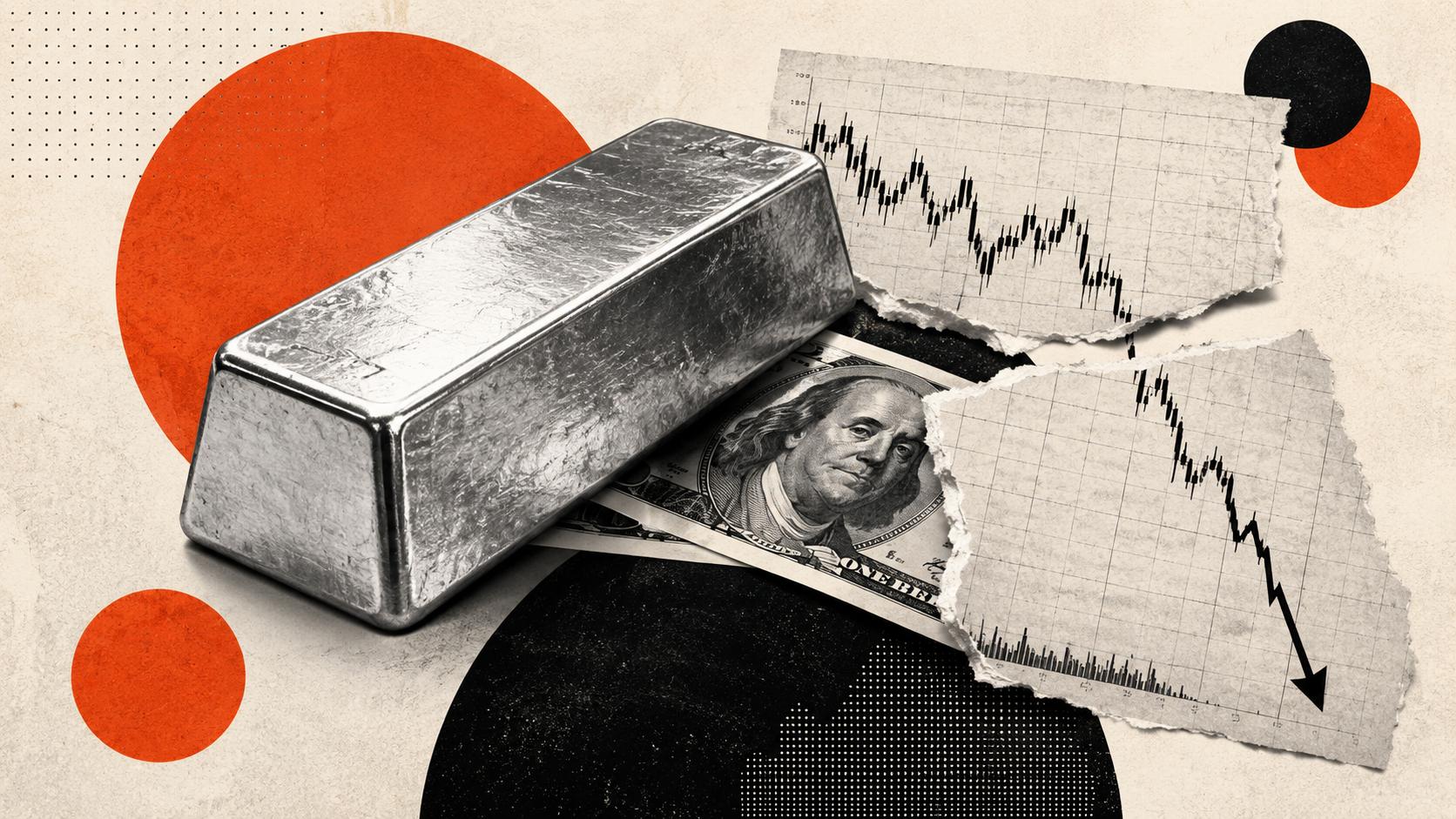
KUALA LUMPUR: Press Metal Aluminium Holdings Bhd faces pressure on its earnings as aluminium prices fall below US$3,000 per tonne while carbon anode costs climb to a three-year high.
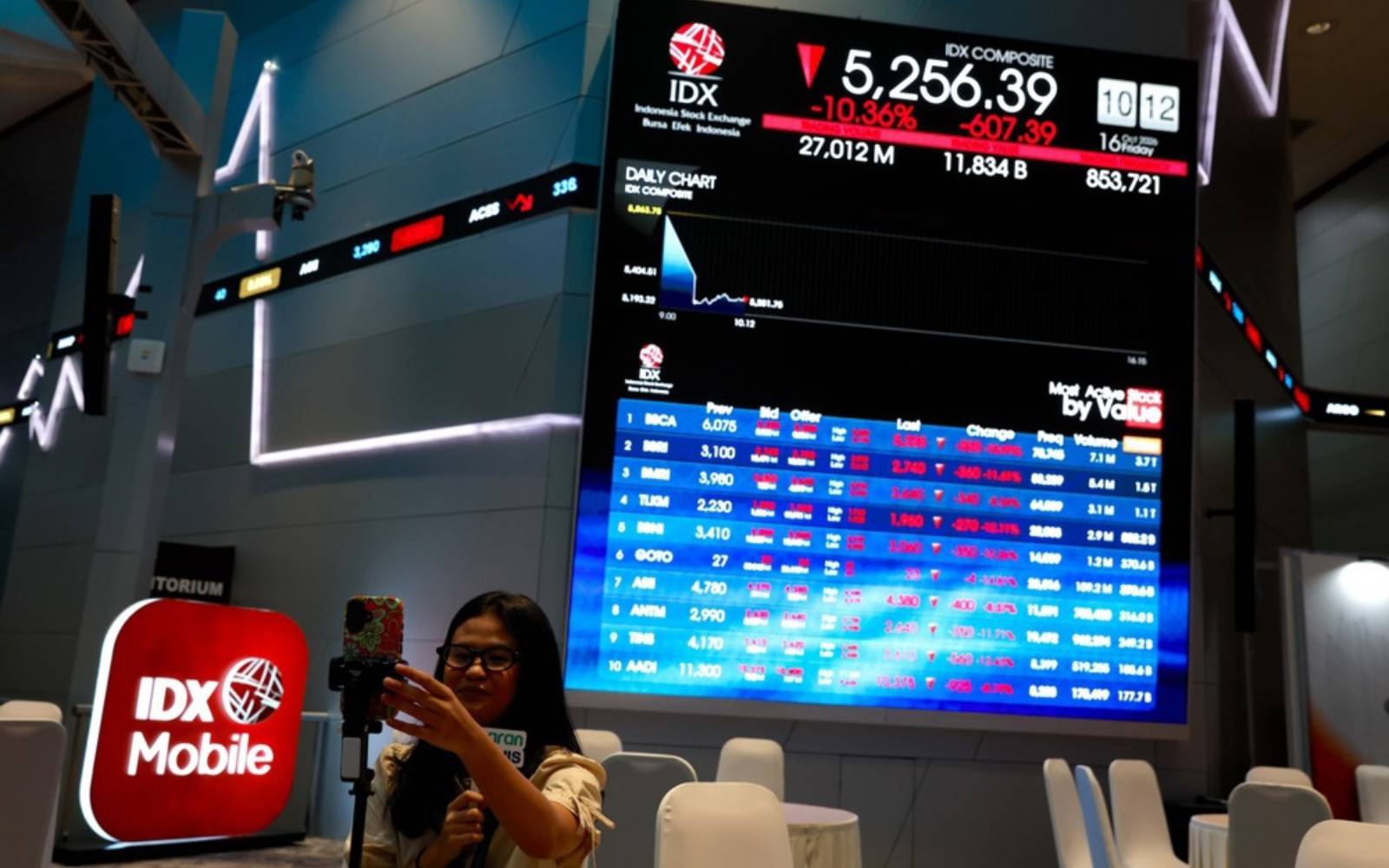
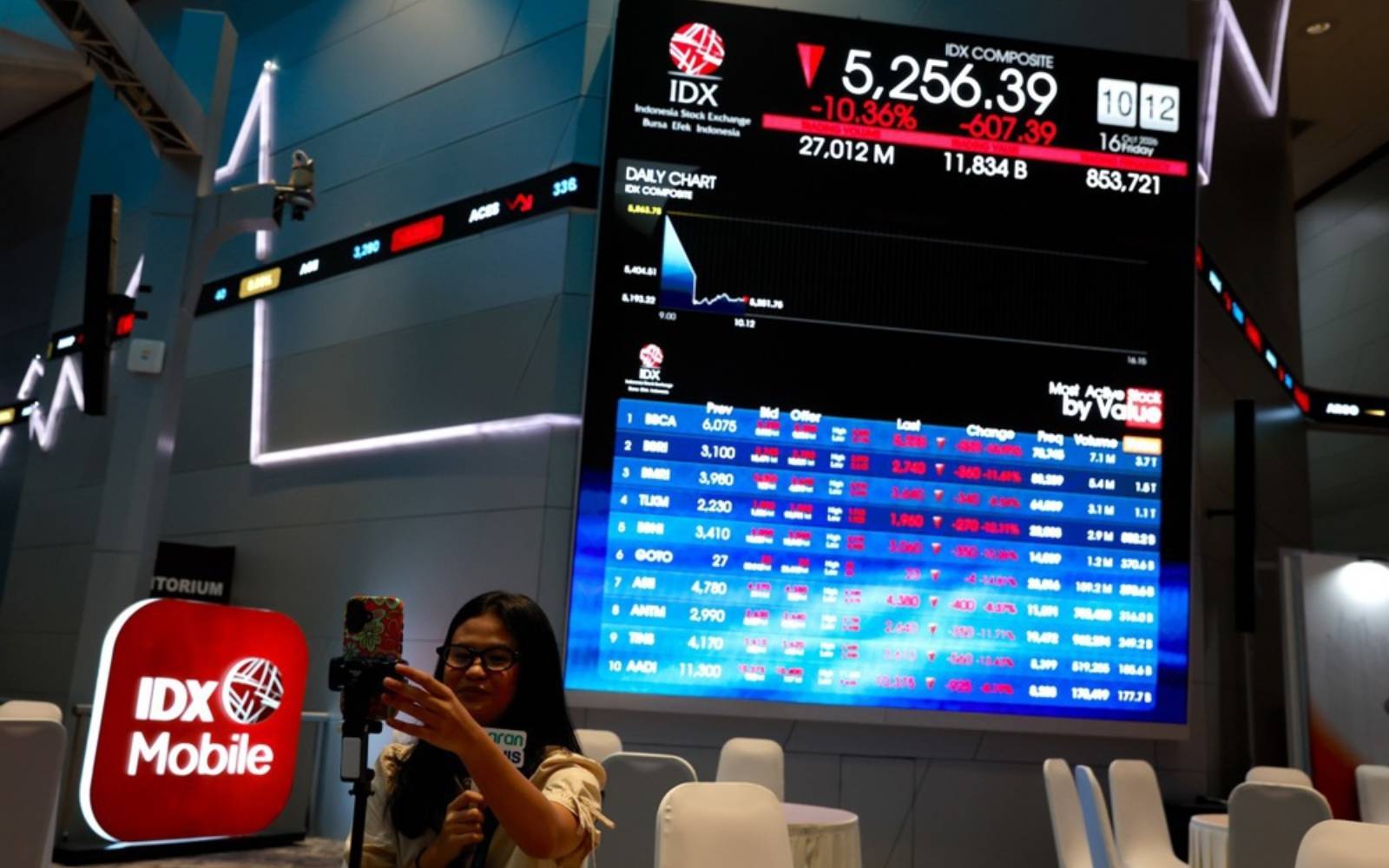
KUALA LUMPUR: Aluminium prices dropping below $3,000 per tonne and carbon anode costs surging to a three-year high are putting pressure on Press Metal Aluminium Holdings Bhd's earnings, according to RHB Research. The nine percent drop in the company's share price on a single day was attributed to these cost pressures, along with worries about higher US inflation, tighter monetary policy, and the US dollar strengthening.
Aluminium prices fell to $2,987 per tonne due to weaker demand following a sell-off in AI-related stocks, expectations of a quicker recovery in the Middle East, and the possibility of extra supply from Indonesia. Meanwhile, carbon anode prices increased by six percent over two weeks, surpassing 6,000 Chinese yuan per tonne, partly due to higher petroleum coke costs.
RHB Research lowered its earnings forecasts for FY26 to FY28 by four to five percent, taking into account higher carbon anode costs and revised foreign exchange assumptions. Carbon anodes make up 16 to 19 percent of Press Metal's cost structure, and every 100 yuan change in carbon anode prices could impact annual net profit by two to three percent.
Despite the cost pressures, RHB Research kept a "Buy" rating on Press Metal but reduced the target price to RM9.30 from RM9.80, suggesting a possible upside of about 43 percent. The stock is considered oversold, trading at 18.9 times forecast FY27 earnings and near its three-year valuation low. The company's 80%-owned PT Kalimantan Aluminium Industry project is set to start operations in Q2 2027, potentially reaching full capacity within two to three months.
This expansion could bring Press Metal close to self-sufficiency in alumina, a crucial raw material for aluminium production, improving its smelting margins. RHB Research maintains a positive outlook on the company, citing an anticipated near-term aluminium supply deficit, but also flags declining aluminium prices and persistently high raw material costs as key risks.
Written by urgent.news from New Straits Times's reporting — not their text. Machine-written — may contain errors; check the original before relying on it.