Oil's long view darkens as Middle East war refuses to end
OIL markets initially treated the Iran war as a brief bullish disruption in a long-term bearish trend. But traders are now betting that oil prices will remain elevated through 2028, forcing a rethink of the global inflation outlook.
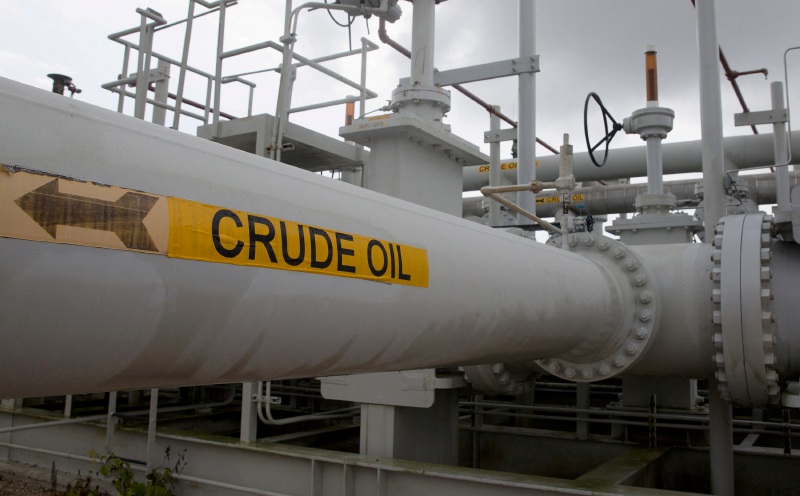
OIL markets initially viewed the Iran war as a short-term bullish disruption in a long-term bearish trend. However, traders now anticipate elevated oil prices through 2028, altering the global inflation outlook. Eight months into the conflict, critical buffers, such as onshore crude oil stockpiles, are rapidly depleting. Simultaneously, the recovery of crude exports through the Strait of Hormuz is fragile, and global refining capacity has suffered damage.
Diplomatic pathways to end the war appear increasingly limited. Brent crude futures have surged, with contracts for December delivery rising over 13% since early September to $86 a barrel, the highest level for the contract. This reflects market participants' willingness to pay a premium for elevated prices amid potential long-term disruptions.
This market positioning contrasts sharply with industry expectations of a swift supply recovery next year. The International Energy Agency forecasts global supply to rise to 108.3 million barrels per day (bpd) from 100.7 million bpd this year, while demand is expected to increase from 102.4 million bpd to 104.4 million bpd. However, the projected surplus may not materialize, as market participants are increasingly skeptical.
The ongoing tensions between Washington and Tehran, centered on control of the Strait of Hormuz, have expanded beyond the Gulf, with Iran-aligned Houthis launching missile and drone attacks on Saudi Arabia. These attacks have caused significant disruptions, leading to a record-high European diesel futures price of $1,480 per metric tonne, equivalent to about $210 per barrel.
The strain of the conflict is evident in diesel markets, as sustained diesel inflation could trickle down to global commerce, affecting transportation, manufacturing, and food costs. The situation underscores the need for the global energy system to rebuild inventories, refinery capacity, and supply chains damaged by months of conflict.
Until then, the world risks enduring structurally higher energy costs, even after the shooting stops.
Written by urgent.news from New Straits Times's reporting — not their text. Machine-written — may contain errors; check the original before relying on it.
This story
This is one outlet's version. Read the fullest account.