NZ’s climate in ‘uncharted territory’, with more extreme weather events ahead
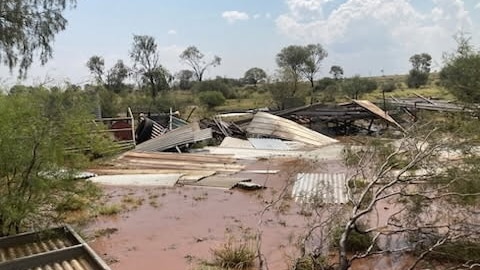
A new report shows New Zealand faces a future of more frequent extreme droughts, heatwaves, floods and fires, with inevitable losses of infrastructure and property.
New Zealand is experiencing "uncharted territory" when it comes to its climate, with more extreme weather events on the horizon, according to a new stocktake report. The country has already warmed by 1.36°C since 1909, with seven of the ten warmest years occurring since 2016. Carbon dioxide levels have surged 30% since 1972, and the rate of increase has tripled since the 1960s.
Ocean surface temperatures around New Zealand have warmed 34% faster than the global average, with marine heatwaves becoming more frequent in the Tasman Sea region, causing significant harm to marine ecosystems.
As the warming continues, glaciers in New Zealand are expected to lose up to 85% of their remaining mass this century, with some potentially vanishing completely. This warming will exacerbate the effects of the ongoing El Niño event, leading to stronger rainfall extremes in the western regions of the South Island and more intense droughts in some eastern areas.
New Zealand's per-capita emissions are among the highest in the world, despite accounting for only 0.06% of the global population. The report highlights the economic impacts of climate change, with agriculture and tourism being particularly vulnerable. Droughts can reduce dairy production and increase water storage costs, while changes in suitable growing regions could affect horticulture, such as kiwifruit, avocados, and blueberries.
Warming ocean temperatures may also shift commercial fish stocks, reducing catches of commercially farmed salmon and shellfish.
Tourism numbers may decrease as a result of increased costs and the desirability of international travel diminishing. The report emphasizes the cascading effects of multiple consecutive climate events, which can be devastating for regional communities. For example, the Auckland anniversary weekend floods followed several heavy rain events with already saturated soils.
Reducing emissions from agriculture and transport sectors, which contribute most to New Zealand's emissions, would be a crucial response to obligations under the Paris Agreement.
Māori communities and businesses are especially exposed to climate change impacts, with many marae located in exposed coastal areas or floodplains. Over 80% of Māori households are vulnerable to flood risk. The impacts of climate change will vary across different communities, with coastal communities facing the most severe consequences due to sea-level rise, which is accelerating along New Zealand's coasts and poses a significant threat to infrastructure and private property.
Written by urgent.news from The Conversation AU's reporting — not their text. Machine-written — may contain errors; check the original before relying on it.