'Not in our DNA' - will 3v3 change the future of English football?
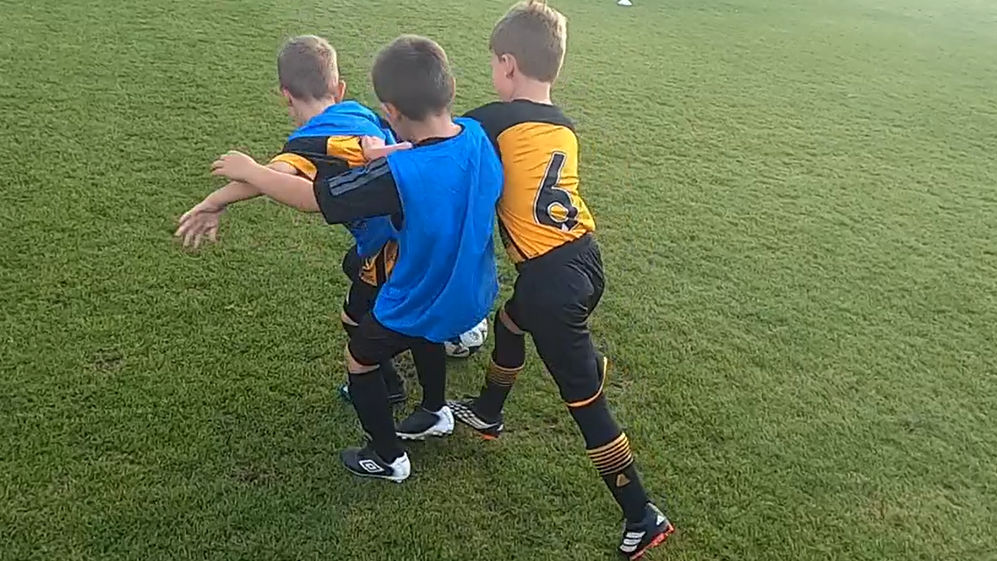
Changes have been implemented by the FA from this season with under-7s dropping from playing 5v5 to 3v3 in England - could it help to change the DNA of English football?
In the aftermath of England's poor showing at the World Cup, England manager Thomas Tuchel highlighted the importance of ball possession, suggesting it's not part of the English team's "DNA" in the same way it is for countries like Spain, Argentina, or Brazil. The Football Association is now attempting to rectify this through a change in youth football, moving away from the traditional 11v11 matches on full-sized pitches to a smaller-sided game known as "3v3."
This change aims to increase the number of touches each player gets, resulting in more decisions being made and more physical activity. According to John Folwell, head of grassroots coach development at the FA, players having more touches of the ball are more engaged in the game and making more decisions. The FA implemented this variation of small-sided football for under-10s in 1999, gradually reducing the number of players until it reached 5v5 for children under seven years old.
The change is still in its infancy, with coaches finding it challenging to oversee the smaller games and children struggling to adapt, particularly when it comes to understanding safe tackles. However, many children and parents believe the game is more enjoyable, with children scoring more goals and having the opportunity to dribble around defenders.
While there are concerns about the impact on goalkeepers' development, the FA assures these issues will not be detrimental, as players will still be developing essential skills such as blocking and sliding. The new format is also being adopted by countries like Germany, the Netherlands, and Norway, and is growing in popularity worldwide.
Whether this change will ultimately improve the development of English footballers remains to be seen, but initial feedback suggests it is a step in the right direction.
Written by urgent.news from BBC Sport Football's reporting — not their text. Machine-written — may contain errors; check the original before relying on it.
This story
This is one outlet's version. Read the fullest account.