NASA’s Simulated Mars Crew Marks One Year Inside Habitat
The four crew members in NASA’s simulated Mars mission have spent the past year living and working in isolation in a confined habitat at NASA’s Johnson Space Center in Houston.
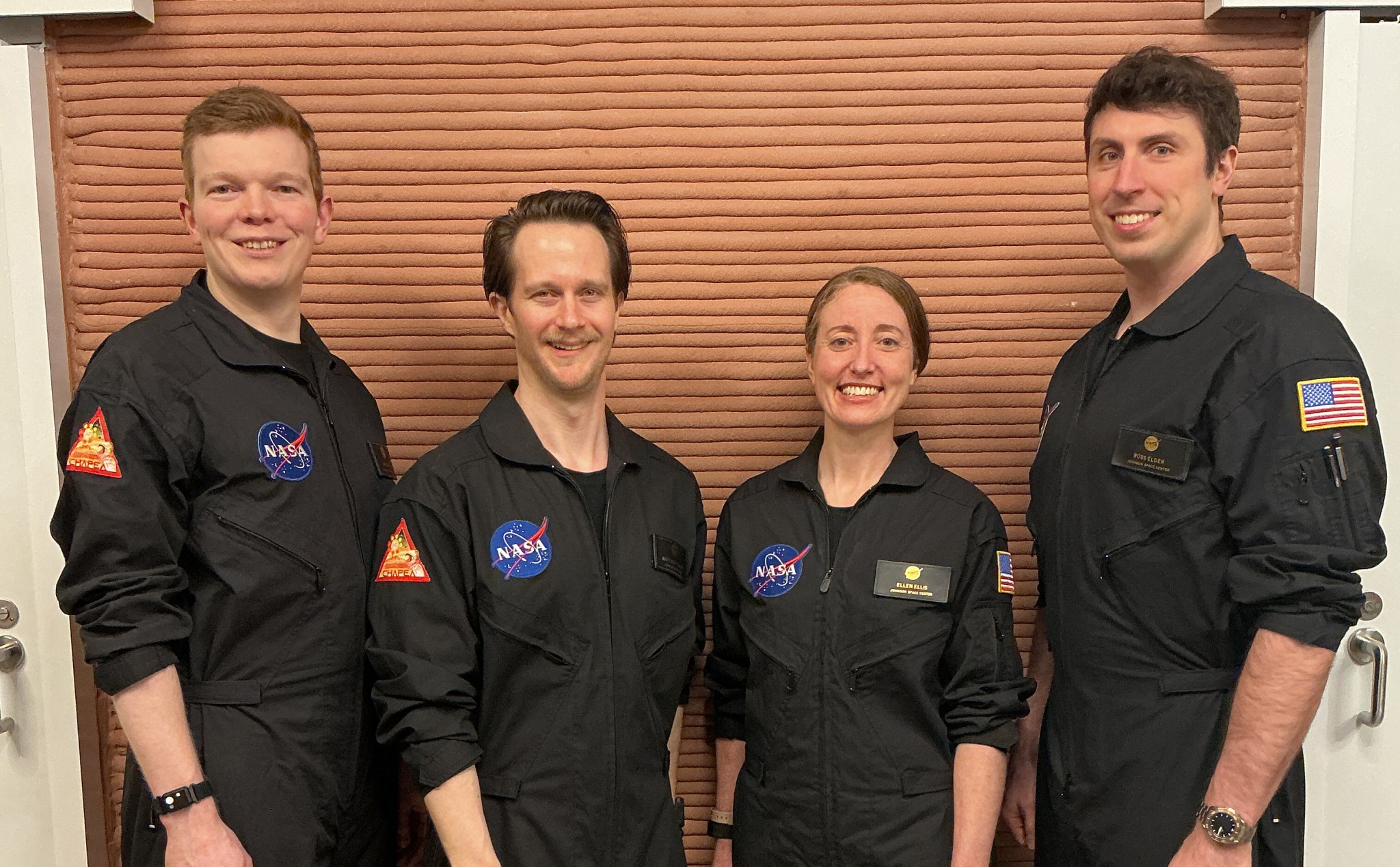
NASA’s simulated Mars crew has marked a year inside their isolated habitat at Johnson Space Center in Houston. The Crew Health and Performance Exploration Analog (CHAPEA) Mission 2 team - Ross Elder, Ellen Ellis, Matthew Montgomery, and James Spicer - spent the past 365 days living and working in the 1,700 square foot 3D-printed habitat, replicating the experience of being on the Red Planet.
During their mission, the crew members grew crops, managed limited resources, conducted suited extravehicular activities, and navigated communication delays, including a 45-minute round-trip delay. Ahead of the one-year anniversary, NASA scientists analyzed health and performance data collected from the crew to help prioritize future long-duration missions on Mars.
The crew is set to exit the habitat on October 31 to reconnect with their families and participate in two weeks of post-mission evaluations and debriefs with NASA scientists. These evaluations will provide valuable insights into how to maintain crew health, productivity, and connection during missions far from Earth, as well as inform methods for counteracting spaceflight risks.
Written by urgent.news from NASA's reporting — not their text. Machine-written — may contain errors; check the original before relying on it.
This story
This is one outlet's version. Read the fullest account.