Lower access charges to spur renewable energy deals with data centres
KUALA LUMPUR: The recent 10 per cent cut in system access charges is expected to accelerate renewable energy agreements with data centre operators, providing a boost to Malaysia's power sector, according to RHB Research.
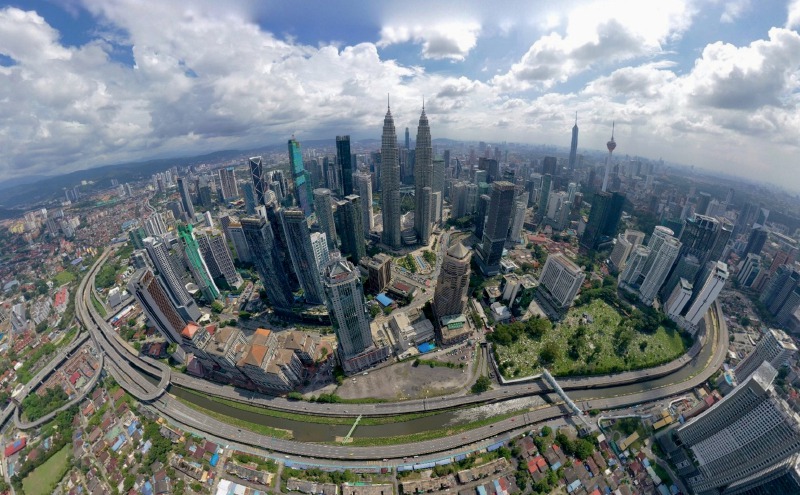
The Malaysian power sector has welcomed a recent 10% reduction in system access charges, anticipating a surge in renewable energy deals with data centre operators. According to RHB Research, the lower electricity costs will help fuel earnings growth and new project opportunities in the fourth quarter of 2026. The firm currently rates TNB, YTL Power International, Samaiden Group, and Solarvest Holdings as top picks in the power sector.
TNB has already signed five new energy supply agreements with data centre operators this year, covering a combined capacity of 856 megawatts. The utility aims to seal 10 such agreements this year, totalling up to 1.5GW of capacity, which should boost annual electricity sales growth by five to six percent. RHB Research also expects the government to introduce a separate automatic fuel adjustment rate for data centres in January 2027 to alleviate the impact of higher fuel costs on residential customers.
In the realm of new generation capacity, RHB Research anticipates the announcement of winners for the NEWGEN26 tender by year-end, with potential contracts for TNB and YTL Power, who both have reserved gas turbines. Should both companies secure contracts, RHB Research estimates upside potential of two percent for TNB and four percent for YTL Power. Moreover, the companies could utilize their reserved turbines to develop captive power plants that supply electricity directly to data centre operators.
Renewable energy projects under the sixth Large Scale Solar programme and Corporate Renewable Energy Supply Scheme (Cress) are expected to generate further growth opportunities. With the LSS6 tender closing in October, the earliest project awards are anticipated in the first quarter of 2027, and more CRESS agreements should follow as projects need to commence commercial operations by the end of 2028.
The tight construction window of 18 to 24 months could prompt developers and electricity buyers to finalize agreements sooner, thus benefiting YTL Power, who RHB Research identified as a key beneficiary of the National Energy Transition Roadmap.
Written by urgent.news from New Straits Times's reporting — not their text. Machine-written — may contain errors; check the original before relying on it.