‘Just not acceptable’: Backlash grows over Nova Scotia AI data centre project
Criticism of Nova Scotia's move to build a large-scale AI data centre is growing, as both opposition parties are calling for an emergency sitting of the Legislature to debate it.
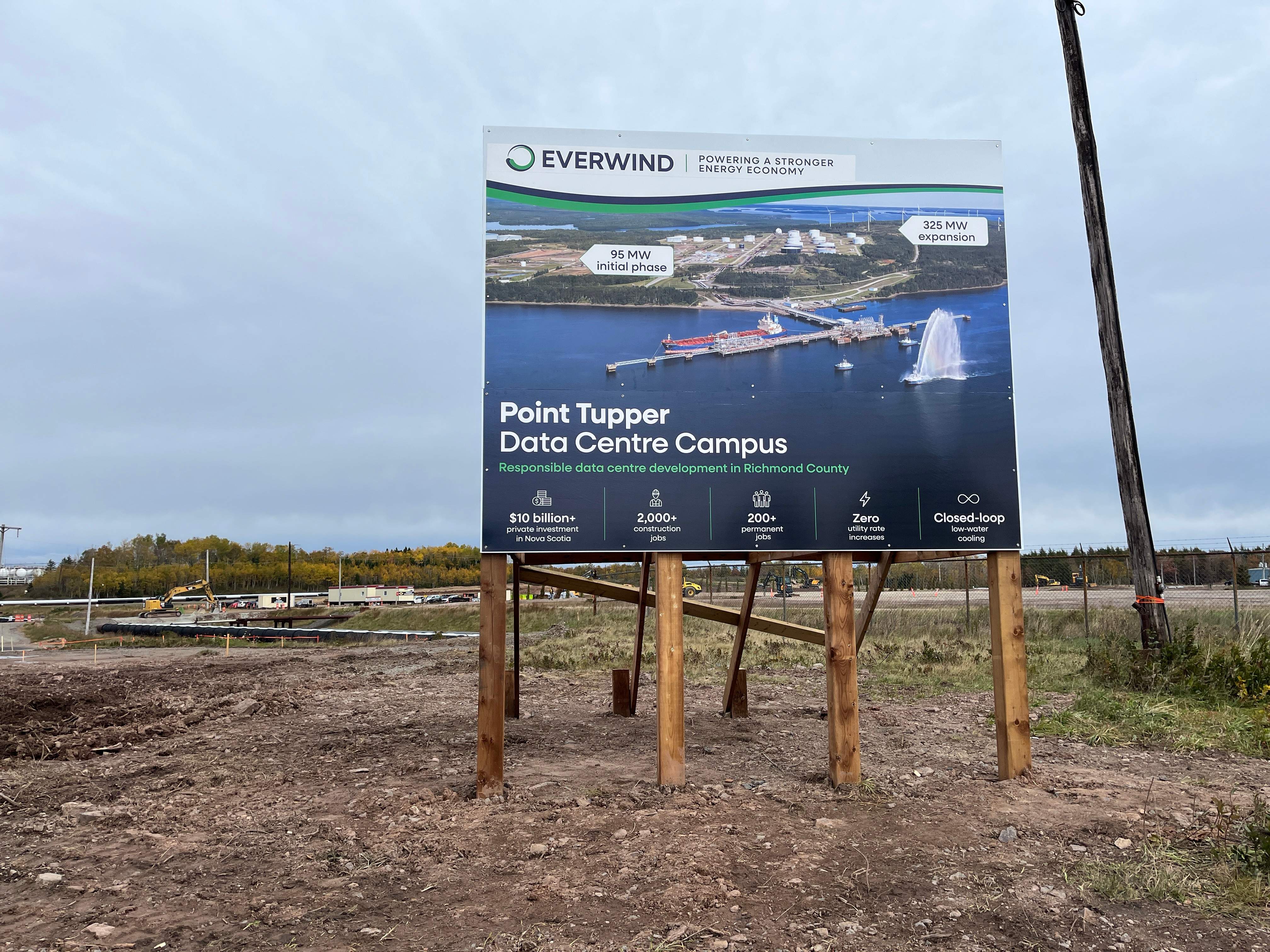
Criticism of Nova Scotia's plan to build a large-scale AI data centre in Cape Breton is mounting, with both opposition parties demanding an emergency meeting of the legislature to discuss the project. Energy and infrastructure company EverWind announced a $10 billion investment in the data centre campus at its existing Point Tupper site near Port Hawkesbury. AI development company Anthropic confirmed it has signed a long-term lease to use the centre.
Opposition Leader Claudia Chender expressed her concerns in a letter to Premier Tim Houston, stating that "tough questions about this project must be asked." She argued that non-binding federal guidelines and post-social media post expectations are insufficient to ensure accountability for the data centre. Liberal MLA Becky Druhan supported Chender's request for an emergency sitting, emphasizing that Nova Scotians deserve answers and protections.
Premier Houston responded, assuring that "there will be many checks and balances built into the process." He claimed that regulatory decisions are made using "sound technical expertise and evidence, science and facts." However, community advocate Julissa Stewart and other residents in Richmond County feel they were not properly consulted and want a pause on the project until regulatory safeguards are in place.
There are concerns about the environmental and health impacts of large-scale data centres in Canada, with some municipalities imposing moratoriums. A rally was held in Halifax after the EverWind announcement, with protesters questioning the lack of consultation. EverWind plans to begin with a 95-megawatt phase in late 2027, followed by a 325-megawatt expansion in 2028, expecting a full capacity of 420 megawatts.
The company stated it will fund the electricity infrastructure costs to avoid passing them on to ratepayers, but experts urge independent analysis to assess the project's impact on the grid and power bills.
Written by urgent.news from Global News's reporting — not their text. Machine-written — may contain errors; check the original before relying on it.
This story
This is one outlet's version. Read the fullest account.