In Manipur, a flailing state, a missing political process
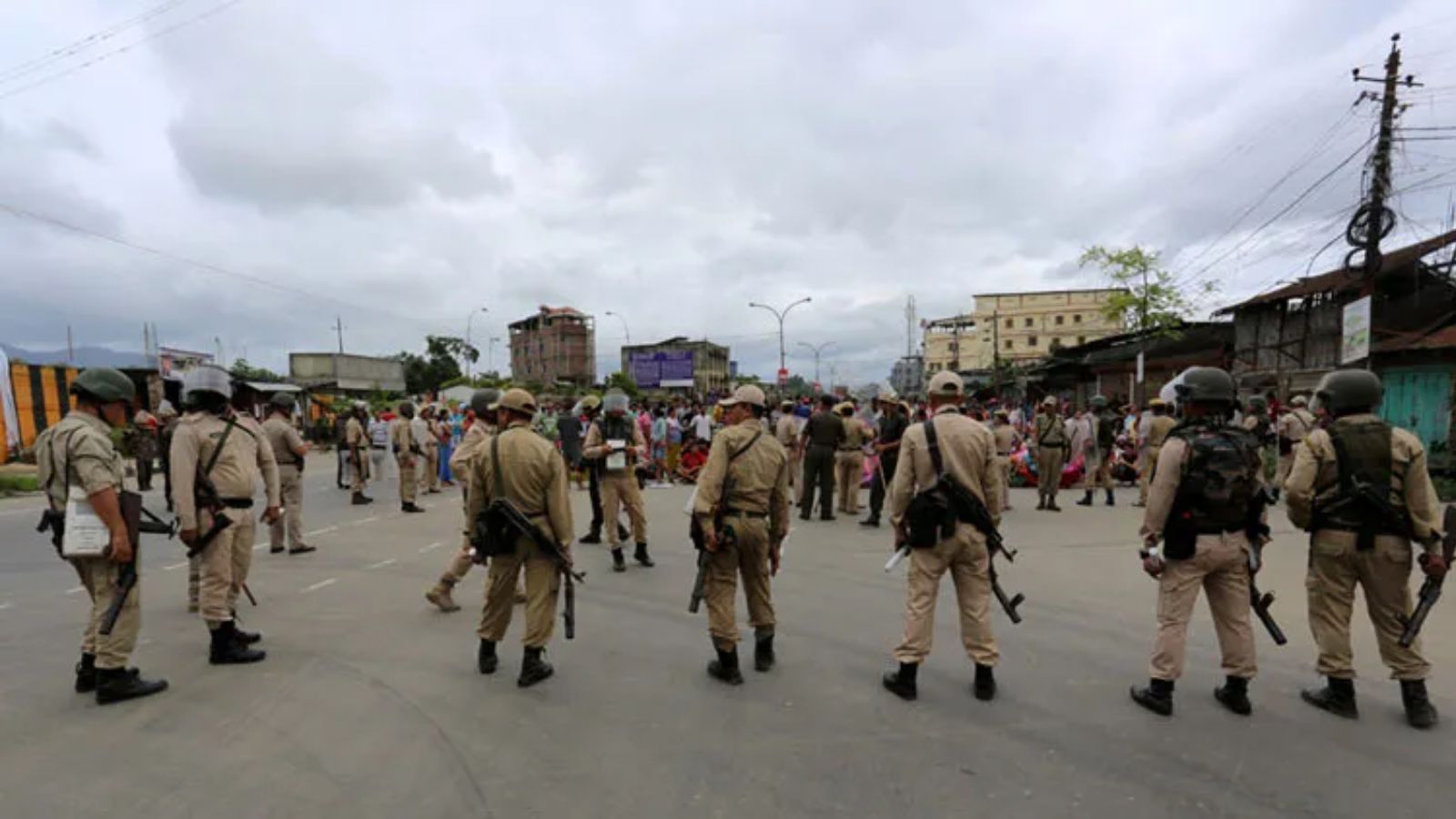
In the Manipur region, an already struggling state now grapples with a fractured political process, exacerbated by deep-seated ethnic tensions. Ethnic strife has expanded into the hill districts, with violence escalating between the Kuki-Zo and Naga communities, following a conflict that began in May 2023, claiming over 300 lives and displacing nearly 60,000 people.
The longstanding animosity between the Nagas and Kuki-Zos, which fueled violent clashes in the 1990s, has resurfaced, resulting in at least nine deaths in a recent 24-hour period starting October 9.
Despite political and administrative changes, including President's Rule, a change of chief minister, and the resurgence of stakeholders, the state and Union governments have failed to effectively address the violence, despite deploying significant security forces. The lack of foresight in preventing the outbreak of violence and their inability to disarm militant groups and ethnic militias raises concerns about the state's governance and law-enforcement capabilities.
The period of President's Rule between February 13, 2025, and February 4, 2026, provided a chance to recover looted weapons, but the state's failure to do so has allowed militias to maintain influence in the ongoing violence. Additionally, the 51-member Peace Committee, announced after Amit Shah's visit in June 2023, has yet to operationalize, further highlighting the absence of meaningful political engagement.
The non-functioning of the six Autonomous District Councils (ADCs), whose last election took place in 2015 and whose term ended in 2020, also weakens the connection between local communities and the government, potentially fueling ethnic mobilization and violence.
Historically, between 2010 and 2020, when the ADCs were functional, Manipur experienced a decline in militant activity and violence, suggesting a strong link between the council's presence and reduced tensions. The ongoing dysfunction of the ADCs has hindered this vital link, contributing to political failure and the erosion of social cohesion in the region.
Immediate action is required from both the state and Union governments to curb violence, disarm militants, and restore public trust in the state. Delayed action threatens to undermine the progress made in reducing militancy, making prompt intervention crucial.
Written by urgent.news from The Indian Express's reporting — not their text. Machine-written — may contain errors; check the original before relying on it.