How Operation Sindoor reshaped India's private defence tech industry
From faster procurement to direct engagement with the armed forces, Operation Sindoor has opened new opportunities for private defence companies developing critical military technologies.
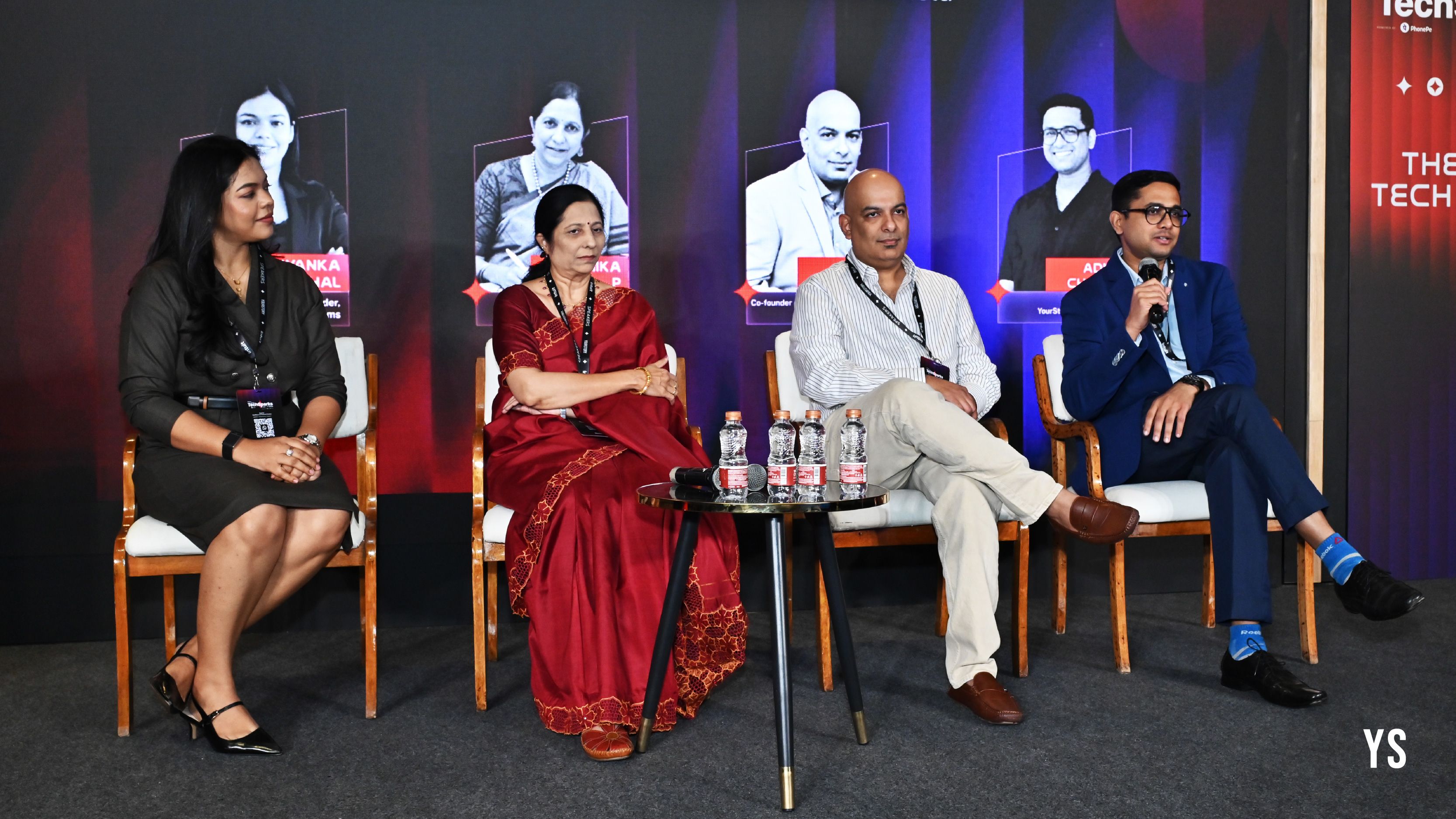
Operation Sindoor has significantly altered the trajectory of India's private defense technology industry. Industry executives have observed a shift towards faster procurement, increased private-sector involvement, and a renewed focus on domestically developing critical military technologies. At the TechSparks 2026 conference, executives from Tonbo Imaging, Ammunic Systems, and Pinaka Aerospace discussed India's private sector contributions to recent military operations and outlined priorities for the battlefield of 2035.
Ankit Kumar, Co-founder and Chief Business Officer of Tonbo Imaging, highlighted the growing emphasis on indigenous technology development. Tonbo Imaging, with its expertise in electro-optical and infrared technologies, has seen increased demand for their night-vision systems, which were utilized in Operation Sindoor. Kumar emphasized the importance of autonomy in defense systems, foreseeing a future where human intervention is minimized, and sensors and intelligence play a decisive role.
Priyanka Singhal, Founder and CEO of Ammunic Systems, echoed Kumar's sentiments, noting that Operation Sindoor served as a wake-up call for the industry. Ammunic Systems supplied loitering munitions and gravity-drop bombs during the operation, illustrating the growing role of private companies in the procurement process. Singhal stressed the need to move away from traditional defense procurement cycles and focus on equipment that meets immediate battlefield requirements.
Radhika P, Co-founder of Pinaka Aerospace, also emphasized the private sector's growing role in military operations. Pinaka Aerospace contributed to indigenizing missile systems and highlighted the strategic importance of payloads, such as sensors and electronic warfare systems, over platforms alone. She argued that the effectiveness of military equipment now hinges on its payloads, not just the platform itself.
Looking ahead to 2035, Kumar predicted that defense systems would increasingly become autonomous, reducing the need for direct human involvement. He underscored the importance of sensors and intelligence in enabling autonomous systems to detect threats and respond without human intervention. Radhika P emphasized control over the electromagnetic spectrum as a key battlefield priority, noting that future military advantage would depend on the ability to detect, interpret, and disrupt electromagnetic signals.
She stressed the critical importance of owning underlying technologies rather than relying on foreign suppliers.
Written by urgent.news from YourStory's reporting — not their text. Machine-written — may contain errors; check the original before relying on it.
This story
This is one outlet's version. Read the fullest account.
- Data is not a moat: What India’s CTOs say will define the next tech edge yourstory.com
- ZF expects India sourcing to grow 10-15% annually over next 3-4 years business-standard.com