How a US$110 million fishing harbour in Tanzania serves China’s food and security goals
About 300km (186 miles) south of Dar es Salaam and near the ruins of Kilwa Kisiwani, the fishing town of Kilwa Masoko has a new port designed to accommodate fishing vessels far larger than the boats that have long worked this stretch of Tanzania’s coast. The fishing port had passed its completion inspection, China’s ambassador to Tanzania Chen Mingjian said last week, while hailing it Tanzania’s…
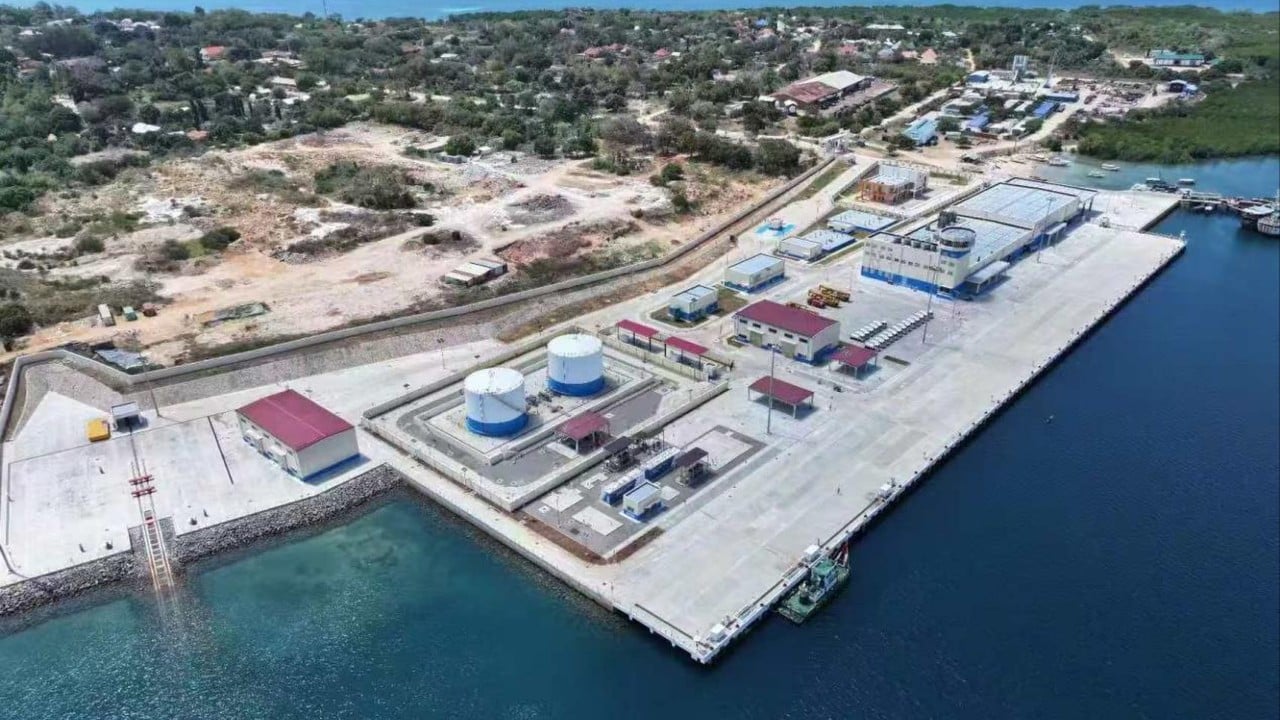
Located about 300km (186 miles) south of Dar es Salaam, the fishing town of Kilwa Masoko recently welcomed a new port designed to accommodate much larger fishing vessels than those previously seen in the region. This marks Tanzania's first large-scale modern fishing harbor, with a capacity to land 60,000 tonnes of fish annually.
The project aims to enhance local fish markets, reduce spoilage, and generate employment, with estimates around 30,000 direct and indirect jobs created. The US$110 million port, constructed by China Harbour Engineering Company as part of Beijing's Belt and Road Initiative, includes fish-processing and ice-making plants, cold storage, and a workshop for repairing fishing boats.
This infrastructure development is part of a broader effort to construct fishing facilities across Africa, offering mutual benefits. For Tanzania, it promises more locally landed fish, reduced seafood wastage, and increased job opportunities in processing. For China, such ports can secure seafood supplies and support distant fishing operations.
China's distant-water fishing industry began in West Africa in 1985, and the "Go Global" policy introduced in 2000 encouraged overseas expansion, backed by subsidies for fuel, vessels, and processing facilities. China is also funding fishing ports in countries like Ghana, Guinea-Bissau, Mozambique, and Sierra Leone.
However, this expansion has drawn criticism. Chinese fleets in West Africa have been accused of overfishing and illegal operations. Yet, for Chinese companies operating fleets far from their home market, dedicated fishing ports offer refueling, resupplying, repairing, and offloading facilities, crucial for maintaining stable supply chains. These ports allow Chinese companies to reduce costs and have greater control over landings, turning raw catches into reliable supply chains for Chinese cities or re-export markets.
Written by urgent.news from Reuters Business via SCMP's reporting — not their text. Machine-written — may contain errors; check the original before relying on it.
This story
This is one outlet's version. Read the fullest account.