Haze can affect your pets, too
Cats and dogs breathe the same polluted air we do - and those with respiratory problems, heart disease or advanced age may be especially vulnerable.
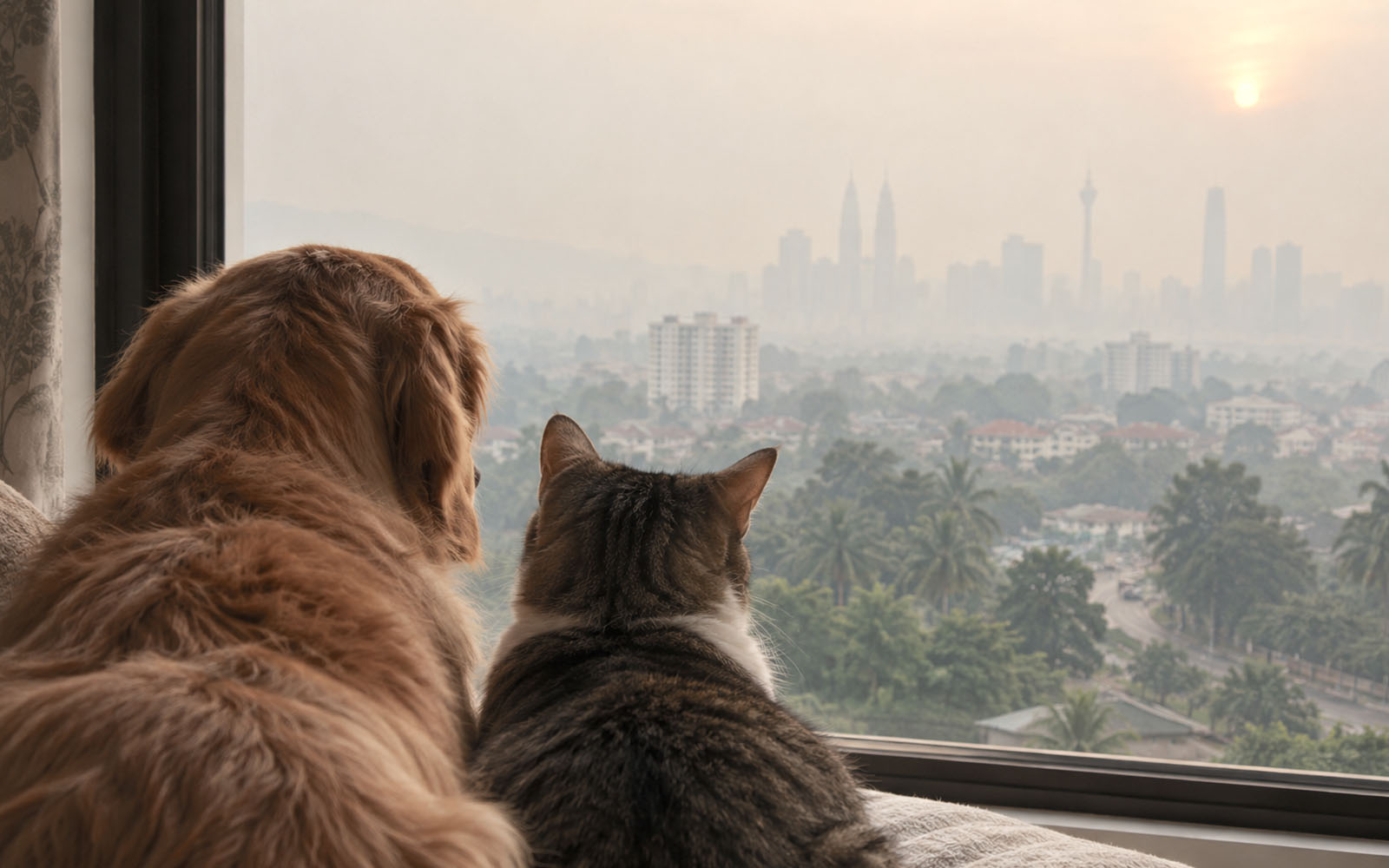
Haze can have adverse effects on pets, a concern that's been highlighted as the air quality remains poor. Animal lovers are questioning the extent to which polluted air can impact our furry friends. While the post about a cat's death due to haze has sparked this discussion, it's important to note that a single case cannot confirm haze as the cause. However, veterinarians agree that pets are susceptible to respiratory problems when exposed to fine particles in the air.
Cats and dogs share the same respiratory system as humans, and when the environment is unhealthy due to haze, it can affect their lung health. Fine particles in the air can irritate the respiratory tract, causing inflammation and making it harder for animals to breathe. Pet owners should be vigilant for symptoms like breathing difficulties and watery eyes, although these signs may also indicate other health issues.
Animals with pre-existing respiratory problems like asthma, older pets, and those with heart disease may be more vulnerable during periods of poor air quality.
Veterinarian Dr Muhammad Naim Kasim advises pet owners to keep their pets indoors and maintain good indoor air quality if they have heart disease, respiratory problems, or other health conditions. While staying indoors may not completely eliminate exposure, as haze particles can enter homes through open windows and doors, it can still significantly improve the pet's comfort and health.
Prolonged exposure to polluted air can worsen lung inflammation if an affected animal doesn't receive proper treatment. If left untreated for too long, inflammation can lead to the animal's death. However, it's crucial not to jump to conclusions and assume every cough, watery eye, or breathing problem is caused by haze. These symptoms can arise from various illnesses, and a veterinary examination is necessary to determine the underlying cause.
Treatment options may include oxygen therapy, medication, anti-inflammatory drugs, or antibiotics, depending on the specific issue.
In conclusion, if your pet is struggling to breathe, it's essential to seek veterinary attention without delay.
Written by urgent.news from Free Malaysia Today's reporting — not their text. Machine-written — may contain errors; check the original before relying on it.
Also reported by 1 other outlet
- Haze can affect your pets, too freemalaysiatoday.com