Haj queue: Bridging disconnect between aspiration and financial readiness
LETTER: While the aspiration to perform haj should be encouraged, the waiting list increasingly records that aspiration without adequately indicating whether prospective pilgrims will be financially prepared when their turn arrives.
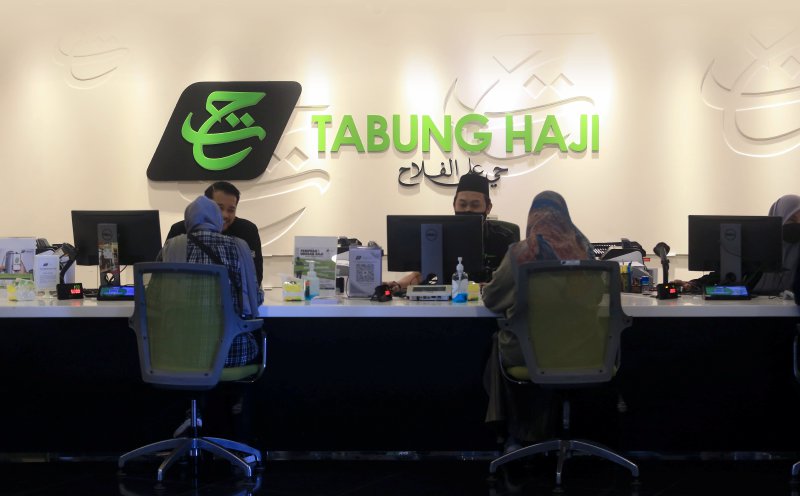
The aspiration to perform the hajj should be encouraged, but the waiting list reveals a disconnect between desire and financial readiness. In the 2025 haj season, over 15,000 prospective pilgrims, representing half of those who received offers, declined or postponed their departure due to lack of savings. This led Tabung Haji (TH) to offer remaining places to other applicants, complicating quota management.
The question arises whether those in the queue have a realistic chance of accepting an offer when their turn arrives. The introduction of a RM15,000 minimum savings balance requirement for automatic queue registration, called Seruan Istito ah, aimed to bridge this gap. However, it is not a comprehensive measure of financial readiness; it also reflects physical readiness, safety, and the ability to fulfill responsibilities.
The RM15,000 benchmark is an administrative indicator, representing about 45% of the current cost of the hajj. It indicates that the prospective pilgrim has started saving, but it does not guarantee full capability, which also depends on health, family responsibilities, and personal circumstances. Lower-income households should not be unfairly penalised, and a gradual approach is recommended.
Existing registrants have until December 31, 2028, to reach the RM15,000 balance while retaining their queue eligibility. The benchmark should be periodically reviewed as economic conditions change. The true test of Seruan Istito ah is whether it makes the waiting list more credible without turning financial capability into an insurmountable barrier.
Written by urgent.news from New Straits Times's reporting — not their text. Machine-written — may contain errors; check the original before relying on it.