Gyeonggi Province faces sustainability test as spending cuts meet resistance
Gyeonggi Province’s fiscal emergency is exposing a growing dilemma for local governments nationwide: how to meet rising spending obligations with volatile revenues when attempts to cut funding face strong resistance. Gyeonggi Gov. Choo Mi-ae’s warning about the finances of Korea’s most populous province, followed by the restoration of child care funding after intense protests, has highlighted…
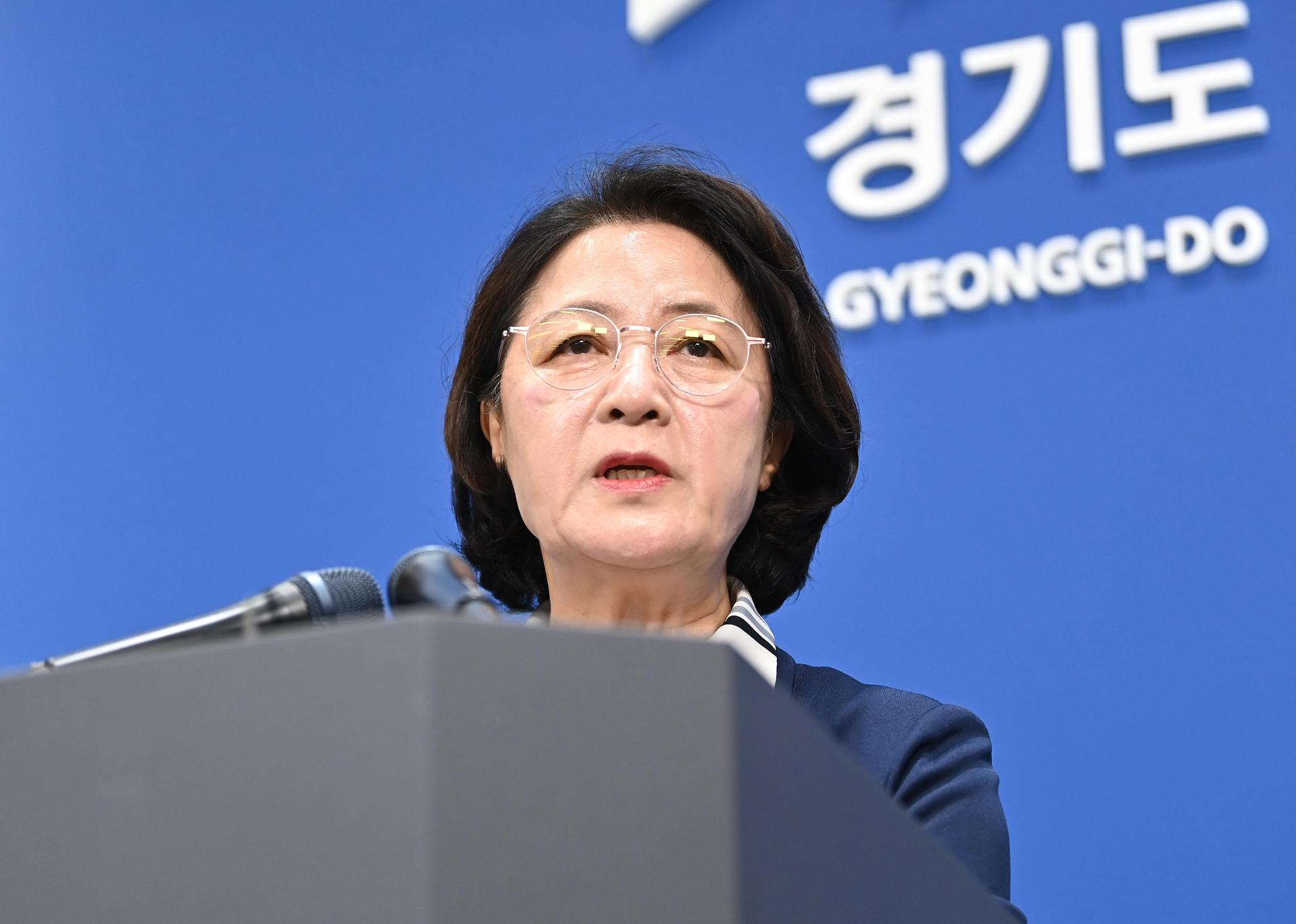
Gyeonggi Province, home to the largest population in South Korea, is facing a significant fiscal emergency that is raising questions about how local governments nationwide can manage increasing expenses with unpredictable income sources. In response to mounting fiscal pressures, the province's governor, Choo Mi-ae, issued a warning regarding the financial situation of the most populous province in the country.
Her call for reform has been met with resistance, as evidenced by the recent reinstatement of child care funding following intense protests from the public.
The issue has sparked a debate among experts on the extent to which funding reforms and spending cuts should be prioritized. However, there is a consensus among experts that municipal governments need to evaluate their ability to fulfill long-term financial commitments. Recent figures reveal the extent of the strain on the province's resources.
As reported by the province, its budget for the current year has reached 42.21 trillion won, equivalent to approximately $32 billion, following the allocation of a supplementary budget.
Welfare spending has seen a substantial increase over the past eight years, soaring from 7.01 trillion won in 2018 to a staggering 18.86 trillion won in 2026. Concurrently, provincial matching contributions for centrally funded programs have nearly doubled, climbing from around 1.4 trillion won to 2.7 trillion won. Despite these financial challenges, the province's overall fiscal balance remains uncertain, highlighting the need for a comprehensive examination of funding strategies and spending priorities.
Written by urgent.news from The Korea Times's reporting — not their text. Machine-written — may contain errors; check the original before relying on it.
This story
This is one outlet's version. Read the fullest account.