“Grandma, I’ll come and save you”: The human stories behind the ruins of Epicentr’s last logistics hub
When Russian drones destroy a business, the news usually comes down to numbers: the number of strikes, the area engulfed in flames, the value of property lost. But behind those numbers are people who lose a part of their own lives along with the building.
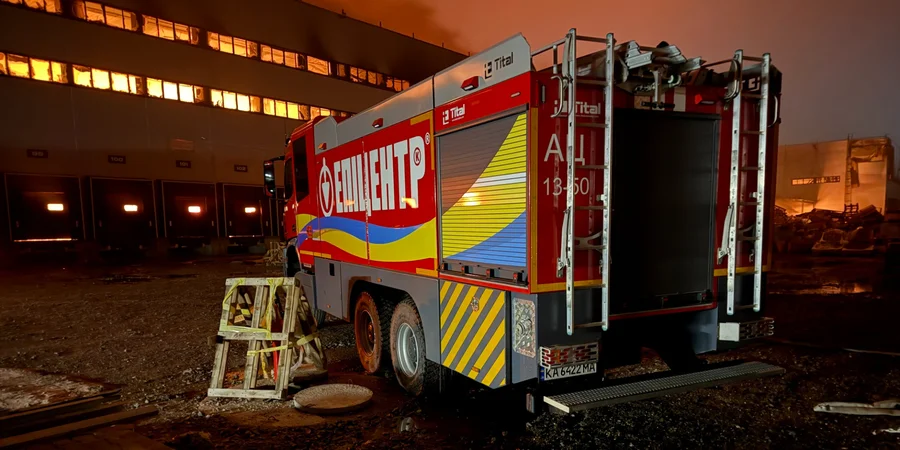
When Russian drones destroy a business, the news usually comes down to numbers: the number of strikes, the area engulfed in flames, and the value of property lost. However, behind those figures are the stories of people who lose a part of their lives alongside the building. On the day following the Russian attack on Epicentr's logistics hub in Khmelnytskyi, we witness the human side of this devastation.
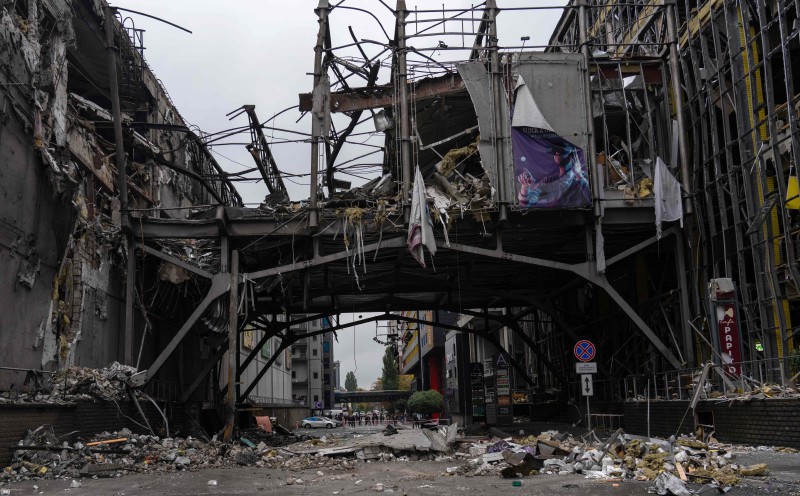
Entering the now-barely-standing complex, we see the surviving walls standing tall amidst the ashes. The once-thriving modern logistics center has been reduced to a desolate, burnt-out shell. Thousands of square meters of premises, hundreds of thousands of products, and expensive machinery have been lost. But more than that, hundreds of jobs and people's futures have been shattered.
Standing among the ruins, one can't help but understand the profound impact of such destruction. It's more than just the loss of a building; it's the splitting of hundreds of lives into "before" and "after." Within minutes, we hear a story of one of those affected. Borys Yasenko, the director of Epicentr, shares with us the harrowing experience of his warehouse manager, Oleksandr Bilous. Oleksandr was among the first to arrive at the scene after the attack began and stayed until the final drone had struck.
Despite the danger, Oleksandr and his colleagues attempted to contain the fire and salvage some of the property. After each new strike, they had to start anew. His wife brought him fresh clothes multiple times during the day, yet he remained, not due to negligence but because the warehouse housed hundreds of people's livelihoods. This is the Ukrainian spirit – ordinary people rising to extraordinary circumstances.
The director of the logistics complex reveals that Epicentr's founders, along with other executives, headed straight to the site upon learning of the first explosions, only to find the warehouse already ablaze. Despite the danger, they refused to leave, battling the flames for hours as Russian drones continued to strike. The enemy deliberately sent drone after drone to prevent the fire from being extinguished.
The Epicentr logistics complex in Khmelnytskyi was exceptional in scale and technology. It handled a wide range of goods, from food to oversized products, and took five years to build. The company had ambitions for further automation and the construction of a 35-meter-high digital warehouse. On October 13, Russian drones attacked the complex repeatedly throughout the day, causing widespread destruction. Preliminary estimates suggest that around 85% of the goods were lost.
More than half of the 470 employees were women, many of whom commuted from surrounding villages, finding stable jobs close to home. However, this destroyed warehouse represents a broader story – of people trying to save not only their lives during the attacks but also the place where they worked. Valentyna Sasiuk, a cleaner at the facility for about a year, recounts her harrowing experience.
Upon hearing the news of the attacks, her family could not reach her. Her grandson, almost six years old, stayed awake, worrying until she finally answered his call.
In the face of adversity, Ukrainians display a resilience that is deeply moving. Standing amidst the ruins of Epicentr's logistics hub, one cannot help but be struck by the profound human stories that lie behind the statistics and the sheer determination of people to preserve their way of life, even in the darkest of times.
Written by urgent.news from New Voice of Ukraine's reporting — not their text. Machine-written — may contain errors; check the original before relying on it.