El Niño effect: Something is happening in the Pacific Ocean. Could it change the UAE's winter?
Dubai: Winter in the UAE usually brings welcome relief from the heat. This year, it could also bring more rain than usual, as one of the world's most influential climate patterns approaches its expected peak. El Niño, which develops when large areas of the tropical Pacific Ocean become unusually warm, is forecast to reach very strong levels in October and November, potentially influencing…
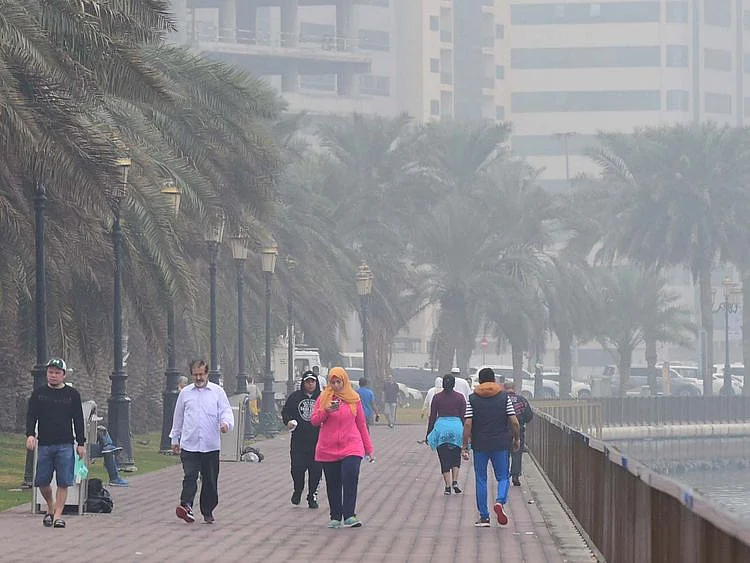
Dubai experiences a typically cool and dry winter as part of its seasonal climate. However, the arrival of a strong El Niño weather pattern from October to November could bring significant shifts in rainfall and temperatures.
According to the National Centre of Meteorology (NCM), there is a 96% probability that El Niño will reach its peak during this period. This means the UAE could see rainfall that is above average, potentially leading to wetter conditions than usual for winter.
El Niño is a naturally occurring climate cycle originating in the Pacific Ocean, with its effects rippling across the globe. When ocean surface temperatures become unusually warm, atmospheric circulation patterns change, influencing weather systems around the world. In the UAE, El Niño's impact is felt most strongly during winter when the country sees most of its annual precipitation.
Research suggests that stronger El Niño events are often linked to increased moisture flow from the Red Sea and Arabian Sea towards the Arabian Gulf. This additional moisture, combined with changing wind patterns and weather systems, can create conditions more conducive to rainfall. However, the presence of El Niño alone is not enough to guarantee rain. Local atmospheric factors such as moisture availability, air instability, and weather systems capable of generating clouds and precipitation still play a crucial role.
While the NCM expects near or above average rainfall between November and March, they have not specified how much more precipitation the UAE might receive. Rainfall distribution could be uneven, with some areas experiencing heavy downpours while others see little rain. Additionally, rainfall patterns can vary between different parts of the country.
Historically, the UAE experienced its heaviest rainfall on record in April 2024, with over 250 millimetres of rain falling in a single day in certain areas. While a strong El Niño can contribute to the conditions that might lead to such extreme events, it is not a direct cause. April 2024's heavy rainfall was influenced by a combination of atmospheric disturbances and warm sea surface temperatures, rather than solely by El Niño.
The combination of possible increased rainfall and warmer temperatures during the upcoming winter could lead to a milder overall winter for the UAE. However, cooler days and nights are still expected. The 96% probability of El Niño conditions does not directly translate to a specific increase in temperatures or rainfall in the UAE. Meteorologists can forecast the development of major climate patterns months in advance, but their influence on regional weather remains less certain.
In summary, while the UAE might experience more rain and warmer temperatures during this winter, the extent of these changes remains uncertain. Further monitoring and updates from the National Centre of Meteorology are needed to assess the potential impacts of El Niño more accurately.
Written by urgent.news from Gulf News's reporting — not their text. Machine-written — may contain errors; check the original before relying on it.