Designing Zero-GC Hot Paths in .NET With Explicit Memory Ownership
A practical guide to allocation-free hot paths, unmanaged memory, reusable buffers, and Zero-GC architecture in modern .NET, APIs, and Unity games.
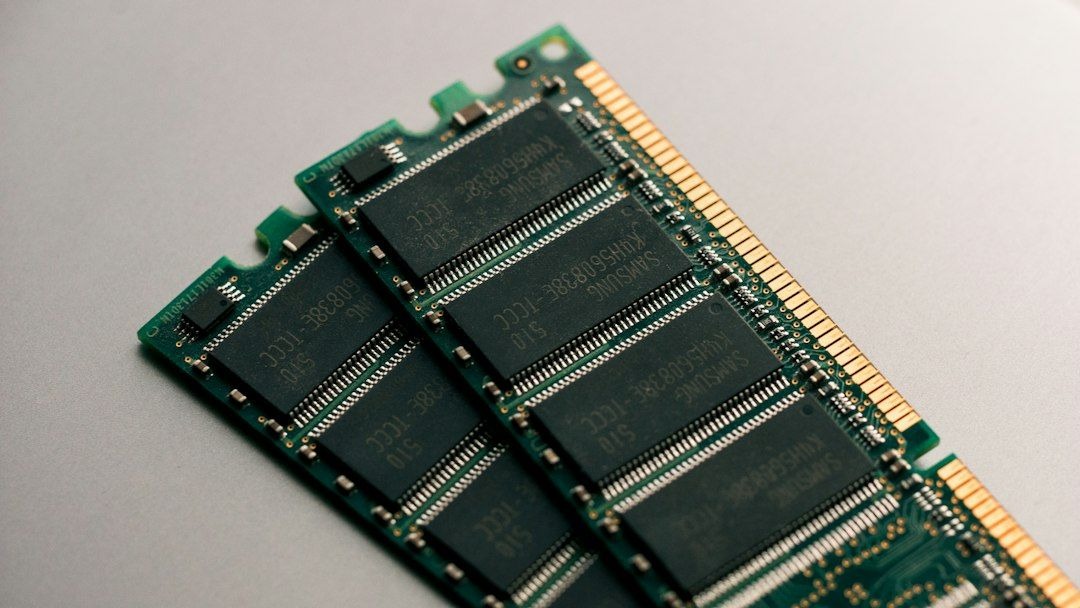
Garbage collection is a powerful feature in modern managed programming languages, simplifying memory management and preventing common errors. However, it introduces performance considerations, particularly in latency-sensitive applications. In systems like game engines, backend APIs, and desktop applications, predictable memory usage and fewer allocations are crucial.
Zero-GC programming offers a solution by designing critical execution paths that avoid new managed heap allocations during normal operation. It doesn't require disabling the garbage collector or eliminating managed memory altogether. Instead, it moves allocation and resource management away from performance-critical areas.
In .NET, memory is managed through the managed heap, stack storage, and memory outside the managed runtime. Managed heap allocations, while often fast due to pointer bumping, can lead to increased managed heap usage and garbage collection pauses. Value types, when used appropriately, can be stack allocated, reducing reliance on the managed heap. Unmanaged memory, allocated outside the garbage-collected heap, provides direct control over memory but requires the developer to handle memory safety.
Implementing a performance-effective architecture involves allocating during initialization, reusing memory during execution, and releasing resources during shutdown. This approach can be applied in critical loops, ensuring no new managed objects are created. For instance, updating positions and velocities in a game engine can be achieved without allocating managed objects, maintaining low latency.
Even if the CLR performs garbage collection in other areas, the absence of allocations in key performance-critical sections is beneficial.
In everyday applications, hidden allocations in string creation can be mitigated by using Span and TryFormat, allowing for controlled, allocation-free formatting. Zero-GC programming thus offers a practical path to optimizing performance in latency-sensitive applications without completely abandoning managed memory.
Written by urgent.news from HackerNoon's reporting — not their text. Machine-written — may contain errors; check the original before relying on it.