Cotton arrivals jump 7.5pc as textile crisis deepens
• Industry says 500 ginning factories, over 150 textile mills closed • Ginners allege imported inputs meant for re-export are being sold locally LAHORE: Cotton arrivals at ginning factories rose 7.53 per cent year-on-year to 4.08 million bales by Oct 15, but the domestic cotton and textile industries are facing a deepening crisis, with around 500 ginning factories, over 150 textile mills and…
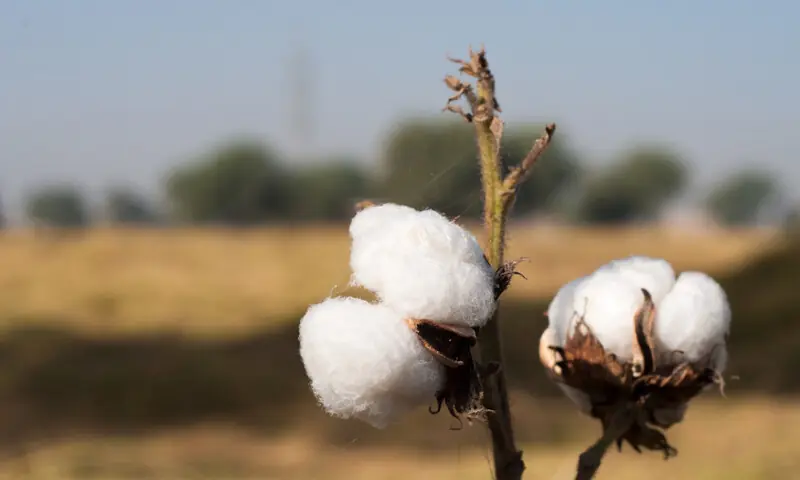
Cotton arrivals at ginning factories in Pakistan surged 7.53 percent year-on-year to a total of 4.08 million bales by October 15, according to industry figures. However, the domestic cotton and textile industries are grappling with a severe crisis, with around 500 ginning factories, over 150 textile mills, and nearly half of the country's power looms reportedly idle.
The industry blames rising production costs and alleged misuse of the Export Facilitation Scheme (EFS) for the situation. According to the Pakistan Cotton Ginners Association (PCGA), cotton arrivals reached 4,081,265 bales by October 15, an increase of 285,628 bales from the previous year. Punjab recorded 1.64 million bales, up 7.79 percent, while Sindh's arrivals climbed 7.35 percent to 2.44 million bales.
The top cotton-producing areas in Punjab were Bahawalnagar with 418,750 bales, followed by Bahawalpur with 294,606, Dera Ghazi Khan with 236,514, Rahim Yar Khan with 169,949, and Layyah with 122,327. In Sindh, Sanghar led with 1.14 million bales, followed by Sukkur with 264,500, Naushehro Feroze with 223,200, and Khairpur with 213,900.
A total of 471 ginning factories were operational nationwide. Despite a total of 872,863 bales arriving in the preceding fortnight, only 531,530 bales were unsold due to textile mills purchasing 3.45 million bales and exporters buying 97,000 bales. Industry representatives attribute the crisis to rising costs and the misuse of the EFS, where imported yarn and fabric intended for re-export is allegedly sold domestically.
The All Pakistan Textile Mills Association (Aptma) has welcomed Customs actions against the alleged misuse and called for restrictions on imports of man-made yarn and fabric under the scheme. Cotton revival, according to the CCRI, requires policies focusing on production, farmers' profitability, production costs, market access, and lint quality.
Farmers are advised to follow agricultural experts' recommendations for better yields and to monitor pink bollworm infestations. The success of cotton revival should be measured by farmers' net income per acre, rather than just the volume of arrivals at ginning factories.
Written by urgent.news from Dawn Business's reporting — not their text. Machine-written — may contain errors; check the original before relying on it.
This story
This is one outlet's version. Read the fullest account.