Beyond profits, oil palm investors in S’pore must demand accountability over haze
SGX-listed firms under scrutiny for the recent haze have long had measures against fire risks, but the problem keeps recurring as they collectively report hundreds of fires annually.
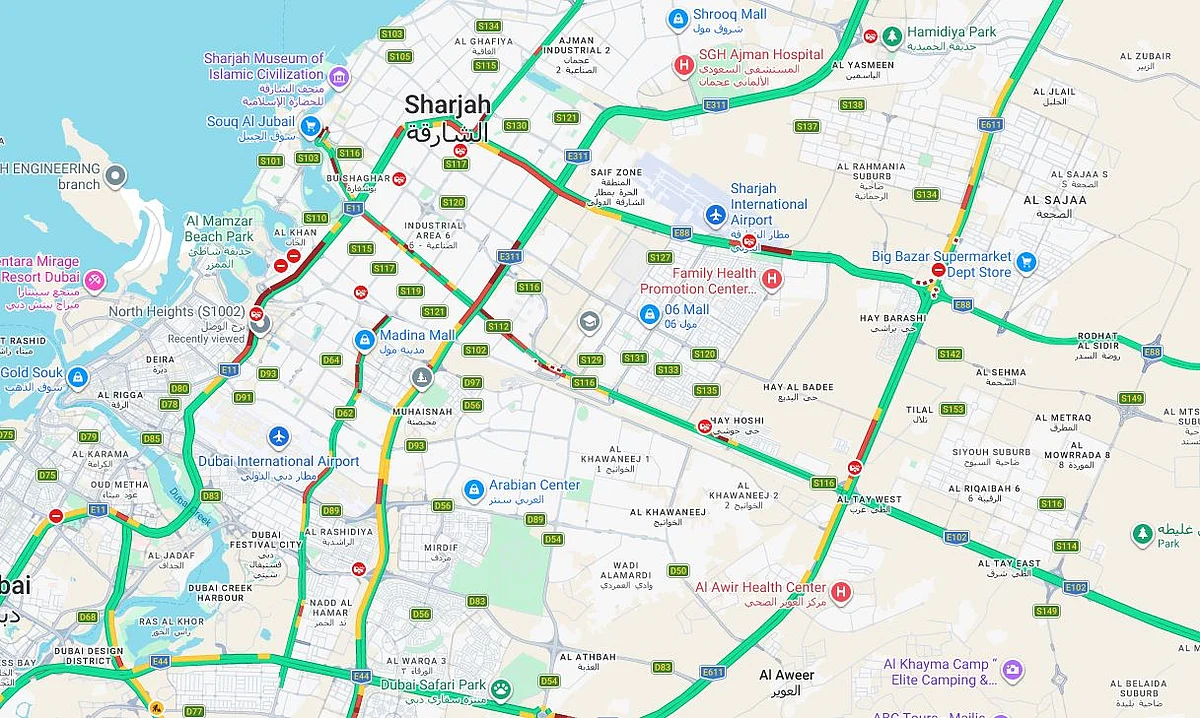
Singapore's National Environment Agency has issued notices to seven Indonesian palm oil companies, suspecting their fire-prone concessions may have contributed to smoke reaching Singapore. While specific companies like First Resources, Bumitama Agri, and Kencana Agri have explained that fires in their concessions did not significantly impact their operations, investors must consider the wider consequences of these fires.
These include lost productivity, tourism disruption, and increased healthcare spending in Indonesia and neighbouring countries. Investors should ask not just about production and profits, but how well the palm oil companies managing these concessions are mitigating fire risks. Companies have disclosed their firefighting measures, including fire-prone maps, ground verification, firebreaks, water storage, and emergency response teams.
However, the effectiveness of these measures and what should happen if fires recur are yet to be fully assessed. Investors need to evaluate whether these companies are truly operating responsibly and whether investing in them is a wise decision, considering the full spectrum of costs and impacts.
Written by urgent.news from Straits Times Business's reporting — not their text. Machine-written — may contain errors; check the original before relying on it.