AI isn't Asia's only game in town
AS doubts mount over Asia’s artificial intelligence boom, some of the region’s strongest returns are building far from the hype.
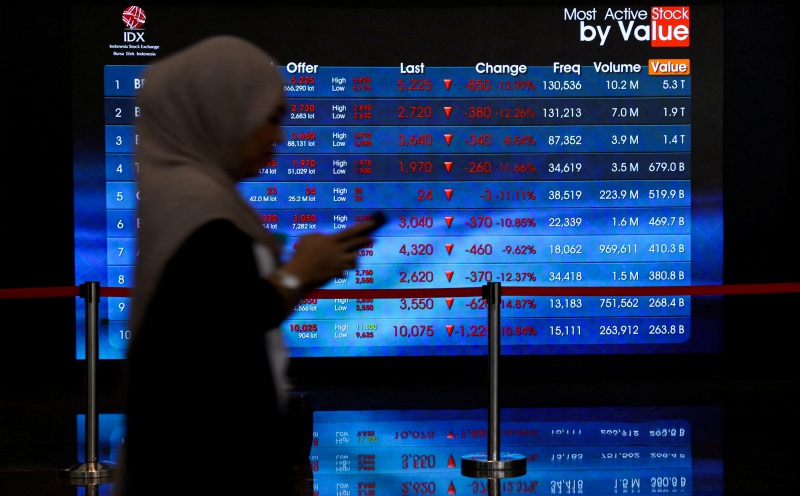
Recent reports suggest that artificial intelligence may not be the sole catalyst behind Asia's market surge. While many focus on the technology sector, other industries are also contributing significantly to the region's economic growth. In fact, six of Asia's top-performing sectors this year are non-technology-related, encompassing financials, energy, industrials, and process industries.
It's worth noting that some overlap exists between these sectors and AI-driven investments, as new infrastructure requirements for data centers are driving demand in power generation, grid infrastructure, and industrial cooling. However, geopolitical tensions and high energy prices also play a role in these sectors' success. While concerns about a slowdown in the tech boom may impact Asian markets, they may not bring the surge to a halt.
Rising global defense spending has been a significant driver of investment worldwide this year, driven by escalating military tensions, particularly in the Middle East and Europe. NATO members, responsible for 65% of global defense expenditure, committed in June to increase their annual defense spending to 5% of gross domestic product by 2035. The conflict in the Middle East has further highlighted the vulnerability of Gulf countries and given Asian defense manufacturers an edge in delivery times and prices.
Additionally, there is a growing trend of "insourcing" defense manufacturing in several Asian nations, with India aiming for 70% defence indigenisation by next year, Indonesia targeting 60% local content in defence equipment by 2030, and Vietnam seeking 50% domestic inputs in select armaments by 2030. These developments are also driving a broader infrastructure buildout globally, including reinforced bridges, roads, ports, railways, and fortified energy grids.
McKinsey forecasts US$106 trillion in global infrastructure investment through 2040, with Asia accounting for roughly 65% of that.
Furthermore, Asia's leadership in clean energy technologies could further benefit from the global drive for energy independence, as countries seek alternatives to crude oil, particularly renewables such as solar power, battery energy storage, offshore wind, and electric vehicles. Chinese electric vehicle makers BYD and Geely, as well as battery titan CATL, already generate a significant portion of their revenue abroad.
Written by urgent.news from New Straits Times's reporting — not their text. Machine-written — may contain errors; check the original before relying on it.