A glimpse inside the painstaking process of bringing a subway car to life
Although the subway system is New York City’s bloodstream, most riders rarely slow down to wonder where the giant metal cars came from, or where they go after their last stop. Now, a new photography exhibit is transporting passersby into the spaces where the city’s subways and buses reside when they’re off duty, and even the spaces where they’re made. Commissioned by MTA Arts & Design, In…
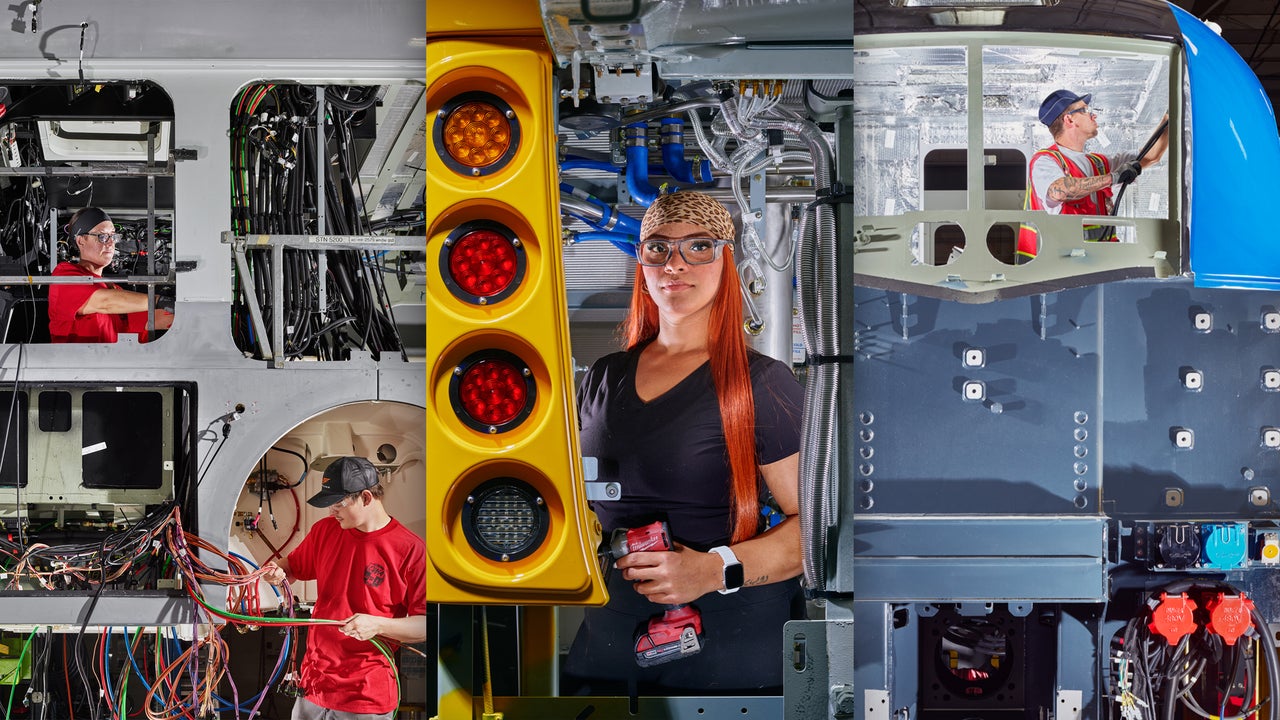
New York City's subway system, vital to the city's daily operations, often remains a mystery to its riders, particularly regarding the creation and maintenance of the massive metal cars. A new photography exhibit, "In Service: MTA Photographs by Christopher Payne," sheds light on the hidden world of the city's transit system, offering an exclusive behind-the-scenes look into the facilities that make the MTA's machines function.
Commissioned by the MTA Arts & Design, the exhibit is displayed in five locations in Manhattan and Brooklyn using 52 light boxes.
Christopher Payne, the photographer, became fascinated by the 207th Street Overhaul Shop, a 43-acre facility where subway cars undergo repairs. The shop, constructed between the late 1920s and early 1930s, primarily services the R62 trains—orange-seated cars that run on the numbered subway lines. Payne's fascination with these spaces began as a personal project, eventually evolving into a story for The New York Times.
The MTA later granted him unprecedented access to various shops and factories across the city and the country involved in building New York's transit cars.
Payne's photographs capture a diverse range of scenes, from a partially assembled car at a Nebraska train factory to moments of camaraderie between workers in a bus factory in Minnesota. The exhibit also includes images from locomotive factories in California, serving the Long Island Rail Road (LIRR) and MetroNorth. Payne's style is intentional and "styled, not staged," focusing on capturing the large-scale machines and the human connection within the industrial environment.
By showcasing both the machinery's grandeur and the personal relationships among the workers, the exhibition reveals diverse aspects of these machines' journeys—from manufacturing to daily maintenance.
Written by urgent.news from Fast Company's reporting — not their text. Machine-written — may contain errors; check the original before relying on it.