5 tools I rely on to detect AI-generated text, photos, and videos
Text detectors highlight mixed authorship and AI fingerprints, while browser extensions make on-the-spot analysis painless
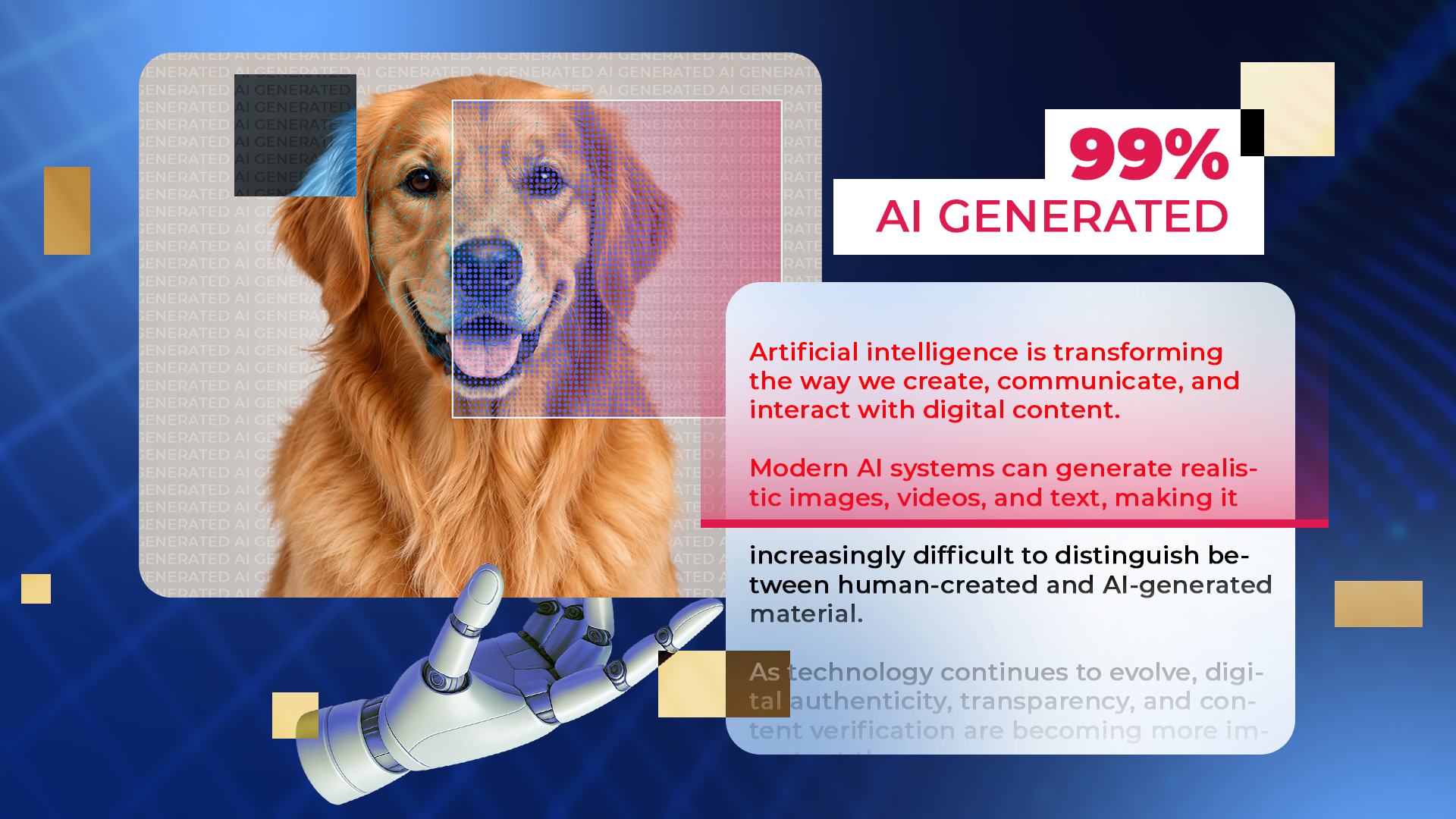
In today's world, artificial intelligence has become remarkably realistic. Platforms like Gemini and ChatGPT generate human-like text, making it difficult to distinguish AI-generated content simply by counting fingers or spotting excessive em dashes. While careful examination may reveal subtle clues, thorough investigation is often impractical. Fortunately, there are several detection systems available to help verify the authenticity of AI-generated media.
Google's SynthID Detector is one such tool, now accessible to everyone. It not only checks images generated by Gemini but also scans for watermarks from other AI platforms like ChatGPT, Nvidia, and Kakao. The service offers a free account with 10 checks per day, allowing users to upload media in various formats, including images, videos, and audio files. However, text verification is not yet supported by SynthID Detector.
Another method of detecting AI-generated content involves examining Content Credentials (C2PA) metadata, an open industry standard maintained by the Coalition for Content Provenance and Authenticity. Camera manufacturers such as Canon and Nikon embed C2PA metadata in their photos to prove their authenticity. Adobe, a founding member of C2PA, enables this feature in Photoshop and Firefly, while Google embeds it in Gemini images.
Unfortunately, C2PA metadata can be removed by basic edits or when sharing content on social media platforms, so checking the original photo is essential.
Pangram is another valuable tool for detecting AI-generated text. This service goes beyond a simple yes-or-no answer, providing a percentage and highlighting AI-generated passages compared to human-written ones. Users can input text directly on the website or use the Pangram Chrome extension to scan selected text across various websites. The service operates on a word-based credit system, with free users receiving 20 non-rollover credits per day, each covering 100 words.
For forensic analysis of suspicious images, Hive can be used to check for telltale signs like pixel artifacts in photos and video frames. While the results are only educated guesses, they can provide valuable insights into the likely AI models used. Hive's website caters to enterprise users, but the official Hive AI Detector Chrome extension offers a more accessible option for casual users. The extension allows for unlimited image scanning, with text analysis limited to 1,000 words per day.
While no single tool can guarantee 100% accuracy in detecting AI-generated content, using a combination of these tools offers a practical approach. SynthID Detector, C2PA metadata, Pangram, and Hive can help verify the authenticity of images and text, providing peace of mind in an increasingly AI-driven world.
Written by urgent.news from Android Police's reporting — not their text. Machine-written — may contain errors; check the original before relying on it.