Youth connect: 18 young achievers share their personal encounter with RSS, changed perceptions in centenary book
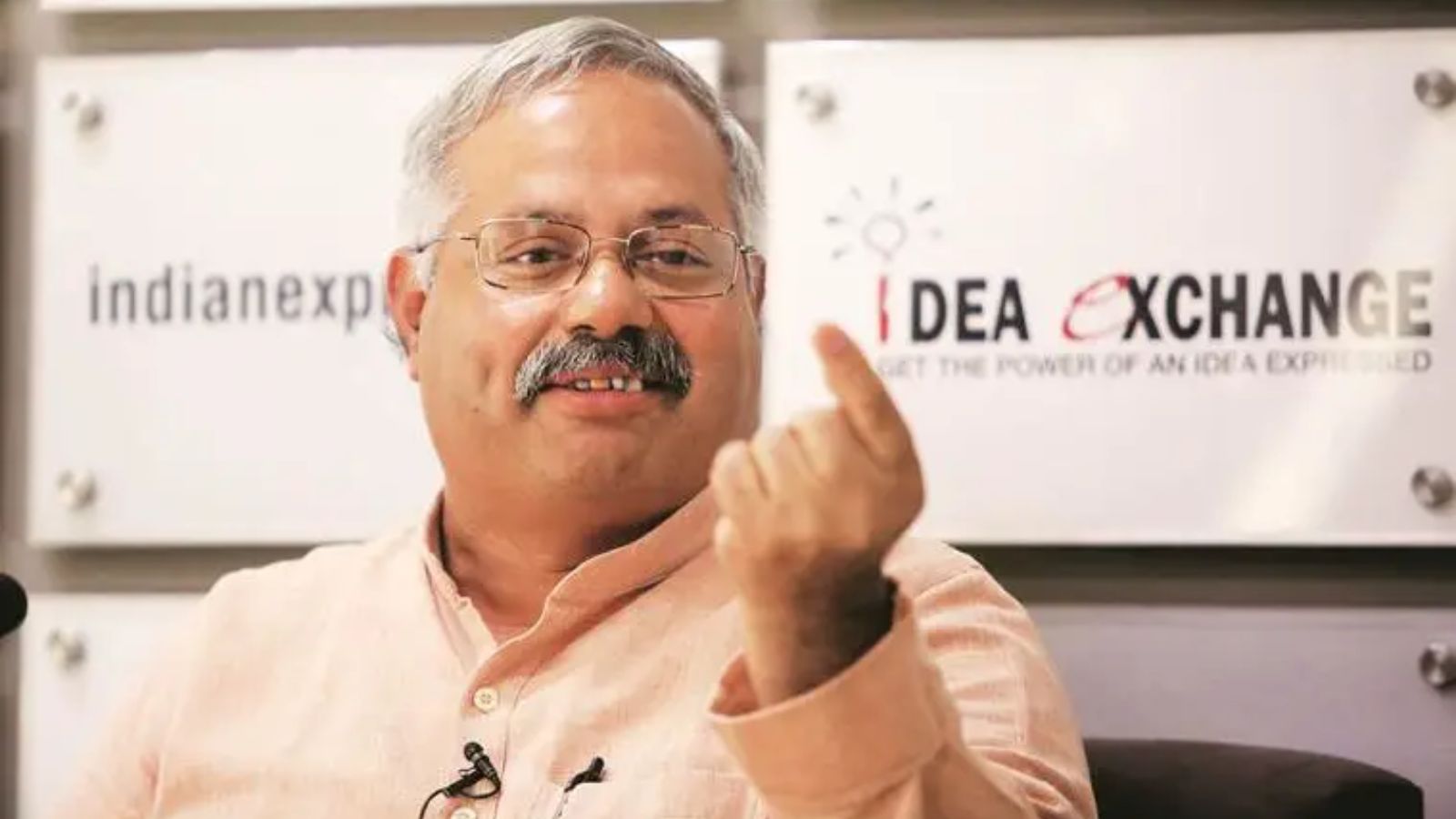
As the Indian government faces pressure from youth protests on matters like competitive exams and voter lists, the RSS has released a book featuring 18 young people who have interacted with the organization. Titled "Hundred Years Young: Rashtriya Swayamsevak Sangh," the book is published on the eve of the RSS's centenary celebrations.
Edited by Rashmi Samant, the first female president of the Oxford University Students Union, the book features a range of achievers aged under 40, including entrepreneurs, sportspersons, actors, and activists. They share their personal experiences and encounters with the RSS, which contrasts with their initial perceptions of the organization.
The contributors express that the RSS is often misunderstood, particularly on issues involving Muslims, minorities, and social conservatism. One essay states that the RSS's ability to persevere despite challenges has drawn young people to it, helping provide them with a sense of purpose.
The book's foreword by RSS leader Sunil Ambekar emphasizes the organization's unique leadership model, which stresses responsibility over recognition. Ambekar argues that the RSS focuses on serving a larger cause rather than seeking personal fame.
The contributors recount personal experiences and observations, highlighting how their views of the RSS have changed through direct interactions. One LGBT rights activist recounts his initial apprehension about presenting his arguments to the conservative organization, but found that the RSS was receptive to discussions about sexual minorities' place in India's history.
The book aims to bridge the gap between public perceptions of the RSS and the experiences of those who engage directly with the organization. It follows the RSS's efforts to expand its engagement with younger generations, including a gathering with around 2,000 Gen Z and Gen Alpha students in Mumbai, where the leader described the concerns of young people as "genuine" and emphasized the legitimacy of protest as a democratic process.
Written by urgent.news from The Indian Express - India's reporting — not their text. Machine-written — may contain errors; check the original before relying on it.