Why UAPA demands urgent reform
UAPA’s vague provisions, stringent bail conditions and inconsistent judicial interpretations have enabled the prolonged imprisonment of activists, scholars and journalists without trial; Prof. G.N. Saibaba’s experience shows the urgent need to reform a legal regime that undermines civil liberties, due process and rule of law
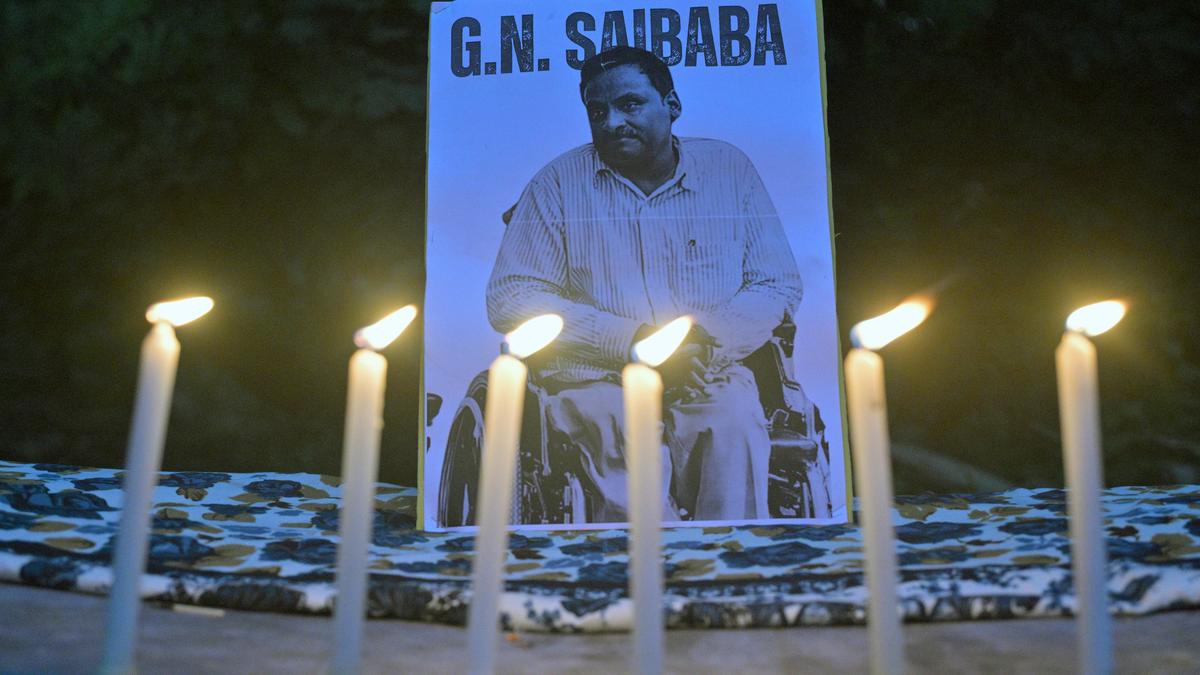
The anniversary of Professor G.N. Saibaba's death on October 13, 2024, serves as a stark reminder of the urgent need for reform in the Unlawful Activities Prevention Act (UAPA), a law that has been widely used to incarcerate political dissenters, scholars, and activists without due process. Saibaba, a 90% physically disabled professor at Delhi University, was arrested in 2014 under UAPA allegations of links with Maoists.
After a decade in prison, including solitary confinement, he was vindicated by the Bombay High Court in 2024, with his conviction overturned. However, his experience illustrates the grave consequences of UAPA's vague provisions, stringent bail conditions, and inconsistent judicial interpretations, which have collectively undermined civil liberties and rule of law.
Written by urgent.news from The Hindu's reporting — not their text. Machine-written — may contain errors; check the original before relying on it.