Why Republicans’ $1 billion election war chest is failing to translate into votes in the US midterms | Explained
Republicans have spent heavily on midterm races, backed by a nearly $1 billion war chest and major donations from Elon Musk, but their financial edge has not shifted polling or delivered proportionate advertising exposure.
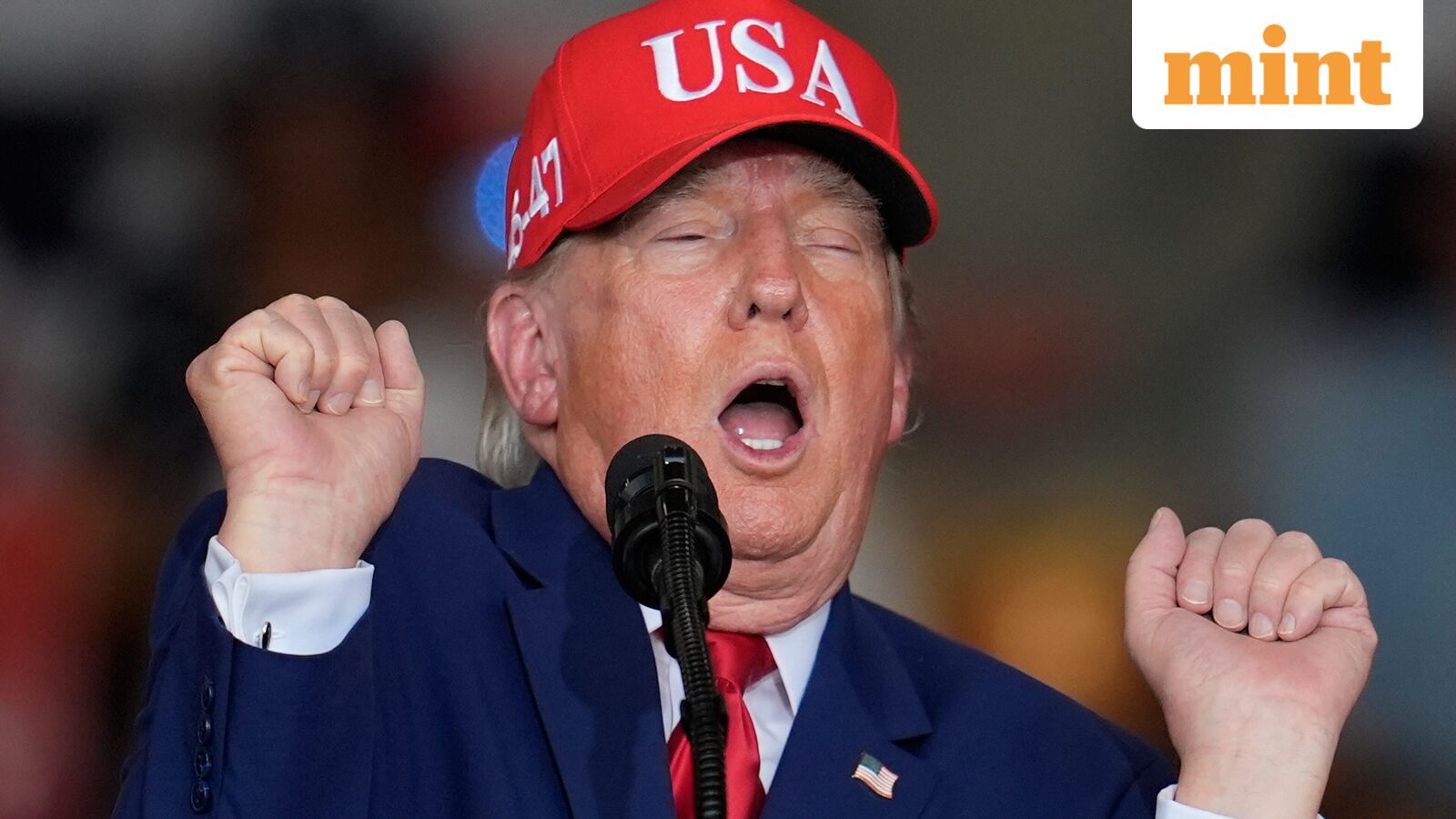
Republican groups amassed nearly $1 billion ahead of the US midterm elections, expecting it to help overcome a challenging political environment. However, despite a massive spending spree, polling trends have remained stagnant, forcing the party to shift funds from potential wins to defending vulnerable seats. According to CNBC's analysis of AdImpact data, Republican groups poured over $740 million into congressional races between Labor Day and October 14, with more than $220 million coming from groups linked to President Donald Trump.
Billionaire Elon Musk contributed over $276 million to Republican groups since July alone. Yet, Democrats remain ahead in several competitive Senate races, and the Cook Political Report predicts Democrats to flip the House and stay competitive in the Senate. Neil Newhouse, a partner at Republican polling firm Public Opinion Strategies, emphasized that "money is an amplifier, not a magic wand."
The Republican groups entered the final stretch with approximately $1 billion available, compared to $579 million for comparable Democratic groups, based on a CNBC analysis of Federal Election Commission filings. Musk's known federal political contributions during this election cycle total roughly $366 million. Despite pouring more than $113 million into negative advertising aimed at Democrat James Talarico in Texas, he has still outpaced Republican Ken Paxton.
Republican strategists argue that spending has prevented vulnerable candidates from spiraling further behind, but the trend is shifting towards defensive spending. In North Carolina, the Senate Leadership Fund pulled most of its ad reservations for Republican Michael Whatley after spending $32.8 million, as Democrat Roy Cooper maintained a double-digit lead.
The redirection of funds highlights the central issue for Republicans: an advantage that initially promised to expand their electoral opportunities is now being used to limit potential losses.
Written by urgent.news from Live Mint's reporting — not their text. Machine-written — may contain errors; check the original before relying on it.