‘We don’t need charity’: How UP sex workers are turning water hyacinth into craft
Sarla Devi, a sex worker in Biskohar, a bazaar town in Uttar Pradesh's Siddharthnagar district, expressed her desire to develop a skill that can sustain her in her later years and leave a lasting legacy, rather than being stigmatized. Her aspirations were brought to life at the Lakme Fashion Week when models wore garments adorned with hand-spun weaves made from dried water hyacinth fibres.
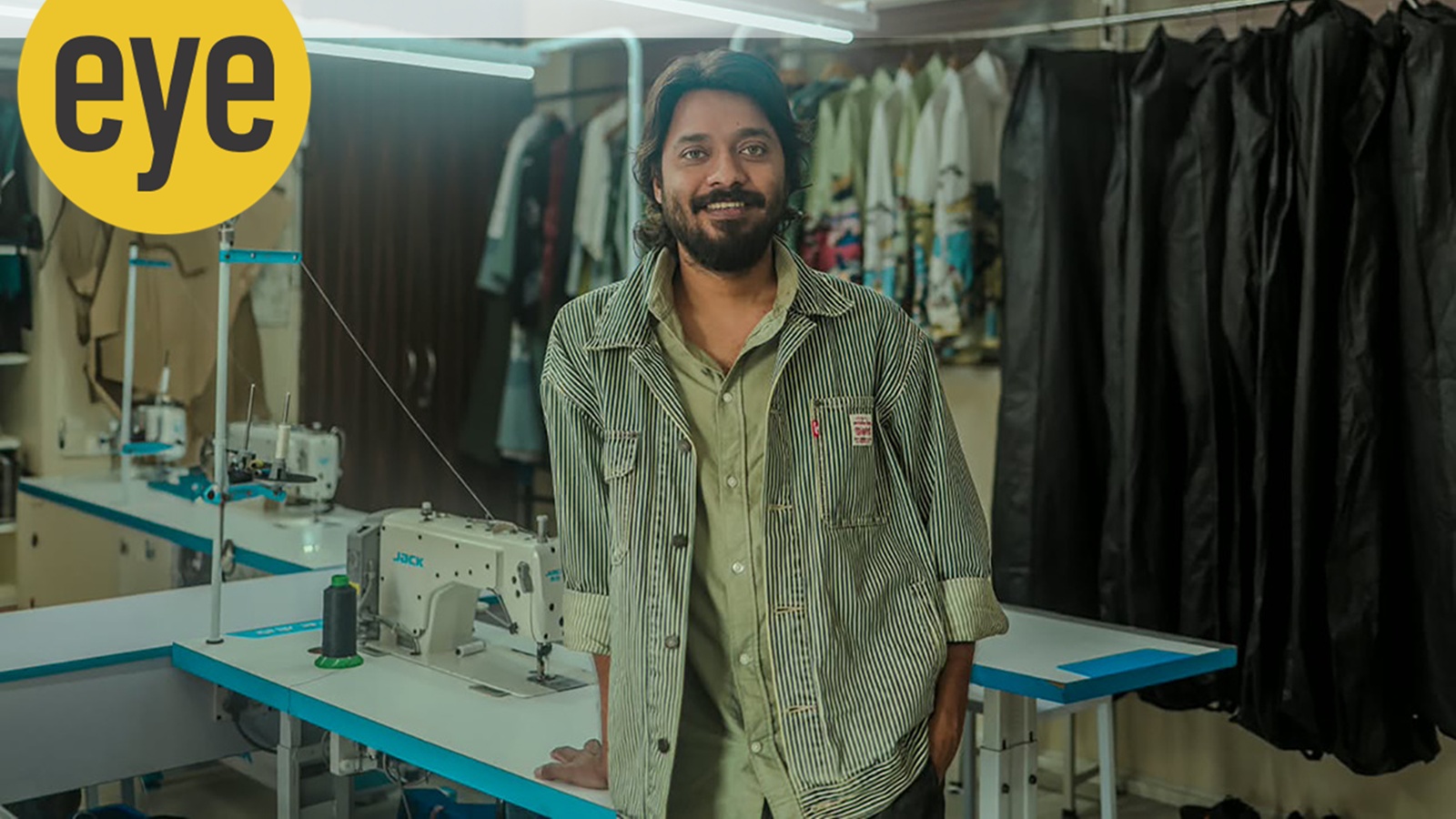
Designer Anurag Gupta, who grew up in Siddharthnagar and faced language and cultural barriers on his journey to design school, discovered the potential of water hyacinth as a sustainable weaving material during a showcase at BharatTech in Delhi. An NGO, Earthomadic Foundation, worked with 200 to 300 sex workers in Biskohar to equip them with artisan skills.
Anurag Gupta's collection at Lakme Fashion Week aimed to help these women transition from being a source of media attention to a source of income for themselves and their families. Water hyacinth, or jalkumbhi, is an invasive aquatic plant that can be transformed into a fibre through drying and cutting into strips. This material can be utilized to create various everyday objects, such as bags, baskets, home accessories, and packaging material.
The leftover plant matter can even be used for handmade paper. Gupta's project explores the development of a product range for sale through diverse channels, including home accessories and packaging for brands and businesses. The metaphor of "nobody's women" resonated with Gupta, who, like the women he works with, came from humble backgrounds and found inspiration in the fashion section of newspapers to pursue their dreams.
Written by urgent.news from The Indian Express's reporting — not their text. Machine-written — may contain errors; check the original before relying on it.