Ukraine's bruising week at the hands of Trump and Putin
In the week when Volodymyr Zelensky had the worst falling out with Donald Trump since the notorious Oval Office ambush 18 months ago, Ukraine's president is also facing a grave financing problem for next year.
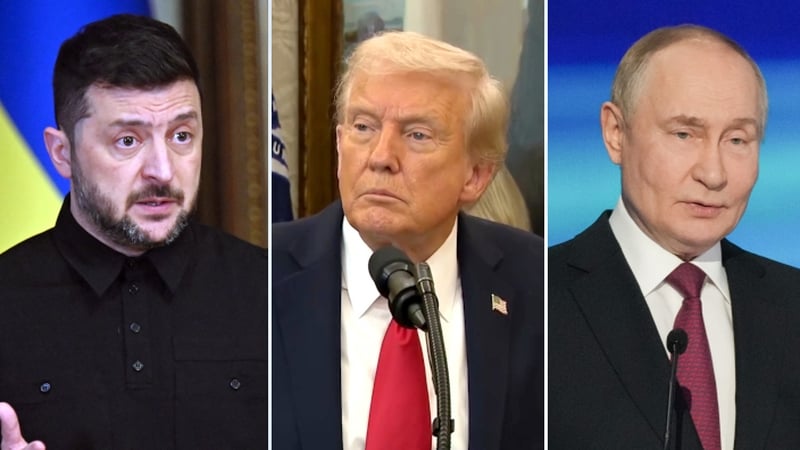
Ukraine experienced a challenging week, marked by a significant dispute with former US President Donald Trump and an escalating conflict with Russia. President Zelensky clashed with Trump, reminiscent of their infamous Oval Office confrontation, after Ukraine objected to halting attacks on Russian oil refineries. In response to Ukraine's refusal, the White House withheld crucial intelligence about impending Russian missile strikes and impeded access to the Starshield satellite system.
Consequently, Ukraine's defense drones could only operate at 70 km/h, insufficient to counter Russia's jet-powered Shahed drones flying at 400 km/h. The escalating conflict has resulted in over 150 civilian deaths in the past ten days, including a recent drone attack on a flea market in Kharkiv that killed two people. Financially, Ukraine is grappling with the repercussions of the ongoing war.
In September, Russian air attacks reached 3,900, a 65% increase compared to the previous year, with 145 targeting energy infrastructure. A significant portion of Ukraine's defense budget is spent on defending against Russian attacks, leaving the nation with limited funds for essential services and infrastructure. As Russia broadens its targets, including civilian areas, infrastructure, and transportation networks, Ukraine's economy suffers, with grain and oilseed exports declining by 30% in the past year.
The nation's financial reserves are dwindling, and only one metallurgical and steel-making plant remains operational, further exacerbating the economic strain. President Putin also aims to weaken Europe's resolve by exploiting the economic burden of supporting Ukraine. The EU must provide substantial financial assistance to sustain Ukraine's defense efforts, as the cost of living in Europe has risen, making it politically challenging to abandon Ukraine.
European leaders are facing a critical decision on how to support Ukraine financially, with options including the utilization of frozen Russian Central Bank assets, currently valued at €210bn, or a traditional loan arrangement. The EU has committed to a €90bn loan for Ukraine's budgetary and military needs, with an additional €100bn in support through the long-term budget.
However, the feasibility of using frozen Russian assets remains uncertain due to potential legal risks.
Written by urgent.news from RTE News's reporting — not their text. Machine-written — may contain errors; check the original before relying on it.
Also reported by 10 other outlets
- Trump waives new Russia sanctions as Ukraine ties slump dawn.com
- Trump waives new Russia sanctions as Ukraine ties slump channelnewsasia.com
- Trump Waives New Russia Sanctions One Week After Diesel Deal newsweek.com
- Trump pauses Russian sanctions package after striking diesel deal with Putin scmp.com
- Trump waives tariffs on largest buyers of Russian oil cbsnews.com
- Trump waives some sanctions, restrictions, duties on Russia in Graham Act jpost.com
- Ukraine's bruising week at the hands of Trump and Putin rte.ie
- Trump Waives Russia Sanctions That Threatened 100% Tariffs On India ndtv.com
- and 2 more