The UK Navy wants to use this cheap, eco-friendly system against drones — high-pressure fire hoses chosen to protect nuclear submarine fleet as 'last line of defence'
Britain is training nuclear submarine crews to use high-pressure fire hoses against drones that penetrate existing naval base security.
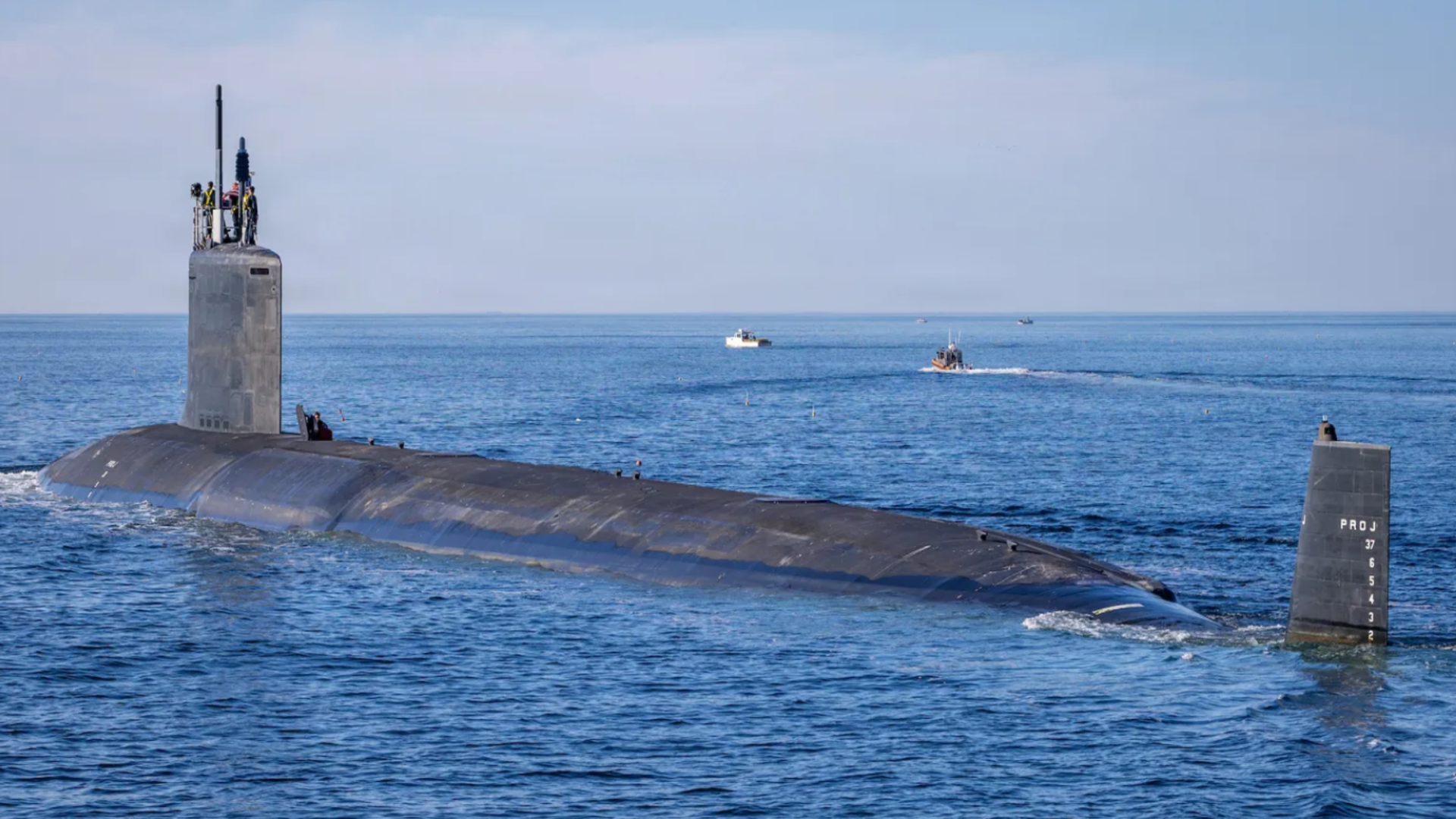
The United Kingdom's nuclear submarine crew is undergoing training to combat drones using an innovative yet affordable method. Instead of relying on traditional anti-aircraft defenses, sailors are being taught to employ high-pressure fire hoses as a last line of defense. These hoses, located on Vanguard-class submarines stationed at HMNB Clyde in Scotland, are designed to fire powerful streams of water at incoming unmanned aerial vehicles (UAVs).
Despite the staggering £4 billion cost of each submarine, which houses Trident II D5 ballistic missiles with nuclear warheads, the water-based protection system offers an environmentally friendly and cost-effective solution. Royal Navy sources acknowledge that the hoses lack the ability to autonomously detect or track drones, but in emergency situations, "you have to use what you've got."
The installation's vulnerability arises from its limited surroundings, including hills, accessible roads, and terrain that could enable hostile operators to launch drones with little warning. With less than a kilometer of open water, the time for interception is severely restricted. The Ministry of Defence emphasizes the importance of a multi-faceted security approach, including physical barriers, patrols, surveillance, and counter-drone systems.
However, the financial commitment of £470 million over four years for enhanced military facility protection underscores the evolving threats faced by British naval installations.
Written by urgent.news from TechRadar's reporting — not their text. Machine-written — may contain errors; check the original before relying on it.