Teotihuacan’s Symbols May Reveal a Lost Writing System
A new study has brought fresh attention to the ancient city of Teotihuacan with what experts are calling a groundbreaking discovery: a possible lost writing system hidden in plain sight on its murals and pottery. The finding could offer long-awaited clues about the people who once lived in one of ancient Mexico’s most powerful cities. […]
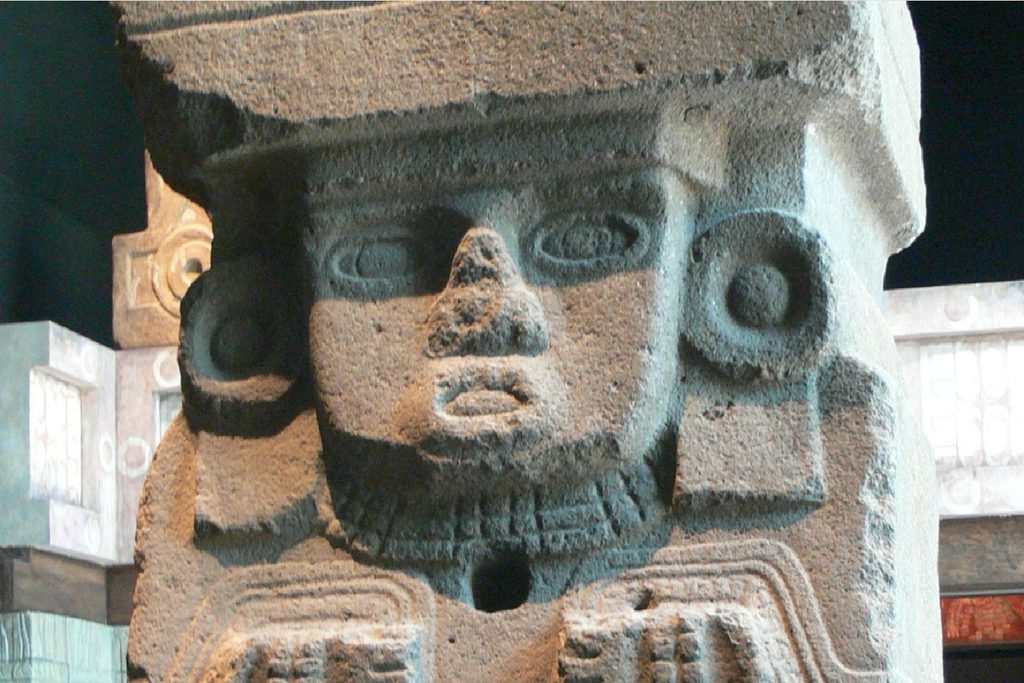
A groundbreaking study has unveiled a potential lost writing system at the ancient city of Teotihuacan, offering fresh insights into the lives of its inhabitants. The discovery was made by researchers Magnus Pharao Hansen and Christopher Helmke from the University of Copenhagen, who analyzed thousands of markings found across Teotihuacan's vibrant murals and pottery.
Their findings, published in Current Anthropology, suggest these markings may represent a form of early language, challenging previous assumptions about the city's culture and history. Teotihuacan, founded around 100 B.C., thrived with over 100,000 residents before its decline nearly 700 years later. Despite its massive size and influence, historians have struggled to understand the people who once lived there due to the scarcity of information about their language and writing system.
The researchers focused on logograms — symbols representing words or sounds — found in various Teotihuacan artifacts. Some of these symbols resemble visual shorthand, representing not only objects but also ideas or sounds. For instance, a coyote image might signify the word "coyote" or serve a phonetic purpose when combined with other symbols.
To decipher the writing system, Hansen and Helmke examined an early version of Nahuatl, a language spoken by the Aztecs and still used today in certain regions of Mexico. They believe the symbols likely represent an early form of this language family. However, the researchers caution that modern Nahuatl alone cannot fully explain the meaning of these symbols, much like modern English would not help in reading Old English manuscripts.
This connection also raises intriguing questions about the timeline of the Aztecs' presence in central Mexico. Previously, experts believed that Nahuatl-speaking peoples arrived in the region only after Teotihuacan's fall. The researchers' discovery suggests that the roots of the Nahuatl language may be far older, potentially linking the Aztecs to Teotihuacan's original population.
While the evidence supporting this theory is limited, as many symbols appear only once or in fragments, the researchers are optimistic that further discoveries will provide more clarity. They emphasize that repeated use of certain signs in similar ways would help validate their theory. The academic community has responded enthusiastically to the findings, with international scholars expressing interest in further collaboration.
Hansen and Helmke plan to organize workshops to invite other researchers to deepen their investigation and test their hypotheses. If additional evidence supports their claims, the discovery could revolutionize how historians understand Teotihuacan and its people. It would not only provide the long-lost inhabitants of the city with a voice through their writing system but also establish a stronger connection between Teotihuacan and the cultural heritage of modern Mexico.
Written by urgent.news from Colombia One's reporting — not their text. Machine-written — may contain errors; check the original before relying on it.