Pakistan suspends Iran trade corridors of Gabd-Rimdan, Taftan
GWADAR/QUETTA: Pakistan has suspended trade with Iran through the official Gabd-Rimdan (250) and Taftan border crossings, it emerged on Saturday. The Ministry of Commerce issued a memorandum on Friday, seen by Dawn , withdrawing its earlier order [No. 9(3)2017-Iran] dated Oct 3 with immediate effect. The directive did not specify a reason for the closure. Separately, the Quetta Chamber of…
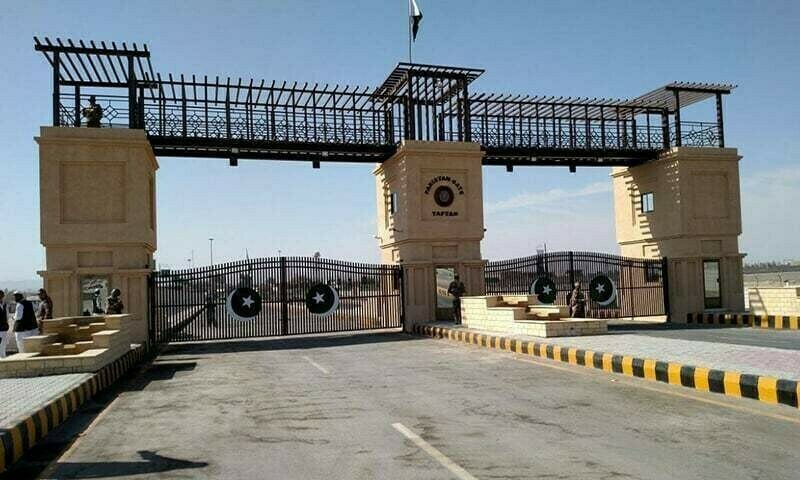
Pakistan has abruptly halted trade with Iran through two official border crossings, Gabd-Rimdan and Taftan, according to a memorandum issued by the Ministry of Commerce on Friday. The reason for the suspension remains undisclosed. The Quetta Chamber of Commerce and Industry (QCCI) has also urged its members to cease placing new import and export orders to Iran until further notice.
This decision has resulted in the obstruction of numerous freight vehicles, carrying LPG, rice, fresh fruit, and other essential goods, on either side of the border. Passenger traffic through the border crossing is still allowed. The Gabd-Rimdan crossing, which has been a significant conduit for Pakistan's energy requirements, with approximately 4,000 tonnes of LPG being imported daily, has been particularly affected.
Exports of Pakistani goods, notably rice, have also seen a notable increase, leading to foreign exchange gains. Trade and energy sector insiders have cautioned that the closure could exacerbate LPG shortages in Karachi and other regions, potentially leading to market price hikes. The Taftan route, already grappling with unrest in Balochistan, may see disruptions in supplies, potentially driving up LPG prices in the open market.
Local traders and the QCCI have warned that the suspension could result in significant losses for the national budget, jeopardize livelihoods, and instigate an energy crisis. Since March, Pakistan and Iran have been implementing measures to bolster border trade, such as simplifying customs procedures, designating Taftan as a customs station, and outlining new transit routes.
These efforts followed an Iranian delegation led by Trade and Industry Minister Mohammad Atabak's visit to Islamabad in early August. The delegation met with Prime Minister Shehbaz Sharif, resulting in the agreement to maintain border crossings open continuously, enhance logistics, and standardize customs procedures. This agreement followed reports of a complete cessation of trade between Pakistan and Iran through the Gabd-Rimdan border crossing in early August.
The Panjgur and Mand-Radig border crossings, which had minimal trade due to poor road infrastructure and incidents of arson and vehicle burnings, have also witnessed a decline in trade volume.
Written by urgent.news from Dawn Business's reporting — not their text. Machine-written — may contain errors; check the original before relying on it.
This story
This is one outlet's version. Read the fullest account.